Iran Says Strait of Hormuz Remains Open Amid Wartime Restrictions on “Aggressor” Vessels
Foreign Ministry defends maritime measures as lawful self-defense, blames U.S.-Israel war for regional instability
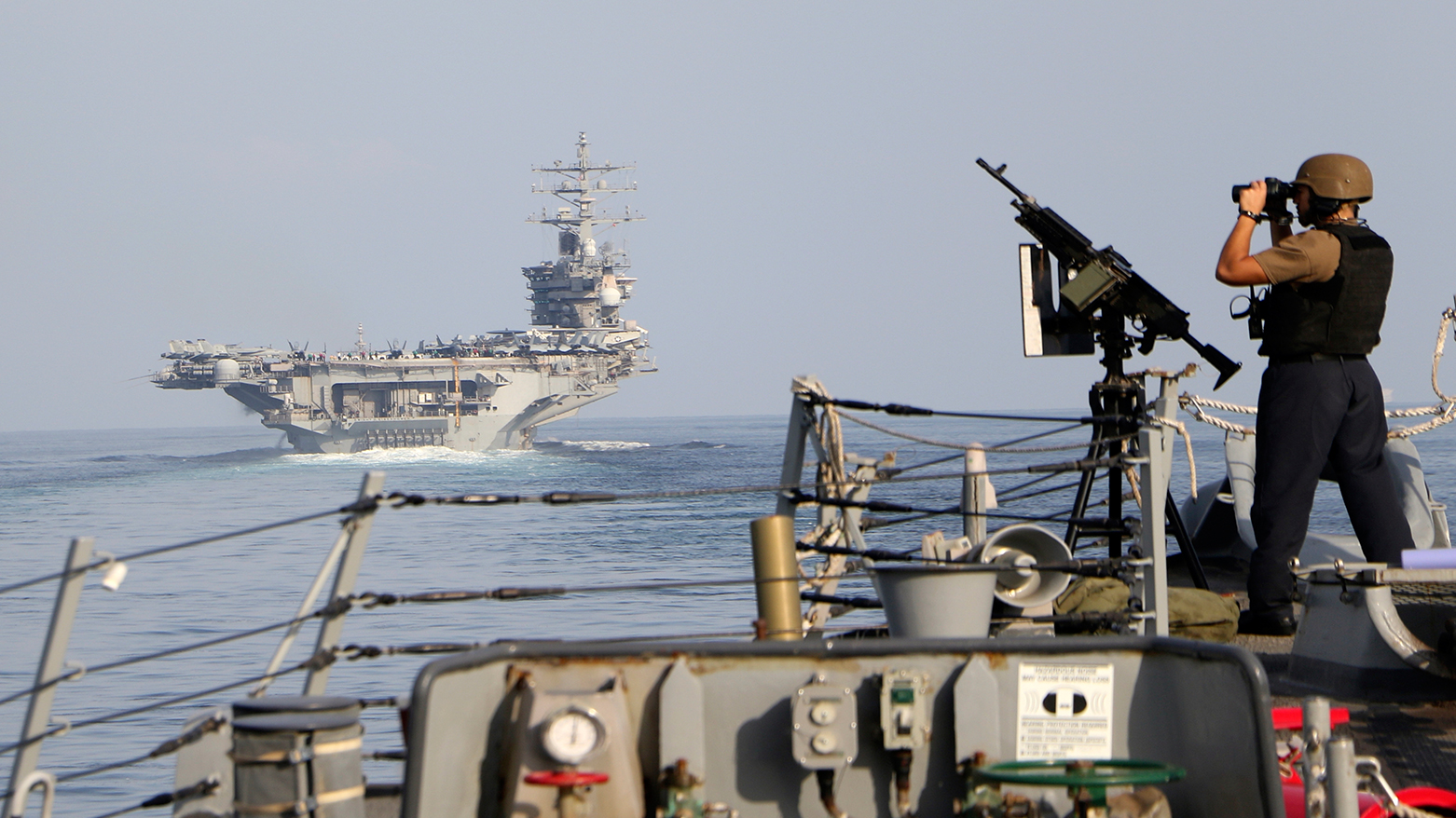
ERBIL (Kurdistan24) — Iran’s Foreign Ministry on Monday said the Strait of Hormuz remains open to international shipping despite wartime restrictions, stressing that navigation continues under tightened security measures as the conflict with the United States and Israel intensifies.
In a statement published on the ministry’s official account on X, Tehran reaffirmed its commitment to the principles of freedom of navigation and maritime safety under international law, while asserting its sovereign right to regulate passage through the critical chokepoint during ongoing hostilities.
“Iran, as a responsible state committed to the principles of the United Nations Charter and international law, has always respected freedom of navigation and maritime security,” the statement said, adding that such principles cannot be upheld in practice without respect for the sovereignty and sovereign rights of coastal states.
The ministry framed current maritime disruptions as a direct consequence of what it described as “American-Zionist military aggression” against Iran since February 28, calling the attacks a violation of the United Nations Charter, particularly provisions prohibiting the use of force.
As part of what it termed its inherent right to self-defense, Iran said it has taken “necessary measures” to prevent adversaries from exploiting the Strait of Hormuz to advance military objectives.
These measures include restricting the passage of vessels owned by or linked to the United States, Israel, and other parties involved in the conflict.
Tehran emphasized, however, that the waterway has not been closed and that maritime traffic continues, albeit under heightened scrutiny and wartime conditions. “Navigation in the Strait of Hormuz is ongoing, taking into account the necessary measures and considerations arising from the state of war,” the statement noted.
Iran further warned that vessels affiliated with what it called “aggressor parties” would not be granted the legal status of “innocent passage,” signaling that such ships could face direct action under the evolving legal framework of the conflict.
At the same time, the ministry indicated that vessels from non-hostile countries may continue to transit the strait safely, provided they do not assist in military operations against Iran and comply with Iranian security regulations in coordination with relevant authorities.
The statement placed full responsibility for rising instability and threats to maritime security on Washington and Tel Aviv, accusing them of initiating an “illegal and criminal war” that has jeopardized regional stability and international shipping routes.
The Strait of Hormuz remains one of the world’s most strategically vital maritime corridors, with roughly one-fifth of global oil supplies passing through it. Any disruption has immediate implications for global energy markets, which are already under strain amid escalating regional conflict and supply uncertainties.
Iran concluded by asserting that any future international arrangements concerning maritime security in the Gulf, the Strait of Hormuz, and the Sea of Oman must fully respect its rights and interests as a coastal state.
It added that restoring lasting stability to the waterway depends on ending military aggression and halting what it described as destabilizing actions by the United States and Israel.
Trump, under pressure from rising global fuel prices, posted on Truth Social early Sunday that the U.S. would “obliterate” Iranian power plants if Tehran did not lift its de facto blockade of the strait within 48 hours.