Qalibaf Rejects Reports of U.S. Talks, Says No Negotiations Conducted
Mohammad Bagher Qalibaf reiterated Monday that no negotiations with the U.S. have taken place, maintaining Tehran’s stance despite report from Axios that indirect contacts via mediators may lead to a potential meeting in Islamabad later this week.
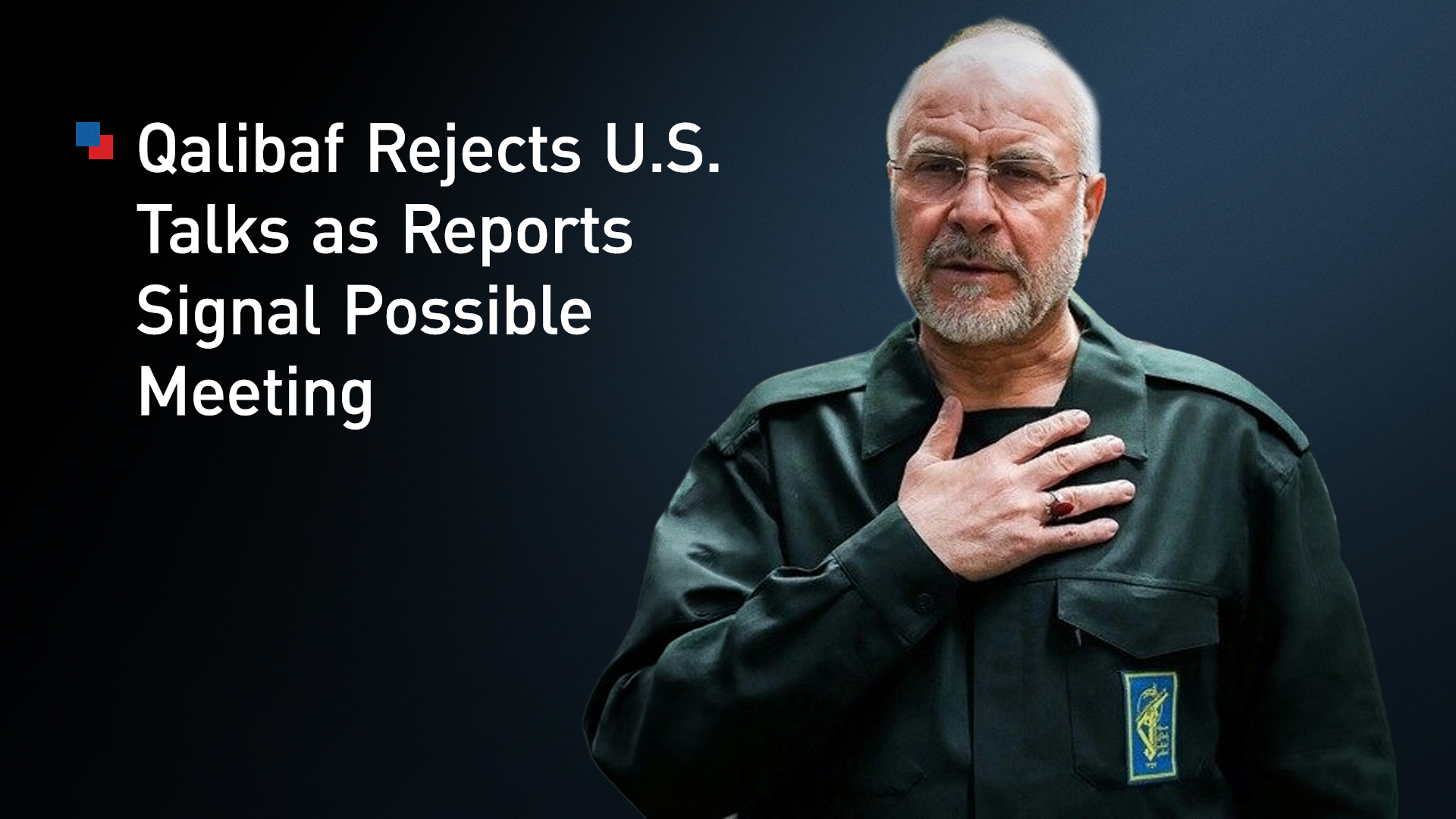
ERBIL (Kurdistan24) - Iranian Parliament Speaker Mohammad Bagher Qalibaf said Monday that no negotiations have been conducted with the United States, rejecting reports of contact with Washington and describing such claims as attempts to influence global markets, according to a statement published on his official account.
Qalibaf stated that “no type of negotiation has been conducted with the United States of America,” directly responding to recent remarks by U.S. President Donald Trump regarding ongoing discussions. He added that the dissemination of such reports constitutes “fake news” aimed at affecting oil prices and financial markets, as well as an effort to extricate the United States and Israel from what he described as a crisis resulting from the ongoing war.
The Iranian parliamentary speaker further emphasized domestic support for continued resistance, stating that the Iranian public expects the “full and exemplary punishment of the aggressors.” He added that Iranian officials remain aligned with the country’s leadership and would continue in that position until those objectives are achieved.
Qalibaf’s remarks follow earlier reporting by Axios, which cited an Israeli official as saying that U.S. envoys Steve Witkoff and Jared Kushner had been in contact with the Iranian parliament speaker through mediators. According to that report, efforts were underway to organize a potential meeting in Islamabad involving Iranian representatives and U.S. officials, possibly later this week.
Iranian officials have consistently denied that such contacts amount to formal negotiations. Earlier Monday, Foreign Ministry spokesperson Esmail Baqaei said Tehran had received messages from the United States through “several friendly and allied countries,” but stressed that these exchanges did not constitute dialogue. “We have not conducted any kind of dialogue or negotiation with the United States of America,” Baqaei said, according to a statement.
Baqaei also warned that any military action targeting Iran’s energy infrastructure would trigger a “decisive, immediate, and effective response” from Iranian armed forces. He reiterated that Iran’s positions regarding the Strait of Hormuz and conditions for ending the conflict remain unchanged.
The Iranian statements contrast with comments made by President Trump, who said discussions with an unidentified senior Iranian figure had begun on Sunday and continued into the evening. Speaking to reporters before boarding Air Force One, Trump described the interlocutor as “a top person” and said both sides were interested in reaching an agreement.
Trump indicated that a five-day pause in planned U.S. strikes against Iranian targets would depend on the outcome of these contacts. “We’re doing a five-day period. We’ll see how that goes,” he said, adding that further communication would likely take place by telephone due to logistical constraints.
Despite the U.S. characterization, Iranian officials have maintained that communications conveyed through intermediaries are procedural and do not represent negotiations. A senior Iranian security official, cited by Tasnim News Agency, said that “no negotiations with Trump are taking place,” and attributed the U.S. decision to delay military action to what he described as credible Iranian deterrence measures.
The official also pointed to economic factors, stating that pressures on financial markets and bond risks in the United States and Western economies contributed to Washington’s decision to postpone strikes. He added that disruptions affecting the Strait of Hormuz and global energy markets were expected to continue.
The exchange of statements comes during the fourth week of a broader conflict involving the United States, Israel, and Iran. According to officials cited in recent reports, U.S. military deployments in the region have included additional naval assets and personnel, while Iranian missile and drone operations have targeted locations in the Gulf and southern Israel.
U.S. officials have linked the temporary suspension of strikes on Iranian energy infrastructure to what Trump described as “constructive conversations,” while Iranian authorities have continued to frame the situation as one of indirect communication rather than negotiation.
The differing accounts underscore a continuing divergence between Washington and Tehran regarding the nature and status of their contacts, with each side maintaining its position on whether meaningful talks are underway.