Saudi Arabia Allows U.S. Use of King Fahd Air Base Amid Tensions, WSJ Reported
The Gulf states are implementing practical steps that could enable military action against Iran, while continuing to weigh the risks and limits of their involvement in coordination with U.S. forces.
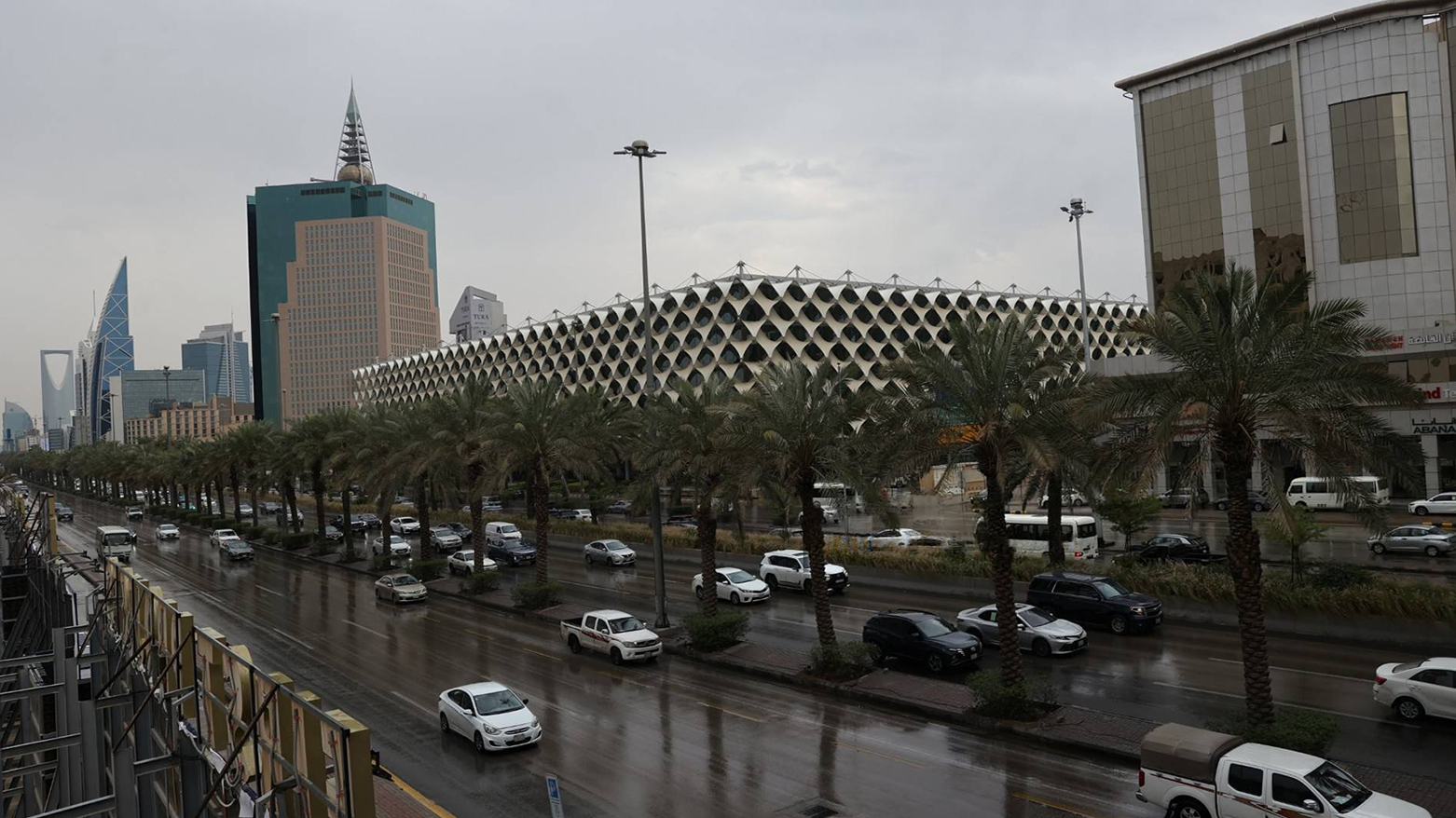
ERBIL (Kurdistan24) - Saudi Arabia and the United Arab Emirates are taking steps that edge them closer to participating in military operations against Iran, officials and regional reports said, following repeated Iranian attacks on Gulf infrastructure, The Wall Street Journal and AFP reported.
Saudi Arabia recently agreed to allow U.S. forces to use King Fahd air base on the western side of the Arabian Peninsula, sources familiar with the decision said.
Earlier, Riyadh had sought to maintain neutrality, barring the use of its facilities and airspace for strikes on Iran. The decision comes after a series of missile and drone attacks on Saudi energy facilities and the capital, Riyadh.
“Saudi Arabia’s patience with Iranian attacks is not unlimited,” Saudi Foreign Minister Faisal bin Farhan told reporters last week.
Crown Prince Mohammed bin Salman is reportedly preparing to commit more decisively to operations targeting Iran, according to people familiar with the matter, as cited in WSJ report.
The United Arab Emirates has moved to restrict Iranian-linked financial and institutional networks in its territory. Dubai authorities shut down the Iranian Hospital and Iranian Club, citing their misuse to advance agendas linked to the Islamic Revolutionary Guard Corps (IRGC), AFP reported.
The U.A.E. has also warned that it could freeze billions of dollars in Iranian holdings after coming under repeated attacks early in the conflict.
While Gulf officials have publicly insisted they will not deploy their militaries in attacks against Iran, videos verified by Storyful indicate that some missile launches targeting Iran originated from Bahrain. The U.S. military has declined to comment on whether Arab states are actively assisting in operations, leaving it to the countries involved to confirm participation.
The recent attacks by Iran included strikes on Qatar’s Ras Laffan energy hub, a Saudi Red Sea energy facility, and installations in Kuwait and the U.A.E.
These actions followed an Israeli strike on Iran’s South Pars gas field, permitted by the U.S., which had been informed in advance, American and Israeli officials said. Arab leaders have pressed Washington to neutralize Iran’s military capabilities before any potential cease-fire, according to Arab officials.
Officials noted that the Gulf states are facing increasing pressure to restore deterrence after repeated Iranian operations disrupted regional energy routes, including threats to charge tolls on the Strait of Hormuz.
The escalation has revealed the limits of Arab influence over U.S. decision-making despite longstanding security partnerships and significant investment in regional defense cooperation.
Observers say the situation has drawn Gulf monarchies deeper into the U.S.-Israeli offensive against Iran, even as they remain cautious about becoming open combatants.
Saudi and U.A.E. measures, including basing access and asset restrictions, aim to reinforce American operations while curbing Tehran’s financial and strategic leverage in the region.