Hezbollah Rejects Ceasefire Talks as Israel Expands Operations in Southern Lebanon
Israel continued expanding its operations in southern Lebanon as Hezbollah rejected ceasefire talks, with both sides reporting ongoing attacks and casualties.
ERBIL (Kurdistan24) - Hezbollah leader Naim Qassem said negotiations with Israel under ongoing military operations would amount to “surrender,” as the group continued attacks and Israel expanded its operations inside southern Lebanon, according to a report by Agence France-Presse (AFP).
Qassem’s remarks came as Israel intensified strikes and advanced ground operations in Lebanon, with Israeli Prime Minister Benjamin Netanyahu stating that forces had already established a “genuine security zone” and were now extending it further north, AFP reported. Netanyahu said Israel was “simply creating a larger buffer zone” aimed at preventing cross-border attacks.
According to AFP, Israeli forces have pushed into a strip of territory extending up to the Litani River, approximately 30 kilometers from the border. The military campaign has included continued airstrikes and artillery fire, alongside ground troop deployments targeting what Israel describes as militant infrastructure.
Hezbollah, for its part, said it carried out more than 80 attacks on Wednesday, the highest daily number reported during the current conflict, targeting Israeli forces in multiple border locations, AFP said. The group also said it launched missiles toward central Israel early Thursday, triggering air raid sirens, while Israeli media, cited by AFP, reported that six rockets were intercepted before impact.
The Israeli military said one soldier was severely wounded by rocket fire in southern Lebanon and another injured by mortar shelling. Earlier, an officer was reported lightly wounded during combat operations, according to military statements cited by AFP.
United Nations Secretary-General Antonio Guterres called on both sides to cease hostilities, warning Israel against replicating “the Gaza model” in southern Lebanon, AFP reported. His remarks reflected concerns raised by some officials over the potential for large-scale displacement and escalation.
Lebanon’s involvement in the broader regional conflict began after Hezbollah initiated rocket fire into Israel on March 2, which it said was in response to the killing of Iran’s supreme leader, Ayatollah Ali Khamenei, according to AFP. Since then, exchanges of fire have intensified along the border and beyond.
Efforts to pursue diplomatic engagement have so far stalled. Lebanon’s president has called for direct negotiations with Israel to end the fighting, but the proposal has not been accepted, AFP reported. Qassem reiterated Hezbollah’s position, stating, “When negotiations with the Israeli enemy are proposed under fire, this is an imposition of surrender.”
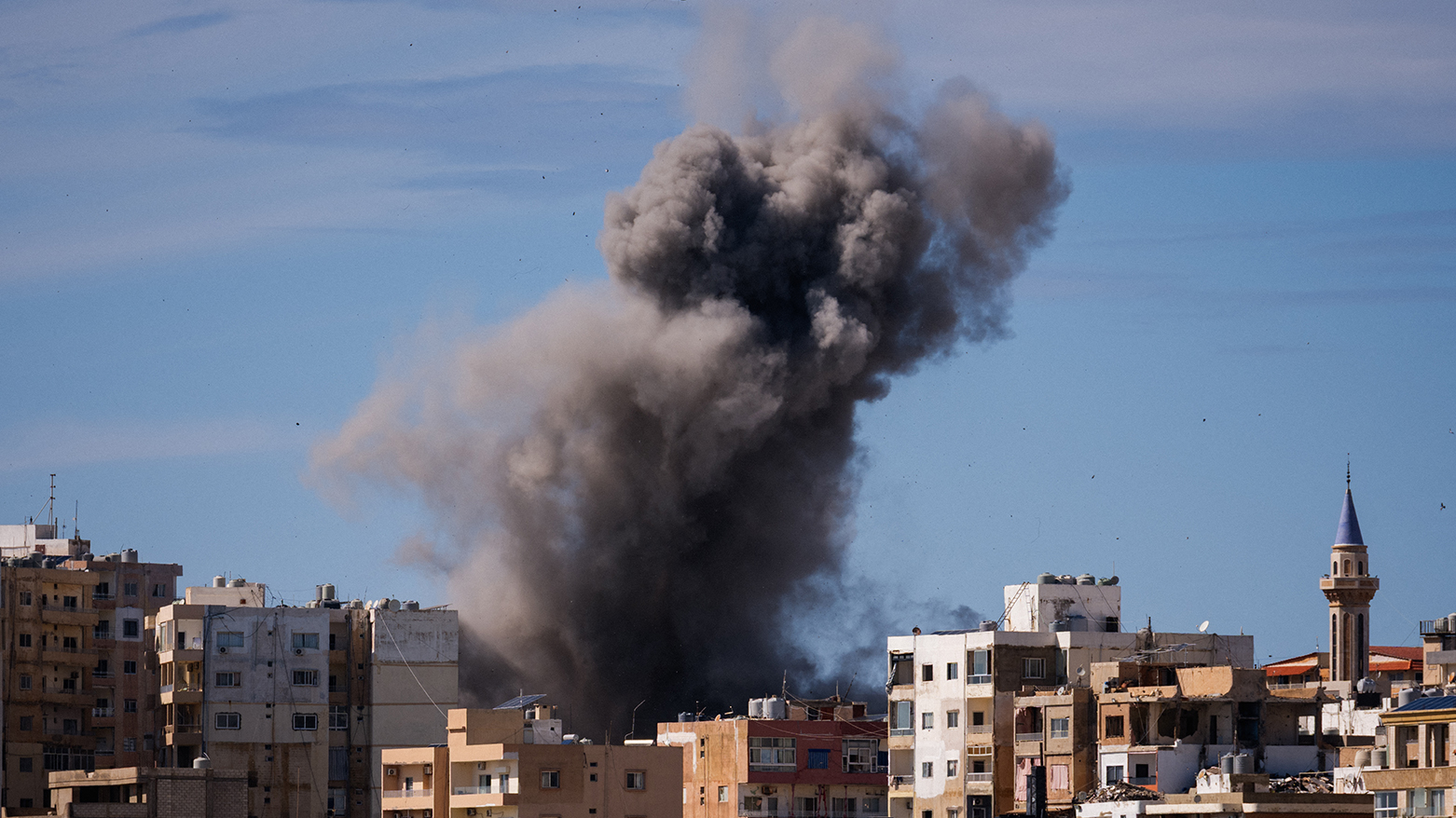
Meanwhile, Israeli strikes and shelling have continued across southern Lebanon and in areas including Beirut’s southern suburbs, which AFP described as a Hezbollah stronghold. Lebanon’s state-run National News Agency reported multiple strikes on Wednesday, while the health ministry said at least eight people were killed in southern areas.
An airstrike on Beirut’s southern suburbs targeted what Israel described as a “command centre,” following evacuation warnings, according to AFP. Observations cited by AFP indicated significant damage, including debris and structural impact to residential buildings, with many areas largely evacuated by residents.
In southern Lebanon, Israeli forces said they dismantled a weapons storage facility and carried out operations resulting in the deaths of several individuals described as militants, AFP reported. Hezbollah, meanwhile, said it targeted Israeli troop concentrations in border towns and launched more than 100 rockets across the border during the same period.
The conflict has had a significant humanitarian impact. According to Lebanese health authorities cited by AFP, more than 1,000 people have been killed in over three weeks of Israeli strikes, including 42 health workers. Lebanese officials also reported that more than one million people have been displaced.
The ongoing exchange of attacks and statements from both sides reflects continued escalation, with military operations and diplomatic efforts unfolding simultaneously, as reported by AFP.