Saudi Arabia’s Neutral Stance Could Shift to Retaliation if Houthis Hit Key Assets, Expert Warns
Saudi Arabia’s patience wanes as daily Iranian attacks strain trust, raising the prospect of retaliation and a potential new Red Sea front
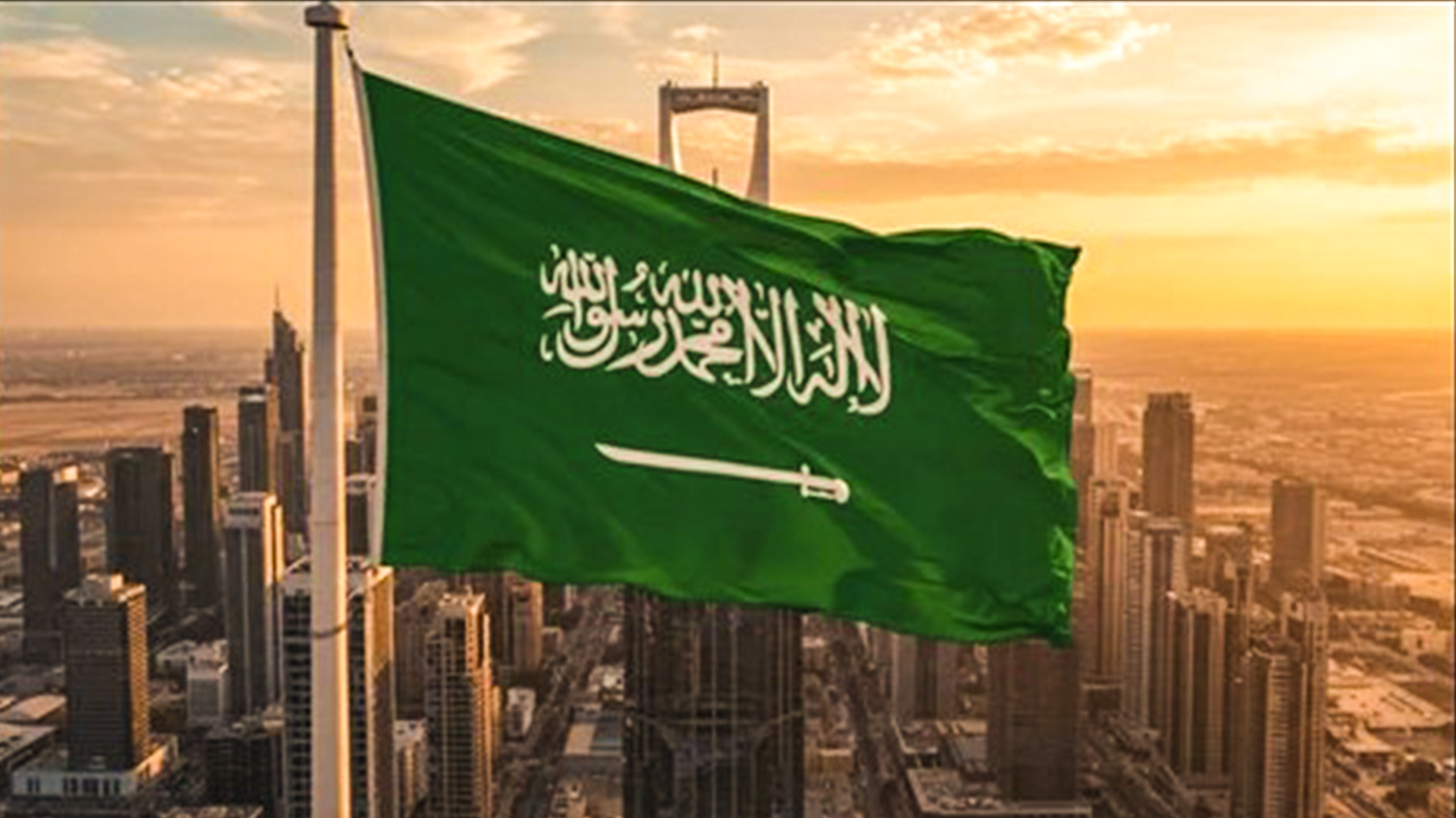
ERBIL (Kurdistan24) — For nearly a month, Saudi Arabia has endured waves of Iranian drone strikes and missile attacks targeting its cities and energy infrastructure, all while refraining from direct retaliation. But new Iranian threats against the Red Sea, Saudi Arabia’s last major maritime route for crude exports, could push Riyadh toward a more active military role.
Late Wednesday, as thousands of U.S. troops were en route to the Gulf, an Iranian official warned that Tehran could open a new front on the Red Sea if Washington pursued a ground invasion of Iranian territory.
“The Bab al-Mandeb Strait is among the most strategic straits in the world, and Iran has both the will and the capability to pose a fully credible threat against it,” the official told the Tasnim news agency.
Since the outbreak of the war, Saudi Arabia has been pumping millions of barrels of crude per day through its massive Gulf-to-Red Sea pipeline, known as the Petroline. This route has allowed the kingdom to bypass the now-closed Strait of Hormuz, through which roughly 20 percent of global crude and liquefied natural gas passed before the conflict.
A new Red Sea front, however, could jeopardize this lifeline and potentially involve Iran-backed Houthi rebels in Yemen.
Houthi forces have previously disrupted maritime traffic in the Red Sea following the 2023 Hamas-Israel conflict, using missiles and drones to threaten shipping. Analysts warn that a repeat of such tactics could provoke an immediate Saudi counterstrike.
“I believe that Saudi Arabia still maintains cautious neutrality in the Iran-Israel-U.S. war,” said Saudi defense expert Hesham Alghannam. “If the Houthis strike Saudi assets, Riyadh may shift toward defensive coalition support or limited retaliation.”
The ongoing conflict has undermined years of Riyadh’s diplomatic efforts to stabilize the Gulf and pursue détente with Iran. In 2023, the two countries re-established diplomatic ties under a Chinese-brokered agreement, reopening embassies, resuming official visits, and easing hostile rhetoric.
The rapid turnaround followed years of animosity, including Saudi Crown Prince Mohammed bin Salman’s earlier characterization of Iran’s late supreme leader Ali Khamenei as “Hitler” and the kingdom’s proxy war against the Houthis.
Despite a 2022 truce in Yemen and ongoing efforts to diversify its economy and attract international investment, Saudi Arabia has found itself increasingly affected by the war.
The U.S.-Israel attack on Iran on February 28 triggered a major Iranian campaign, targeting Gulf cities, ports, oil fields, natural gas plants, and Saudi Aramco’s massive Ras Tanura refinery.
While Saudi Arabia’s large geographic size has allowed it to absorb many of these strikes, smaller neighbors in the Gulf have suffered more directly.
Multiple media reports have suggested that the crown prince privately encouraged U.S. actions against Iran, though Riyadh officially denies any such claims.
“The Kingdom of Saudi Arabia has always supported a peaceful resolution to this conflict, even before it began,” a senior Saudi official told AFP. “We remain in close contact with the Trump administration, and our commitment remains unchanged.”
Nevertheless, patience is wearing thin. Daily attacks against Saudi territory have strained trust with Iran, prompting repeated warnings from Riyadh.
“We have reserved the right to take military actions if deemed necessary,” Saudi Foreign Minister Prince Faisal bin Farhan told reporters after last week’s Iranian missile strikes on Riyadh. “And if the time comes, the leadership of the kingdom will take the necessary decision.”
With the Red Sea looming as a potential new front, analysts say Saudi Arabia may soon face a turning point: maintain its cautious neutrality, or take an active role to protect its economic lifelines and national security.