Iraq on the Edge of a Cabinet Vote — But Key Ministries Remain Contested
Iraq's Shiite Coordination Framework and Sunni blocs race to finalize ministerial candidates ahead of a parliamentary vote that could define the country's next government
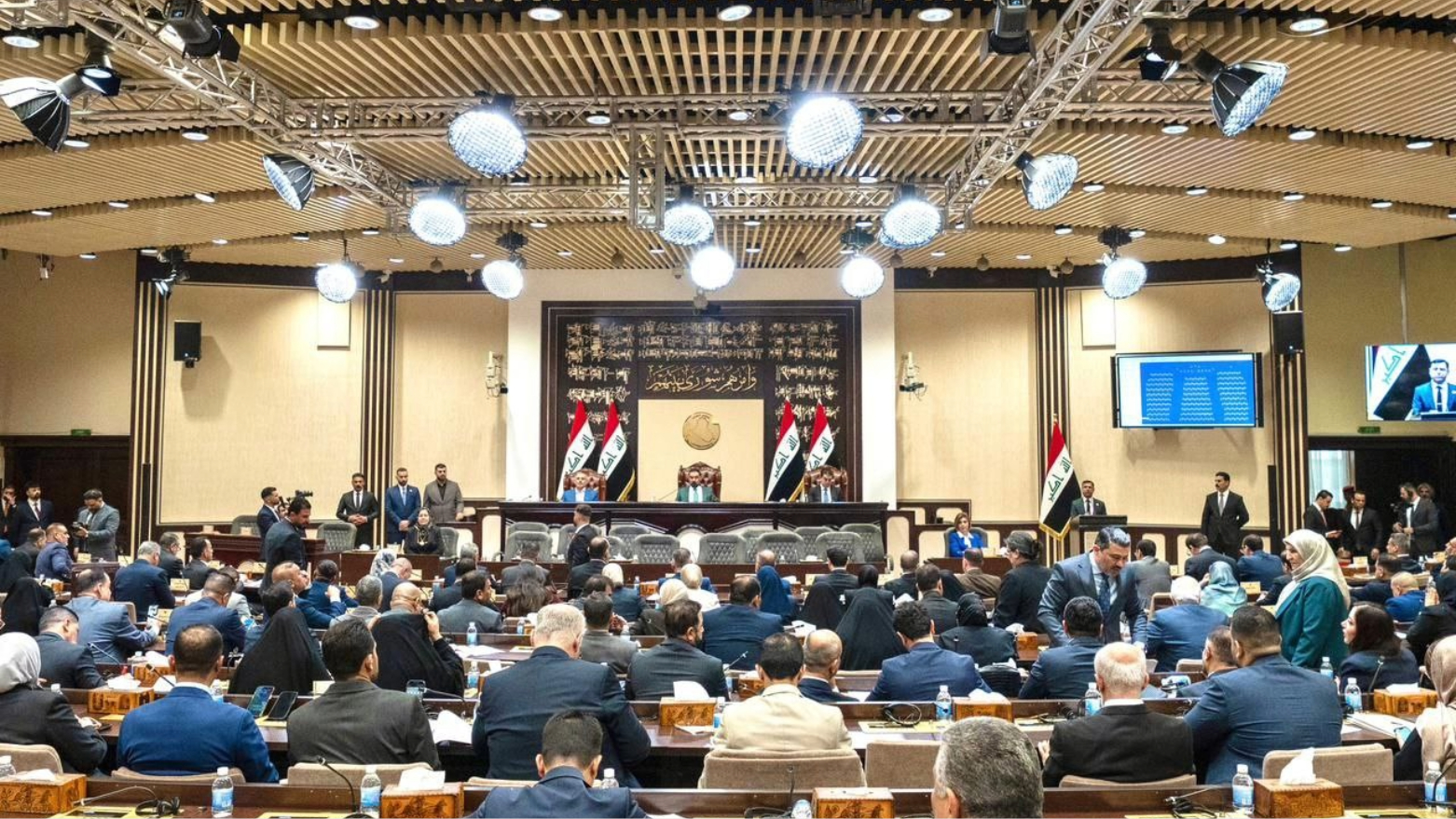
ERBIL (Kurdistan24) - Baghdad held its breath on Sunday as Iraq's political factions scrambled to finalize their ministerial rosters, with a parliamentary cabinet vote potentially days away — and significant disagreements still standing in the way.
Abu Turab al-Tamimi, a member of the Iraqi parliament from the Badr bloc within the Coordination Framework, told Kurdistan24 that the Shiite alliance has yet to resolve the majority of its ministerial portfolio — specifically the ministries of oil, interior, finance, social affairs, and higher education — and that candidates for those posts remain undecided.
Al-Tamimi acknowledged that other factions within the Coordination Framework have settled on names for their ministerial positions, though those names have not been publicly disclosed. The unresolved portfolios, he said, are among the most politically sensitive and economically significant in the new cabinet.
The deadlock has had direct consequences: Iraq's parliament, despite having completed all technical preparations for a confidence vote, has been unable to formally announce a Tuesday session.
Observers now believe the key to government formation lies squarely with the Coordination Framework — and that failure to reach agreement on the contested ministries in the coming hours could push the vote into an indefinite delay, at a time when the country faces acute security and economic pressures.
Sunni bloc reaches final agreement
In contrast to the Shiite alliance's internal impasse, Iraq's Sunni factions have moved decisively toward closure.
According to Sheikh Faisal al-Issawi, an Iraqi member of parliament, the Sunni community has finalized the distribution of its six ministerial portfolios and the position of deputy speaker of parliament, with the breakdown as follows:
-The Azm Alliance will receive the ministries of planning and culture.
-The Siyada Alliance will take the commerce ministry.
-The Taqaddum Party will hold the position of deputy speaker of parliament, along with the ministry of industry and either defense or education.
-The Hazm Alliance will receive whichever of defense or education Taqaddum does not take, under a bilateral agreement between the two.
-Al-Issawi also confirmed that the Shiite blocs have staked a claim to the education ministry, and in exchange, the Sunni component would receive the higher education portfolio.
The sole remaining point of internal friction among Sunnis is the Azm Alliance's demand for the position of deputy prime minister — a claim that other Sunni factions have yet to accept.
Mustafa al-Samarrai, a member of the Siyada Alliance, told Kurdistan24 that the Sunni Political Council would convene within hours for a final session to formally endorse candidate names.
Under the agreed framework, each faction will submit three nominees per ministry to designated Prime Minister Ali Zeydi, who will then select one candidate per post based on qualifications and merit.
A system built on sectarian arithmetic
Iraq's government formation process has operated on the basis of ethno-sectarian power-sharing since 2003, with cabinet portfolios distributed among Shiite, Sunni, and Kurdish components.
Sunni factions typically receive between six and seven ministries, but fierce internal competition over high-value portfolios — particularly defense — and service-oriented ones such as education and planning is a recurring feature of each cabinet formation cycle.
The Siyada and Azm alliances are the two dominant forces within Iraq's Sunni political arena and have played a decisive role in shaping the Sunni ministerial share across successive federal governments.
The Kurdistan Democratic Party (KDP) bloc's return to parliament in Baghdad earlier this month added another dimension to the formation dynamics.
The KDP announced its return following what it described as a "positive understanding" among political parties, particularly after the designated prime minister's visit to the Kurdistan Region alongside a high-level coordination delegation.
The bloc said its participation was aimed at ensuring closer parliamentary oversight of agreements relating to constitutional, financial, and legal rights.
With parliament standing by and all procedural groundwork in place, Iraq's political factions now face mounting pressure to resolve their remaining differences — or risk pushing the cabinet vote beyond Tuesday's anticipated window into an uncertain and potentially destabilizing delay.