Iran's Parliament Speaker Declares 'Historic Victory' Ahead, Rejects Cycle of War and Ceasefire
Iran’s parliament speaker says Tehran will not accept continued cycles of war and ceasefire, as the US pauses strikes for ten days and negotiations continue amid rising tensions.
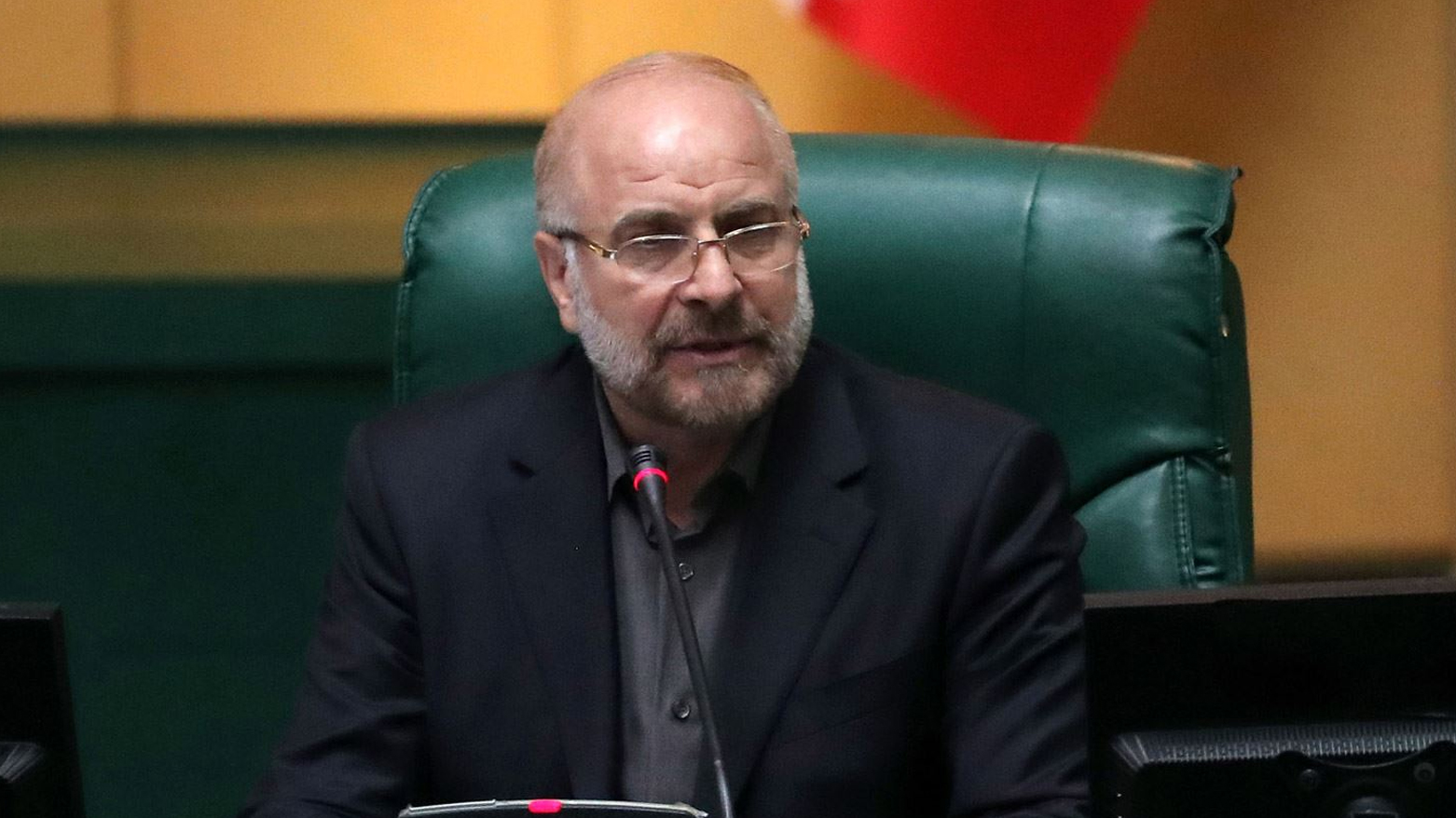
ERBIL (Kurdistan24) - Iran signaled defiance at a critical moment in the regional conflict, as Mohammad Bagher Ghalibaf, Iran’s parliament speaker, declared that Tehran will not allow the cycle of war and temporary ceasefires to continue, framing the current phase as a decisive turning point.
In a message published on X, Ghalibaf said Iran stands on the verge of a “historic victory” and will no longer accept any conditions imposed by external actors. He emphasized that sustained public mobilization over the past 25 nights, alongside the sacrifices of armed forces, has created favorable conditions for achieving a major outcome.
He stated that Iran’s armed forces remain committed to seizing what he described as a historic opportunity, stressing that the primary objective at this stage is to secure a final victory and bring an end to what he called the entrenched cycle of “war, ceasefire, war,” in pursuit of lasting stability.
The remarks come as regional tensions have reached heightened levels, with Iran seeking through such messaging to demonstrate its strength and position in the face of external pressure.
The developments coincide with a shift in US policy, as Donald Trump announced a temporary halt to planned strikes on Iranian power plants, signaling ongoing diplomatic engagement alongside continued military pressure.
On Thursday, Trump said he would delay previously threatened strikes for ten days, until April 6, 2026, at 8 P.M. Eastern Time, following what he described as a request from Iran. He wrote on his Truth Social platform: “As per Iranian Government request… I am pausing the period of Energy Plant destruction by 10 Days… Talks are ongoing… and they are going very well.”
The decision followed earlier warnings, including a 48-hour deadline for Iran to reopen the Strait of Hormuz or face attacks, later extended by five days as negotiations progressed.
During a Cabinet meeting at the White House on March 26, 2026, Trump urged Iran to reach an agreement to end ongoing US and Israeli airstrikes, warning of further escalation if no deal is achieved. “We’ll see if they want to do it. If they don’t, we’re their worst nightmare,” he said, adding: “In the meantime, we’ll just keep blowing them away.”
Trump also described Iranian negotiators as “great negotiators” and said his administration is pursuing a deal that would reopen the Strait of Hormuz and curb Iran’s military capabilities, while acknowledging uncertainty over the outcome.
A senior Iranian official, however, described the US proposal as “one-sided and unfair,” though diplomatic contacts remain ongoing.
As diplomacy and confrontation unfold simultaneously, Iran’s leadership signals readiness for a decisive phase, while negotiations continue under the shadow of potential renewed military escalation.