One-Third of Iran Missiles Destroyed, Another Third Uncertain, Sources Say
U.S. officials say they can confirm only about one-third of Iran’s missile arsenal has been destroyed, with uncertainty surrounding the status of a significant remaining portion.
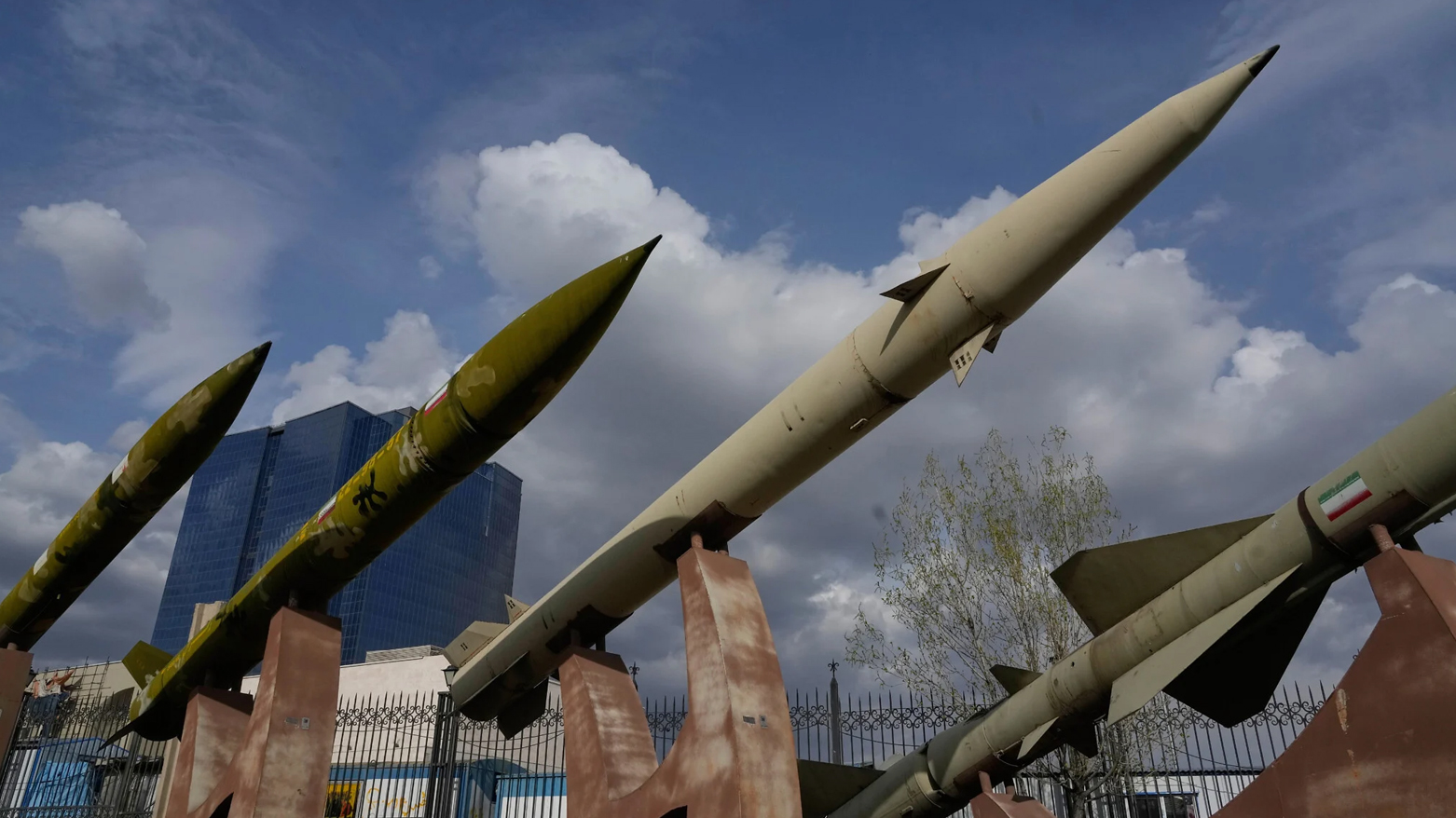
ERBIL (Kurdistan24) - U.S. can only confirm about a third of Iran's missile arsenal destroyed, sources say, according to a Reuters report published Friday, citing five individuals familiar with U.S. intelligence assessments, as the United States and Israel continue military operations against Iran nearing one month in duration.
The assessment indicates that while approximately one-third of Iran’s missile stockpile has been definitively destroyed, the status of another third remains uncertain, with U.S. officials believing those weapons may have been damaged, destroyed, or buried in underground facilities following sustained bombardment, Reuters reported, citing four sources.
The remaining portion is believed to still be operational or recoverable, underscoring the persistence of Iran’s missile capabilities despite ongoing strikes.
The findings, which have not previously been publicly disclosed, contrast with recent remarks by U.S. President Donald Trump, who said Iran had “very few rockets left,” according to Reuters.
Trump also acknowledged the continued risk posed by even a limited number of remaining missiles, noting that a small percentage could still threaten high-value targets, including commercial shipping.
According to Reuters reporting, U.S. intelligence officials have faced challenges in determining the precise size and condition of Iran’s pre-war missile inventory, particularly due to the extensive use of underground tunnels and fortified bunkers.
One senior U.S. official cited by Reuters expressed skepticism about the ability to arrive at a definitive count, stating uncertainty over how many missiles remain accessible within such facilities.
The Reuters report further noted that similar assessments apply to Iran’s drone capabilities, with one source indicating that approximately one-third of drone assets have been confirmed destroyed. U.S. Central Command has declined to provide precise figures but has stated that operations targeting Iranian military infrastructure remain on schedule.
A Pentagon official, cited by Reuters, said that Iranian missile and drone attacks have declined by roughly 90 percent since the start of the conflict.
The official added that U.S. forces have damaged or destroyed more than 66 percent of Iran’s missile, drone, and naval production facilities, as part of a broader effort to degrade Tehran’s military capabilities.
Despite these reported reductions, Iran has continued to launch attacks across the region. Reuters reported that Iran fired 15 ballistic missiles and 11 drones at the United Arab Emirates on Thursday alone, demonstrating that it retains the capacity to conduct coordinated strikes.
Iranian forces have also introduced longer-range missile capabilities, including strikes targeting the Diego Garcia military base in the Indian Ocean, according to the report.
Israeli officials have similarly acknowledged that while significant progress has been made in targeting Iranian launch systems, a portion of Iran’s capabilities remains intact.
A senior Israeli military official, cited by Reuters, said more than 335 missile launchers have been neutralized, representing approximately 70 percent of Iran’s launch capacity. However, Israeli authorities have not publicly disclosed estimates of remaining missile stockpiles.
The complexity of assessing Iran’s capabilities has been compounded by its extensive network of underground installations. War Secretary Pete Hegseth, in remarks cited by Reuters, highlighted the challenge posed by such infrastructure, stating that Iran has invested heavily in tunnel systems to protect its military assets.
“Iran is a vast country,” Hegseth said, according to Reuters. “They've poured any aid, any economic development, humanitarian aid, into tunnels and rockets.”
The ongoing military campaign, referred to by U.S. Central Command as “Operation Epic Fury,” has targeted more than 10,000 sites across Iran, Reuters reported.
U.S. forces have also reportedly sunk 92 percent of Iran’s large naval vessels and conducted strikes against weapons production facilities, reflecting a strategy focused not only on existing stockpiles but also on limiting Iran’s capacity to replenish its arsenal.
In parallel, Reuters reported that the United States has deployed uncrewed surface vessels, known as Global Autonomous Reconnaissance Craft, for maritime patrol operations in the region. A Pentagon spokesperson said these systems have logged more than 450 operational hours and over 2,200 nautical miles in support of ongoing missions.
Diplomatic developments have unfolded alongside military operations.
Reuters reported that President Trump has extended a deadline for Iran to reopen the Strait of Hormuz, a key global energy corridor, while stating that talks with Tehran are “going very well,” though no detailed evidence of progress has been publicly presented.
At the same time, Germany’s Foreign Minister Johann Wadephul said indirect contacts between the United States and Iran have occurred, with preparations underway for potential direct talks in Pakistan, according to statements cited in international reporting.
He emphasized that Germany is not participating in military operations but remains engaged in diplomatic coordination with allies.
According to Reuters, Gulf Arab states have conveyed to Washington that any future agreement with Iran must go beyond a ceasefire and include enforceable constraints on missile and drone capabilities, as well as guarantees regarding the security of maritime routes.
Officials from the region have expressed concern that unresolved military capabilities could allow Iran to continue exerting pressure on global energy markets.
The broader conflict has also expanded into cyber operations.
Reuters reported that an Iran-linked hacker group claimed responsibility for breaching the personal email account of FBI Director Kash Patel, publishing selected materials online. A U.S. Justice Department official confirmed the breach, stating that the released content appeared authentic.
Cybersecurity experts cited by Reuters said such actions are consistent with efforts to apply pressure through non-conventional means, particularly as the conflict continues. One expert described the operations as part of a broader strategy to expose vulnerabilities and influence public perception.
Despite sustained military pressure, analysts cited by Reuters suggest that Iran has retained a portion of its missile capabilities, with some estimates placing remaining capacity at around 30 percent. The continued use of missile systems, even after extensive strikes, has been cited as evidence of Iran’s ability to maintain operational resilience.
The situation remains fluid, with military operations, diplomatic efforts, and economic impacts unfolding simultaneously. Global markets have responded to disruptions in energy supplies, with oil prices rising significantly since the start of the conflict, according to Reuters.
As the conflict approaches its one-month mark, U.S. intelligence assessments indicate that while significant portions of Iran’s missile arsenal have been degraded, a substantial inventory remains, highlighting the ongoing challenges in fully neutralizing the country’s military capabilities.