Israel Strikes Tehran as Trump Prepares Address on War’s Possible Endgame
According to Israeli military figures, approximately 7,000 targets have been struck since the war began, and more than 2,000 Iranian personnel, including senior commanders, have been killed
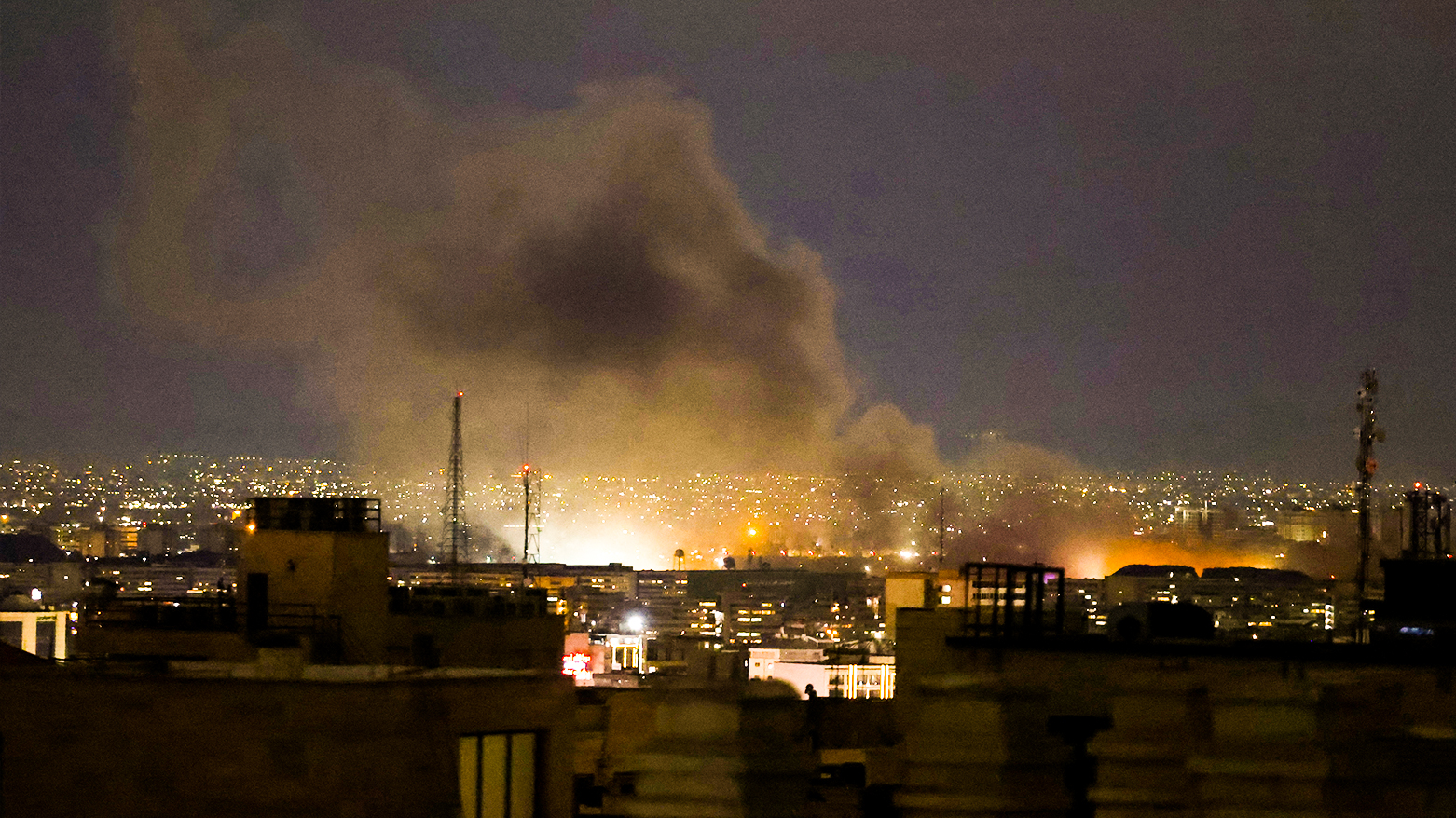
ERBIL (Kurdistan24) — Israel launched a wide-scale wave of airstrikes on Tehran early Wednesday, intensifying its month-long war with Iran just hours before Donald Trump is set to deliver a major address outlining the conflict’s trajectory.
Iranian state television reported explosions across multiple districts of the capital, including the north, east, and central areas, describing the incidents as coordinated attacks.
The Israeli military confirmed it carried out extensive strikes, while also intercepting a new round of Iranian missile fire—the first such barrage in nearly 20 hours.
The escalation comes amid mounting uncertainty over diplomatic efforts to end the war, which began on February 28 with joint strikes by the United States and Israel targeting Iranian military and nuclear-linked infrastructure. Since then, the conflict has rapidly expanded across the region, raising fears of a prolonged confrontation with global economic consequences.
Trump, whose rhetoric has fluctuated between escalation and de-escalation, said earlier this week that the war could end “in two weeks, maybe three,” while insisting that Washington and its allies were “finishing the job.”
The White House confirmed he would address the American public later Wednesday with what it described as an “important update on Iran.”
On the Iranian side, President Masoud Pezeshkian signaled conditional openness to ending hostilities, stating that Tehran possesses the “necessary will” to conclude the war—provided guarantees are in place to prevent future flare-ups.
However, tensions remain high. Iran’s Islamic Revolutionary Guard Corps issued a stark warning to major US technology firms, threatening retaliation if further Iranian leaders are killed in what it described as targeted assassinations. The Guards named companies, including Intel, Tesla, and Palantir Technologies, accusing them of complicity in past operations.
Meanwhile, Israeli Prime Minister Benjamin Netanyahu vowed to continue the military campaign, declaring it had already “changed the face of the Middle East” and neutralized key Iranian threats.
“We will continue to crush the terror regime,” he said in a televised statement ahead of the Passover.
The conflict has also widened geographically. Israel reported intercepting a missile launched from Yemen, where the Houthis have joined the war, targeting Israeli territory and threatening commercial shipping routes in the Red Sea. Their involvement risks further disruption to already strained global trade corridors.
According to Israeli military figures, approximately 7,000 targets have been struck since the war began, including 4,000 described as “terrorist targets” inside Iran. The military also claimed more than 2,000 Iranian personnel, including senior commanders, have been killed—figures that could not be independently verified.
Iran, for its part, has continued retaliatory attacks against Gulf states it accuses of facilitating US operations, while reiterating threats to strike critical energy infrastructure across the region.
The strategic Strait of Hormuz remains a focal point, with Tehran’s actions already disrupting maritime traffic and raising alarm in global energy markets.
In Washington, Defense Secretary Pete Hegseth said the coming days would be “decisive,” asserting that Iran had limited military options left. US Central Command released footage it said showed precision strikes on underground targets deep inside Iran, underscoring the scale of ongoing operations.
Despite the military escalation, backchannel communications appear to persist. Iranian Foreign Minister Abbas Araghchi said he continues to receive messages from US envoy Steve Witkoff, though he stressed that such exchanges do not constitute formal negotiations.
The economic impact of the conflict is becoming increasingly pronounced. Oil prices have surged amid concerns over the potential closure of the Strait of Hormuz, though Asian markets showed signs of resilience following Trump’s remarks suggesting a possible end to hostilities.
Japan’s Nikkei 225 rose more than three percent, while South Korea’s KOSPI gained nearly five percent.
Trump also drew criticism from allies after suggesting countries reliant on Gulf shipping routes—including France and China—would need to “fend for themselves” in securing maritime passage during the conflict.
As the war enters its second month, the combination of intensifying strikes, expanding regional involvement, and fragile diplomatic signals continues to heighten uncertainty, with global markets and security dynamics hanging in the balance.