Iranian Missiles Target Kuwait and Bahrain in Severe Escalation of Gulf Conflict
Iran launched a fresh barrage of missiles at Bahrain and Kuwait, marking the second attack on the Gulf states in three days despite a nominal ceasefire.
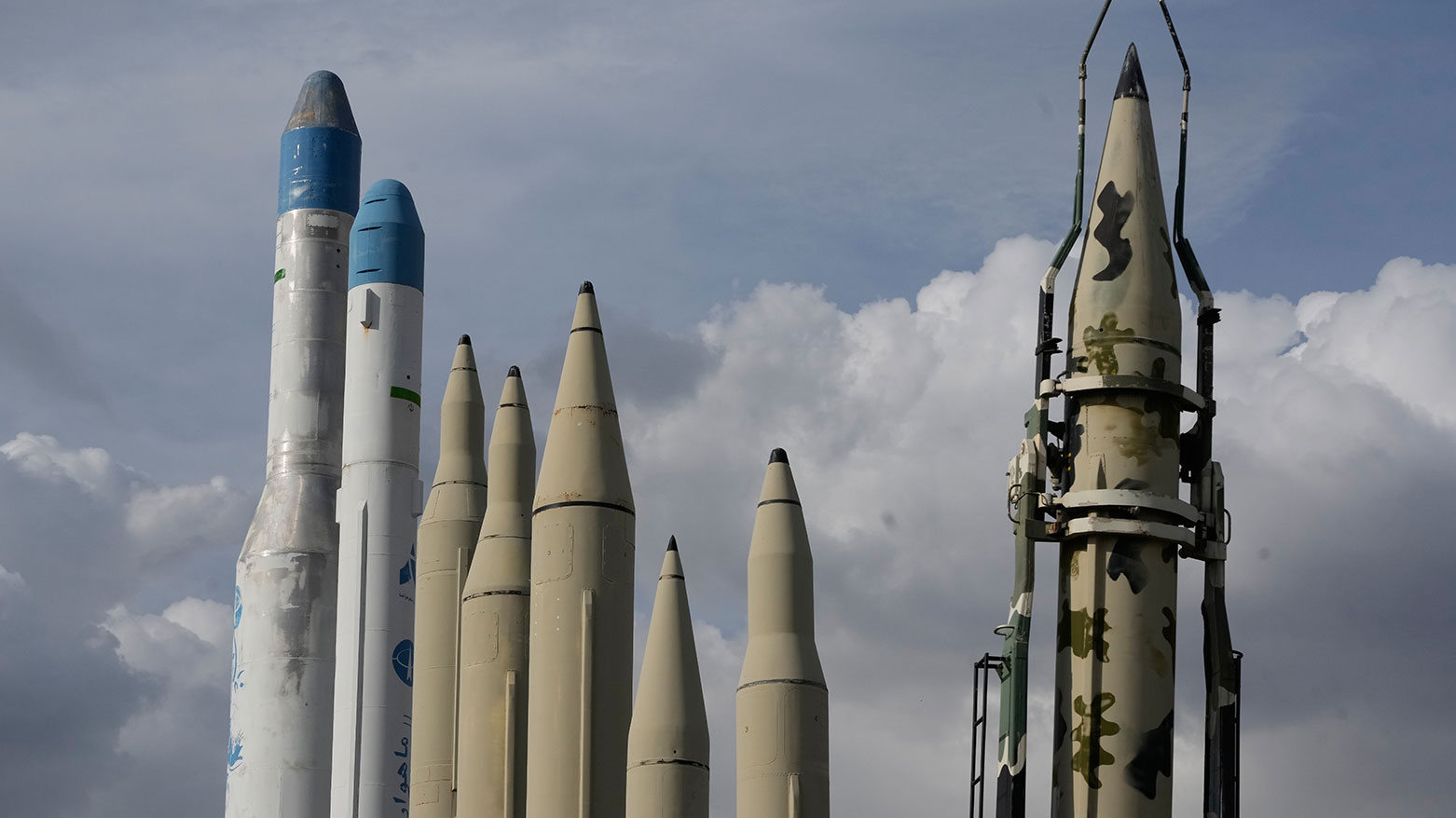
ERBIL (Kurdistan24) - The Persian Gulf states of Bahrain and Kuwait were targeted by a fresh barrage of Iranian missiles early Saturday, shattering the relative security of nations that have long viewed themselves as insulated from direct warfare. The strikes, which triggered air raid sirens and rattled civilian populations, mark a severe escalation in the conflict between Tehran and Washington, bringing the war directly to the doorsteps of America's most vital regional allies.
According to a report by Agence France-Presse (AFP), the missile salvo was launched just hours after the United States military announced it had struck radar installations inside the Islamic Republic.
The attack marks the second time in three days that Bahrain and Kuwait have faced direct Iranian fire, despite a nominal ceasefire that has been in place since April 8.
The government in Manama responded with immediate diplomatic fury. Bahrain, a tiny island kingdom that serves as the strategic headquarters for the U.S. Navy's Fifth Fleet, confirmed that air defense systems intercepted seven missiles fired by Iran.
The Bahraini foreign ministry denounced the strikes as "blatant aggression" and "a flagrant violation of the sovereignty of both countries," according to AFP.
Read More: Bahrain Condemns Iranian Missile Barrage as 'Blatant Aggression' Amid Widening Gulf Crisis
The physical reality of the conflict was unavoidable for residents. An AFP journalist in the Bahraini capital reported hearing three distinct explosions as air raid sirens echoed across the country.
In Kuwait, a separate AFP correspondent reported hearing repeated blasts near the international airport, a facility that had already been struck on Wednesday in a deadly attack blamed on Iran that killed one person.
"We woke up to a huge explosion. The explosions were very loud," Reem, an Egyptian expatriate and mother of two living in Kuwait, told AFP. "My children were terrified, and I couldn't calm them down."
Following the explosions, Kuwait's aviation authority temporarily closed its airspace, diverting 11 commercial flights operated by Kuwait Airways and Jazeera Airways before operations were eventually resumed.
Targeting the American Military Footprint
The significance of the Saturday strikes extends far beyond the immediate disruption to civilian life.
According to the Iranian government, the missiles were not aimed indiscriminately at the Gulf states, but rather specifically at the massive American military apparatus hosted within their borders.
In a statement carried by the semi-official and IRGC-affiliated Tasnim News Agency, the Public Relations office of Iran's Islamic Revolutionary Guard Corps (IRGC) claimed responsibility for the assault.
The IRGC asserted that its Aerospace Force launched ballistic missiles at two specific targets: the U.S. military's Ali Al Salem Air Base in Kuwait, and the remaining critical assets of the U.S. Navy's Fifth Fleet in Bahrain.
The IRGC characterized the missile launches as direct retaliation against what it termed the "aggressor" and "child-killing" U.S. military, claiming the strikes were a response to U.S. drone attacks on Iranian communications towers in Qeshm and Sirik earlier that morning.
According to the IRGC's narrative, the initial U.S. strikes were themselves retaliation for Iranian naval forces halting an oil tanker that was allegedly attempting to navigate the Strait of Hormuz "illegally" under American direction.
The Iranian claims regarding the targets fundamentally alter the diplomatic calculus of the incident.
By explicitly stating its intent to strike U.S. military infrastructure located inside sovereign Arab nations, Tehran is directly challenging the security guarantees that Washington provides to its Gulf partners.
Interceptions and Diplomatic Fallout
Despite the IRGC's assertions, U.S. Central Command (CENTCOM) reported that the Iranian barrage was largely neutralized.
According to AFP, CENTCOM confirmed that six of the missiles fired toward Kuwait and Bahrain were successfully intercepted by air defense systems, while the seventh failed to reach its intended target.
As noted in a separate Kurdistan24 analysis of the incident, CENTCOM explicitly rejected Iranian claims that the headquarters of the U.S. Fifth Fleet in Bahrain had sustained damage, categorizing the assertions as "false."
Read More: U.S. Intercepts Iranian Missiles and Drones Amid Escalating Gulf Tensions
Nevertheless, the rapid exchange of fire underscores the profound vulnerability of the oil-rich Gulf states.
As Kurdistan24 reported, Bahrain's characterization of the attacks as "blatant aggression" highlights the terrifying reality for nations like Kuwait and Bahrain: their strategic partnerships with the United States and their proximity to the Strait of Hormuz have placed them squarely on the front lines of a conflict they cannot control.
The deteriorating security environment is inextricably linked to the stalled diplomatic negotiations between Washington and Tehran.
The war initially erupted on Feb. 28 following massive U.S. and Israeli strikes that eliminated Iran's top leadership.
While the April 8 ceasefire temporarily paused the heaviest fighting, weeks of subsequent negotiations have failed to yield a permanent settlement or secure the reopening of the Strait of Hormuz.
As the IRGC's statement to Tasnim made clear, Tehran remains willing to leverage its control over the strategic waterway, warning that any further U.S. military action will result in a "total closure of the Strait of Hormuz to oil and gas exports."
For the Gulf states, the Saturday morning missile barrage serves as a stark and terrifying reminder that the ceasefire exists largely in name only.
As U.S. and Iranian forces continue to trade radar strikes, drone interceptions, and ballistic missile salvos, the diplomatic window to prevent a wider, uncontainable regional war appears to be rapidly closing, threatening the stability of global energy markets and the security of the entire Arabian Peninsula.
|
Summary The barrage, intercepted by regional air defenses, highlights the mounting dangers for Gulf nations hosting critical U.S. military infrastructure as a fragile ceasefire with Iran begins to fracture. Iran launched a fresh barrage of missiles at Bahrain and Kuwait, marking the second attack on the Gulf states in three days despite a nominal ceasefire. While air defenses intercepted the strikes, the assault on nations hosting major U.S. military infrastructure underscores the region's rapidly deteriorating security environment. |