Iran Condemns U.S. Gulf Radar Strike, Rejects IAEA Nuclear Concerns as Political Pressure
Tehran says attack violates ceasefire and sovereignty, while disputing UN watchdog's warnings over restricted access to nuclear sites
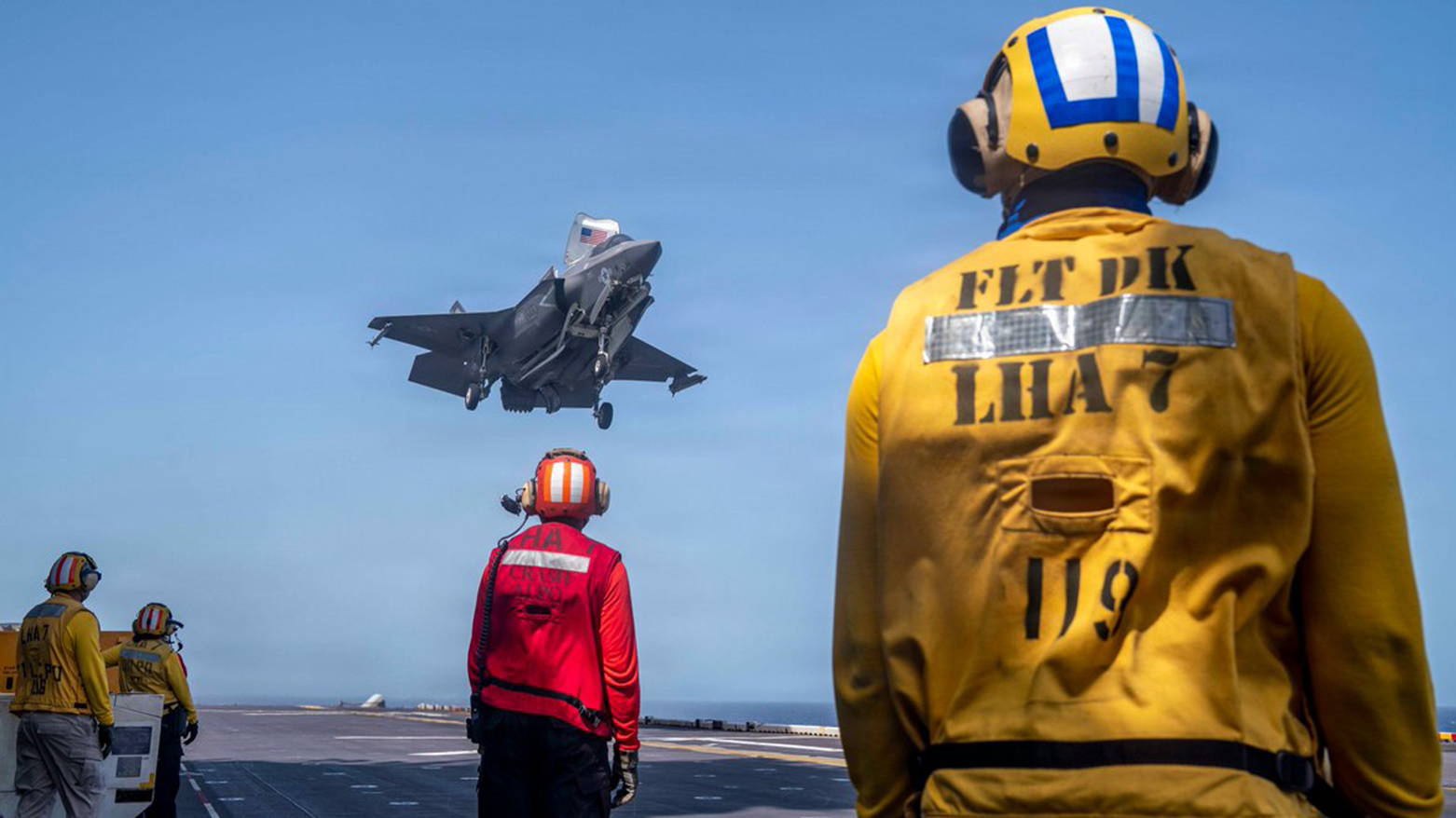
ERBIL (Kurdistan24) — Iran on Saturday strongly condemned a reported overnight U.S. attack on coastal radar installations in the Gulf, describing it as a “flagrant” violation of the ceasefire that has been in effect since April and accusing Washington of escalating tensions through hostile actions.
In a statement, Iran’s Foreign Ministry said the strike constituted an attack on the country’s sovereignty and territorial integrity, denouncing what it called the United States’ “hostile and provocative behavior.”
The condemnation came amid renewed tensions surrounding Iran’s nuclear program and its ongoing dispute with the International Atomic Energy Agency (IAEA), which recently raised concerns over its inability to access several Iranian nuclear facilities.
Tehran on Saturday dismissed the IAEA’s latest findings, accusing the UN nuclear watchdog of allowing its technical assessments to be used as a political instrument.
“If the agency wants to be part of a diplomatic solution, it must refrain from turning a technical report into a tool of political pressure,” Iranian Deputy Foreign Minister Kazem Gharibabadi wrote on social media platform X.
The IAEA’s confidential report, reviewed by AFP on Thursday, warned that the agency’s continued lack of access to nuclear sites in Iran represents a “proliferation concern.” The report acknowledged that military attacks on Iranian nuclear facilities had created an unprecedented situation but stressed the need for verification activities to resume without delay.
“While the agency acknowledged that the military attacks on Iran's nuclear facilities and sites have created an unprecedented situation, it is critical for the agency to conduct verification activities in Iran without delay,” the report stated.
Iran has argued that repeated military strikes on its nuclear infrastructure have made inspections difficult and raised significant safety concerns. Gharibabadi accused both the United States and Israel of undermining the very conditions necessary for international monitoring.
“One cannot bomb safeguarded facilities, destroy the access and safety necessary for inspections, and then use the consequences of that very attack as a grievance against Iran,” he said.
Tehran has also criticized the IAEA for not publicly condemning Israeli and U.S. attacks on Iranian nuclear sites during recent conflicts.
The dispute comes against the backdrop of heightened regional tensions that began when the United States and Israel launched attacks on Iran on Feb. 28 while Washington and Tehran were engaged in discussions over Iran’s nuclear program. The conflict triggered a broader regional war before a ceasefire was eventually declared.
The latest confrontation followed an earlier Israeli military campaign against Iran in June 2025, which also occurred during active nuclear negotiations between Tehran and Washington. During both conflicts, Iranian nuclear facilities were repeatedly targeted.
Western governments, led by the United States and Israel, have long accused Iran of seeking to develop nuclear weapons. Iran has consistently denied the allegations, maintaining that its nuclear activities are exclusively for peaceful civilian purposes.
In June 2025, the United States carried out strikes on three Iranian nuclear facilities. U.S. President Donald Trump later claimed the attacks had effectively “annihilated” Iran’s nuclear program. However, the full extent of the damage has never been independently verified.
Before the June 2025 strikes, the IAEA estimated that Iran possessed approximately 440 kilograms of highly enriched uranium. The status of that stockpile has remained uncertain since June 10, 2025, when it was last observed by IAEA inspectors.
Iran continues to cite security concerns resulting from military attacks as justification for restricting access to affected nuclear sites, while the IAEA insists that renewed inspections are essential to maintaining international confidence in the peaceful nature of Tehran’s nuclear activities.