Trump Calls On Iran to Make a Deal ‘Before It’s Too Late’
Trump warns Iran to accept a ceasefire after a US strike destroys a major bridge, vowing further attacks if Tehran refuses Washington’s demands.
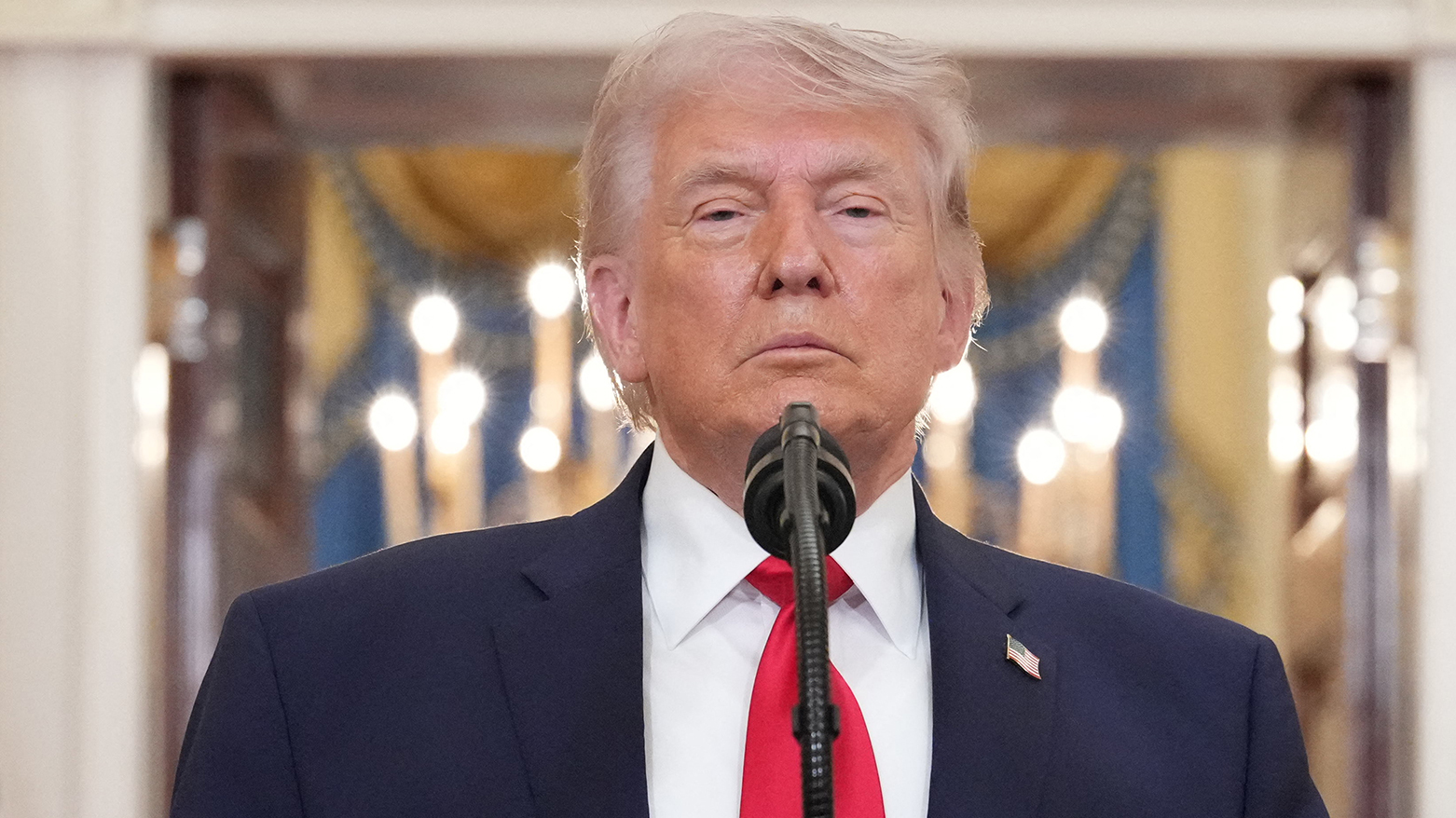
ERBIL (Kurdistan24) - In a message posted on Truth Social, Trump highlighted the destruction of what he described as Iran’s largest bridge, a key highway link connecting Tehran to the western city of Karaj. The post included footage of the strike, amplifying its symbolic and strategic weight.
“The biggest bridge in Iran comes tumbling down, never to be used again — Much more to follow!” Trump wrote, signaling that the attack was part of a broader and continuing military campaign.
He followed with a direct warning to Iran’s leadership, urging immediate engagement with Washington’s ceasefire proposal: “IT IS TIME FOR IRAN TO MAKE A DEAL BEFORE IT IS TOO LATE, AND THERE IS NOTHING LEFT OF WHAT STILL COULD BECOME A GREAT COUNTRY!”
The remarks point to a sharpening US approach, as the president links ongoing military strikes with diplomatic demands aimed at ending the war. The strike itself marks a notable development, with Trump emphasizing that additional actions could follow if Tehran does not comply.
At the same time, the position of the United States reflects a calculated balance, as Washington has largely avoided targeting civilian infrastructure and previously warned Israel against striking Iranian energy sites, in an effort to prevent further destabilization.
However, Trump’s latest statements indicate a readiness to intensify operations, even as Iran has shown no clear sign of accepting the ceasefire terms put forward by Washington.
With threats of further strikes and a firm ultimatum on the table, the confrontation appears to be entering a more volatile phase, where military escalation and diplomatic pressure converge.