Debris From Intercepted Attack Injures 12 in Abu Dhabi, Authorities Say
At least 12 people were injured in Abu Dhabi after debris from an intercepted attack fell in Ajban, authorities said, with injuries reported among foreign nationals.
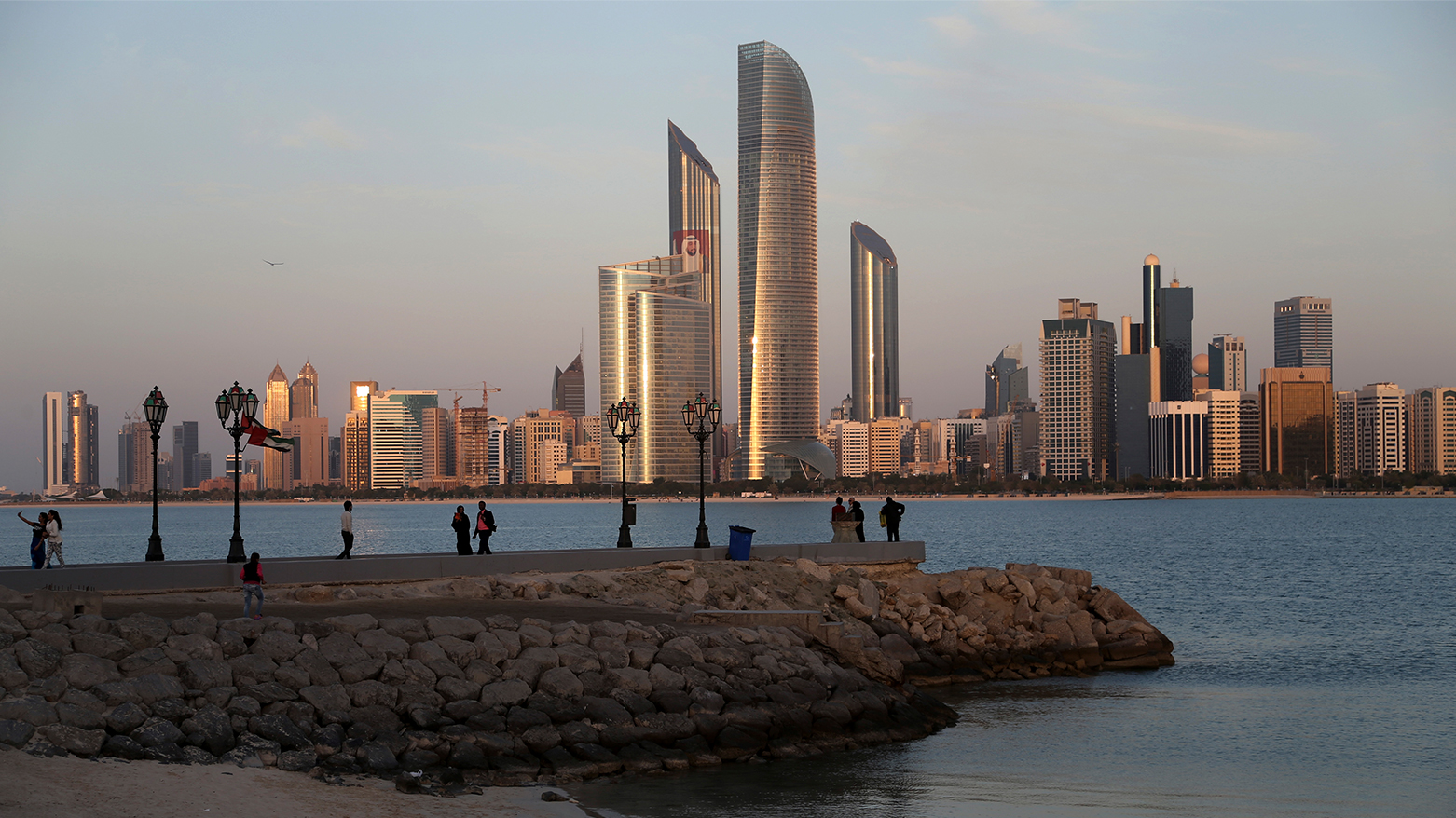
ERBIL (Kurdistan24) - 12 injured in Abu Dhabi after attack intercepted: govt, as authorities in the United Arab Emirates said debris from an intercepted aerial attack struck the Ajban area on Friday, injuring at least 12 people, according to an official statement.
The Abu Dhabi Media Office said the incident resulted from falling debris after the interception, with injuries ranging from minor to moderate among most victims and one individual reported in serious condition. The government office said six of those injured were of Nepali nationality and five were Indian nationals, while one Nepali national sustained a major injury, according to the statement posted on X and cited by AFP.
Officials said the injuries occurred in the Ajban area of Abu Dhabi, without providing further details on the nature of the intercepted attack or the system used in the interception.
The Associated Press also reported that the injuries were caused by shrapnel from a missile interception, noting that at least 12 people were hurt in the incident. According to AP, seven of those injured were from Nepal and five from India, reflecting a similar breakdown of nationalities reported by local authorities.
Authorities in the United Arab Emirates also took precautionary measures following the incident. According to AP reporting, gas facilities in Abu Dhabi were shut down after debris from a missile interception reportedly caused a fire, indicating broader operational disruptions linked to the incident.
The developments in Abu Dhabi come amid an ongoing regional conflict involving Iran, the United States, and Israel, which began on Feb. 28 and has expanded to include strikes affecting multiple Gulf states. According to The Associated Press, the conflict had entered its sixth week on Friday, with continued reports of missile launches and aerial attacks across the region.
The AP reported that Iran launched missiles targeting Israel and Gulf states, while Israeli and U.S. forces continued strikes on Iranian territory. Officials in several countries, including Israel, Bahrain, and Kuwait, issued warnings about incoming missile fire, though it remained unclear in some cases whether specific targets were struck, the report noted.
In Kuwait, Iranian missiles and drones were reported to have struck key infrastructure. According to AP, a refinery was set alight and a desalination plant damaged on Friday, while Kuwaiti authorities said earlier that an oil refinery had been targeted by drones, resulting in fires but no reported injuries.
The Associated Press said such attacks have extended to critical infrastructure across the Gulf, including energy and water facilities, as part of the broader escalation. In Kuwait, authorities said desalination plants, which provide the majority of the country’s drinking water, had been affected by recent strikes.
Regional energy infrastructure has been particularly impacted by the conflict. The AP reported that attacks on facilities in the Gulf, combined with Iran’s control over the Strait of Hormuz, have contributed to sharp increases in oil prices. The strait is a key global transit route for oil and natural gas shipments, and disruptions there have had broader economic implications, according to the report.
Shipping traffic through the Strait of Hormuz has declined significantly since the start of the conflict, The Associated Press reported, citing data indicating a sharp drop in vessel movements. Only a limited number of ships have continued to transit the route compared to normal levels, the report said.
The military situation has also prompted international responses. The AP reported that U.S. President Donald Trump said American forces would continue to strike Iran “very hard” in the coming weeks. U.S. naval deployments have also been adjusted, with multiple aircraft carriers positioned or moving toward the Middle East, according to statements cited by AP.
In parallel, reports from inside Iran indicated ongoing strikes in multiple locations. Activists cited by The Associated Press reported explosions in Tehran and the central city of Isfahan, suggesting continued military activity within Iranian territory.
Iranian authorities have reported significant casualties since the start of the conflict. According to AP, at least 1,973 people have been killed, with data cited from monitoring groups indicating that many civilian casualties were linked to strikes on government-related or military sites located in populated areas.
The Armed Conflict Location and Event Data group, cited by The Associated Press, said that civilian casualties were often associated with attacks on security or military facilities situated in urban areas, rather than indiscriminate bombardment.
The regional escalation has also affected civilian infrastructure and public life beyond immediate conflict zones. According to AP reporting, churches in the United Arab Emirates announced closures for Easter Sunday following government orders, reflecting precautionary measures taken amid ongoing hostilities.
International organizations have raised concerns about the humanitarian impact of the conflict. Amnesty International warned that Iran had recruited children as young as 12 into its Basij force, describing the practice as a potential violation of international law, according to AP.
The organization said that children had been deployed to checkpoints and patrols, sometimes armed, placing them at risk as military sites continue to be targeted. “As U.S. and Israeli strikes hit thousands of (Guard) sites... the deployment of child soldiers... puts them at grave risk of death and injury,” Erika Guevara-Rosas of Amnesty International said, as quoted by AP.
The broader geopolitical situation has also prompted diplomatic discussions. The AP reported that French President Emmanuel Macron and South Korean President Lee Jae Myung agreed to cooperate on efforts to reopen the Strait of Hormuz, citing concerns over global economic stability.
Other countries have indicated potential involvement in maritime security. Ukrainian President Volodymyr Zelenskyy said Ukraine could assist in protecting shipping routes if invited, according to remarks cited by The Associated Press.
Meanwhile, military developments continue across multiple fronts. Israel’s military said it would establish new defensive positions in southern Lebanon in the coming days to address what it described as threats to northern communities, according to statements cited by AP.
In the Gulf, authorities have continued to monitor and respond to incidents linked to intercepted attacks. The shutdown of gas facilities in Abu Dhabi following debris-related fires reflects the operational impact of such incidents beyond immediate casualties, according to AP reporting.
The incident in Abu Dhabi underscores the risks posed by intercepted aerial threats, particularly in populated areas where debris can cause injuries even when attacks are neutralized. Officials have not reported fatalities in connection with the Ajban incident.
The Abu Dhabi Media Office statement remains the primary official account of the incident, confirming the number of injured and their nationalities while noting the cause as falling debris following interception, AFP reported.
The Associated Press reporting provides additional context linking the incident to broader missile activity in the region, though authorities have not publicly attributed the specific intercepted attack in Abu Dhabi to a particular source.
The situation remains part of a wider pattern of military activity across the Middle East, with multiple countries affected by strikes, interceptions, and related incidents as the conflict continues.