Netanyahu Says Israeli Strikes Have Destroyed 70% of Iran’s Steel Capacity
Netanyahu said Israeli strikes destroyed 70% of Iran’s steel capacity, citing coordinated operations with the United States, according to The Times of Israel.
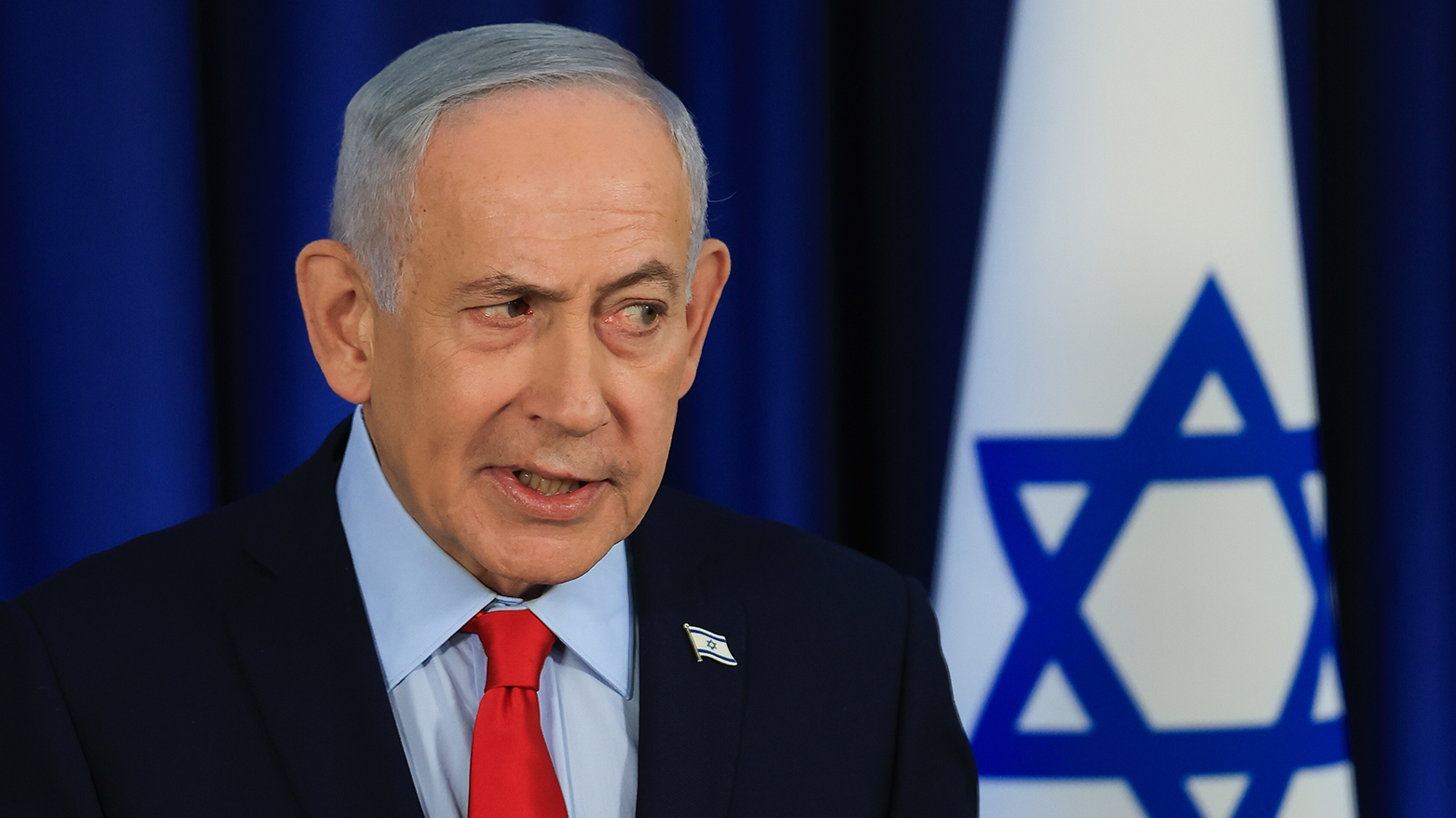
ERBIL (Kurdistan24) - Israeli Prime Minister Benjamin Netanyahu said Israeli strikes have destroyed 70% of Iran’s steel production capacity as part of ongoing coordinated operations with the United States, according to a video statement released by his office and cited by The Times of Israel.
“In full coordination between me and President Trump,” Netanyahu said, “and between the IDF and the United States military, we will continue to strike Iran,” according to remarks reported by The Times of Israel. He added that Israeli forces were continuing operations targeting infrastructure and military assets.
Netanyahu said the Israeli Air Force had inflicted extensive damage on Iran’s industrial sector. “This is a tremendous achievement that deprives the Revolutionary Guards of both financial resources and the ability to produce many weapons,” he said, referring to the reported destruction of 70% of Iran’s steel production capacity, as quoted by The Times of Israel.
The claim aligns with other statements by Netanyahu in recent days indicating that Israeli strikes have targeted key industrial infrastructure. He has previously said that damage to Iran’s steel sector affects both economic output and weapons production, according to reports cited by multiple outlets.
Steel production plays a central role in industrial and military manufacturing, including the production of weapons systems, according to reporting referenced by international media. Netanyahu said the strikes were aimed at weakening the capabilities of Iran’s Revolutionary Guard by limiting access to materials and revenue streams, as cited by The Times of Israel.
“Together with our American friends, we are continuing to strike the terrorist regime in Iran,” Netanyahu said, adding, “We are eliminating commanders, bombing bridges and striking infrastructure,” according to the report.
The Israeli prime minister also addressed operations beyond Iran, stating that Israeli forces were continuing military activity in Lebanon. “In Lebanon, we continue to strike Hezbollah decisively,” he said, adding that ground forces were operating in southern Lebanon and expanding what he described as a security zone, according to The Times of Israel.
The Associated Press reported that the conflict between Israel, the United States, and Iran began on Feb. 28 and has entered its sixth week, with continued military activity across multiple regions. Iranian missile launches and Israeli and U.S. strikes have been reported across the Middle East, AP said.
According to The Associated Press, Iranian attacks have targeted energy infrastructure in Gulf states, including Kuwait, where missiles set fire to a refinery and damaged a desalination plant. Kuwaiti authorities confirmed material damage but reported no injuries, AP said.
The Associated Press also reported that at least 12 people were injured in Abu Dhabi after debris from a missile interception fell in a populated area, citing local officials. Authorities said the injuries were caused by shrapnel from the interception.
Regional warnings of incoming missile fire have been issued by several countries, including Israel, Bahrain, and Kuwait, although the extent of direct impacts has not always been immediately clear, according to AP reporting.
Within Iran, activists cited by The Associated Press reported explosions in Tehran and the central city of Isfahan, indicating ongoing strikes inside the country. Iranian authorities said at least 1,973 people had been killed since the start of the conflict, figures cited by AP showed.
Data from the Armed Conflict Location and Event Data group, cited by The Associated Press, indicated that civilian casualties were often linked to strikes on government or military sites located in populated areas.
The broader military context includes continued U.S. involvement. U.S. President Donald Trump said American forces would continue striking Iran “very hard” in the coming weeks, according to remarks cited by The Associated Press.
The AP also reported that U.S. naval forces have been repositioned, with aircraft carriers deployed or en route to the region. Maritime traffic has been significantly affected, particularly in the Strait of Hormuz, where vessel movement has declined sharply since the start of the conflict, according to data cited by The Associated Press.
The disruption of maritime routes has had wider economic implications. The Associated Press reported that reduced traffic through the Strait of Hormuz has contributed to rising oil prices due to the route’s importance for global energy supplies.
Diplomatic activity has continued alongside military operations. French President Emmanuel Macron and South Korean President Lee Jae Myung agreed to cooperate on efforts to reopen the Strait of Hormuz, according to The Associated Press.
Ukrainian President Volodymyr Zelenskyy said Ukraine could assist in securing maritime routes if invited, AP reported, citing his remarks.
Humanitarian concerns have also been raised. Amnesty International said Iran had recruited children as young as 12 into its Basij force, describing the practice as a potential violation of international law, according to The Associated Press.
“As U.S. and Israeli strikes hit thousands of (Guard) sites... the deployment of child soldiers... puts them at grave risk of death and injury,” Erika Guevara-Rosas of Amnesty International said, as quoted by AP.
The latest remarks from Netanyahu place particular emphasis on the reported damage to Iran’s steel production capacity, which he described as a key component of the country’s industrial and military capabilities, according to The Times of Israel.