Erdoğan Tells Putin Israel’s Policies Must Be Halted as Russia, Egypt Push Diplomacy
Erdoğan urges Israel halt as Türkiye, Russia, and Egypt push coordinated diplomacy to ease tensions, stressing de-escalation, maritime security, and renewed negotiations amid escalating regional conflict.
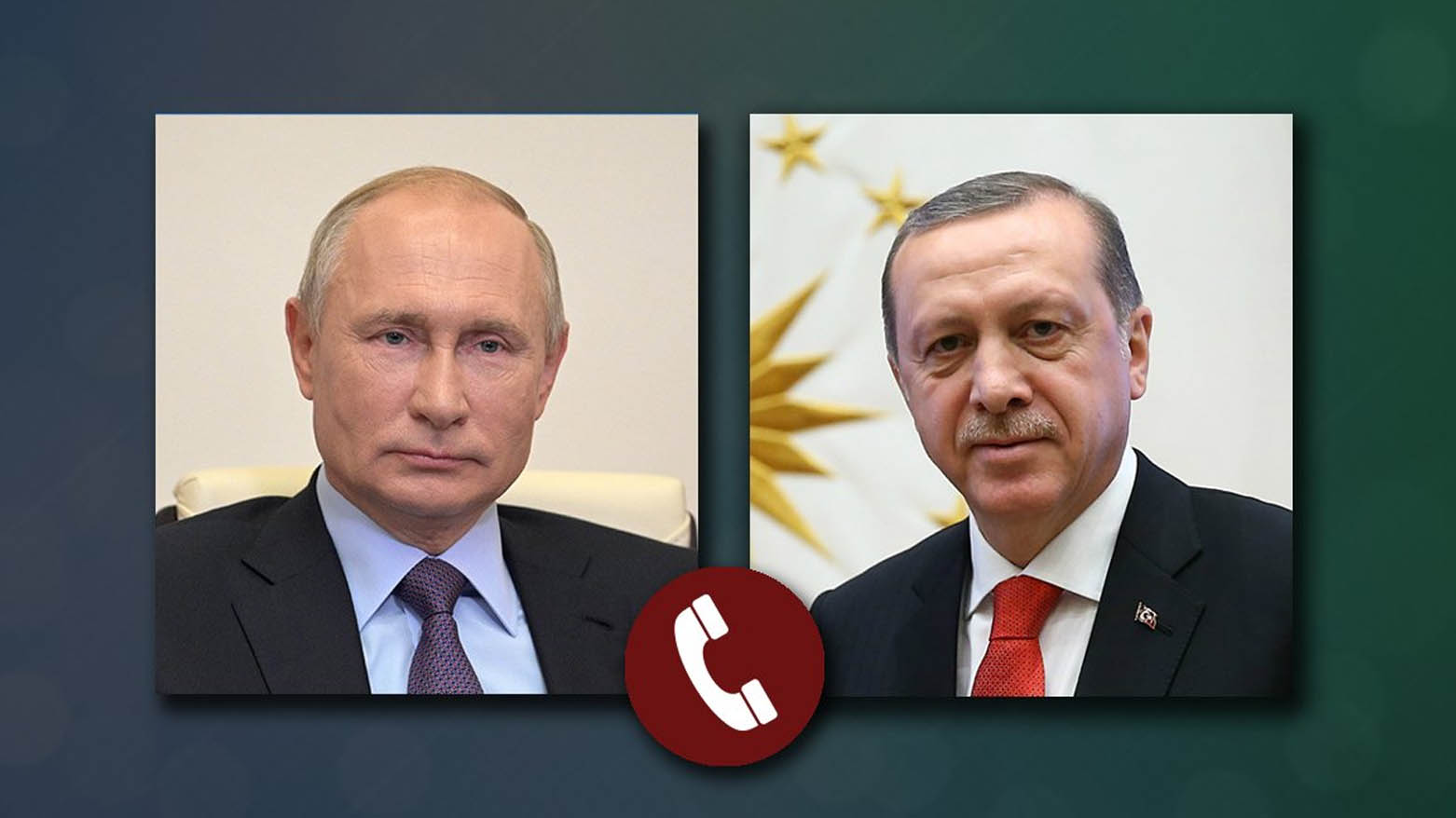
ERBIL (Kurdistan24) - Turkish President Recep Tayyip Erdoğan told Russian President Vladimir Putin in a phone call on Friday that Israel’s policies in the region must be halted, while Russian and Egyptian officials meeting in Moscow said they were intensifying coordination to reduce escalating tensions and restore stability.
According to a statement from the Turkish Presidency, Erdoğan conveyed Ankara’s position during the call with Putin, emphasizing that Türkiye does not approve of ongoing attacks against Iran, while also not supporting Iran’s retaliatory actions targeting countries in the region.
The statement said Türkiye is maintaining contact with all parties and focusing on efforts aimed at consolidating peace and preventing further escalation.
The Turkish President stressed what he described as the necessity of stopping “Netanyahu's government’s aggressive policies throughout the region,” the statement noted. He also said that steps taken by Israel affecting the status and identity of Jerusalem are unacceptable, according to the same statement.
The conversation between Erdoğan and Putin also addressed developments in Syria, with Erdoğan indicating that he is closely monitoring the situation. He emphasized that measures aimed at strengthening stability in Syria are in the mutual interest of both Türkiye and Russia and warned that existing gains should not be put at risk, the Turkish Presidency said.
The call comes amid heightened regional tensions following a series of military exchanges that began in late February. On Feb. 28, the United States and Israel carried out airstrikes targeting Iran, resulting in the deaths of several senior Iranian leaders, according to previously reported developments.
Iran subsequently launched retaliatory strikes, including missile attacks directed toward Israel and operations targeting U.S. military bases across the region.
In parallel diplomatic efforts, Russian Foreign Minister Sergey Lavrov and Egyptian Foreign Minister Badr Abdelatty met in Moscow on Friday, where both officials highlighted the urgency of addressing the deteriorating regional situation.
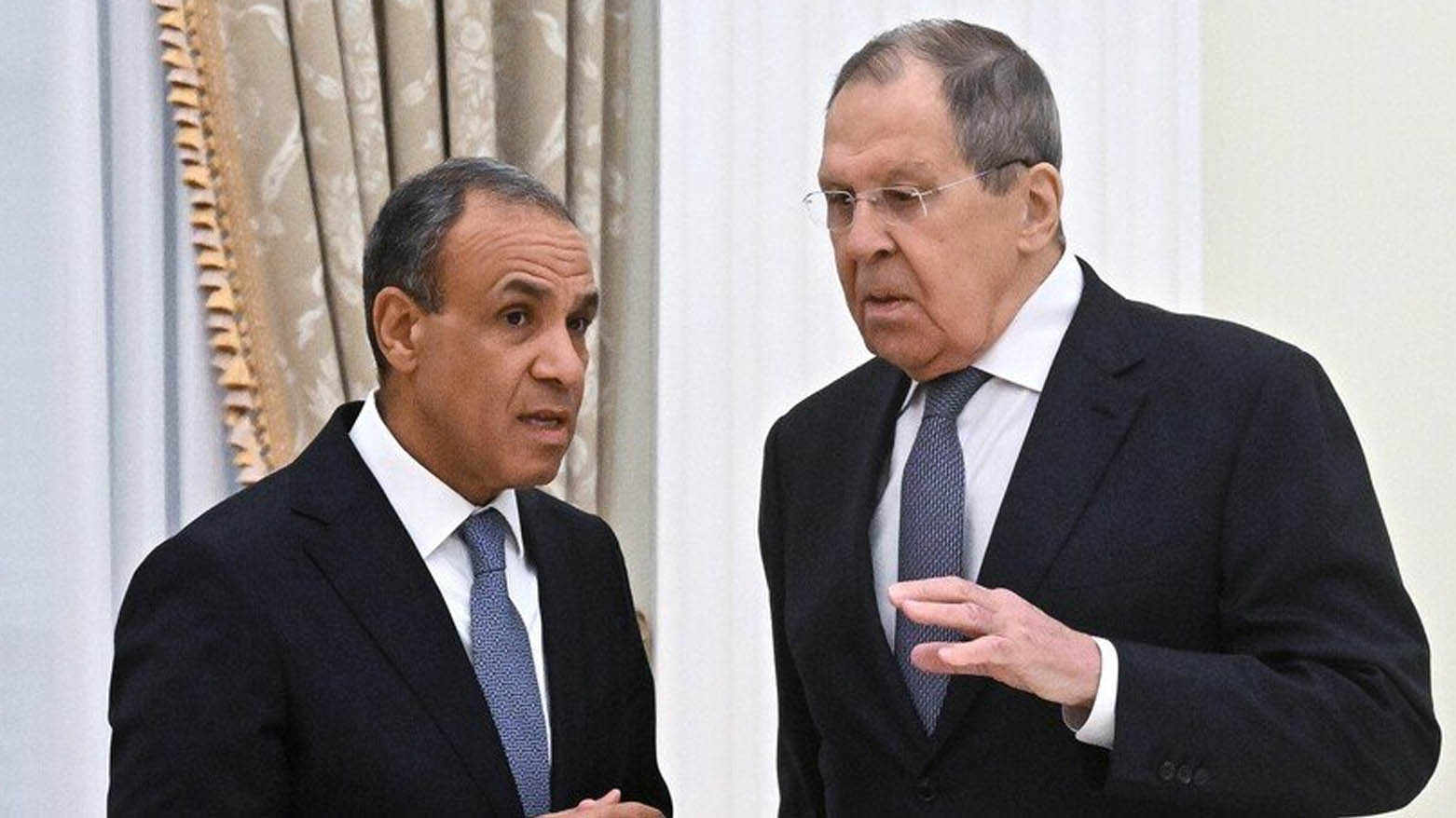
During a joint press conference, Abdelatty said Egypt is continuing to coordinate with regional partners, including Pakistan and Türkiye, to advance diplomatic solutions.
“Cairo continues to work and coordinate with Pakistan and Turkey to strengthen the diplomatic path and advance peaceful solutions,” Abdelatty said, according to statements released following the meeting. He added that Egypt’s engagement is focused on halting what he described as rapid military escalation, while also ensuring maritime security and safeguarding international navigation.
Abdelatty emphasized that maintaining maritime freedom is a key component of global economic stability, indicating that disruptions to shipping routes would have broader international implications. His remarks underscored concerns among regional actors about the potential impact of continued conflict on critical waterways.
Lavrov, speaking alongside his Egyptian counterpart, described the situation in the Middle East as “very concerning,” and called on all parties involved in the conflict to return to negotiations. He warned against the risk of the region being drawn into a wider confrontation and stressed the importance of de-escalation.
The Russian foreign minister said that reducing tensions would contribute to the resumption of maritime traffic through the Strait of Hormuz, a key transit route for global energy supplies. His remarks reflected broader concerns about the implications of continued instability on international trade and energy markets.
The Moscow meeting follows a separate gathering held on March 29 in Islamabad, where the foreign ministers of Pakistan, Saudi Arabia, Türkiye, and Egypt discussed regional developments.
According to a statement from the Saudi Ministry of Foreign Affairs, participants exchanged views on the evolving situation and explored joint efforts aimed at achieving a peaceful resolution.
The Saudi statement said the discussions focused on identifying coordinated approaches to address tensions and emphasized the importance of diplomacy in resolving the crisis. The Islamabad meeting forms part of a broader series of consultations among regional governments seeking to prevent further escalation.
Earlier statements from Turkish officials have also highlighted Ankara’s emphasis on diplomatic solutions.
On March 28, Turkish Foreign Minister Hakan Fidan said in a speech that the international community is bearing the consequences of the ongoing conflict and that diplomacy remains the only viable path to resolving the crisis.
Fidan stated that Türkiye opposes any developments that could draw additional countries into what he described as a dangerous conflict. He said the war has broader implications beyond the immediate parties involved and reiterated Ankara’s position that diplomatic engagement is essential.
The latest exchanges between regional leaders and officials reflect ongoing efforts to manage tensions that have escalated following the February airstrikes and subsequent retaliatory actions. Officials from multiple countries have pointed to the need for coordinated diplomatic initiatives to prevent further deterioration of the situation.
Türkiye’s outreach to Russia, as reflected in Erdoğan’s call with Putin, comes alongside broader regional coordination efforts involving Egypt and other countries. Statements from both Ankara and Cairo indicate a shared emphasis on de-escalation and the pursuit of political solutions.
At the same time, Russian officials have continued to call for negotiations as a means of resolving the crisis. Lavrov’s remarks in Moscow align with earlier Russian positions advocating dialogue and warning against the risks of a wider regional conflict.
The convergence of diplomatic messaging from Türkiye, Egypt, and Russia highlights a coordinated effort among several regional and international actors to contain the situation. Officials have consistently underscored the importance of preventing further military escalation and ensuring the stability of key economic and strategic corridors.
The developments reported on Friday illustrate a dual-track approach involving both direct leader-to-leader communication and multilateral diplomatic engagement.
While Erdoğan’s call with Putin focused on immediate concerns related to Israel’s actions and regional stability, the Moscow meeting between Lavrov and Abdelatty emphasized broader coordination aimed at advancing diplomatic pathways.
Both tracks reflect a continued emphasis on reducing tensions and maintaining communication channels among key stakeholders. Statements from the Turkish Presidency and participants in the Moscow meeting indicate that these efforts are ongoing and involve coordination with multiple regional actors.
Officials have not indicated any immediate changes in the security situation, but have reiterated the importance of sustained diplomatic engagement. The statements released following the call and the Moscow meeting reflect a consistent focus on de-escalation, dialogue, and the prevention of further conflict.
The latest diplomatic contacts come as regional governments continue to respond to the aftermath of the February strikes and subsequent retaliatory actions, which have heightened concerns about the potential for broader instability.
Türkiye, Russia, and Egypt have each emphasized the need to prevent further escalation, with officials pointing to the risks posed by continued military exchanges. Their statements indicate a shared position that diplomatic efforts must be intensified to address the situation.