Iranian Gas Exports to Southern Iraq Halted, Sparking Energy Supply Concerns
Mounting evidence suggests the disruption may be linked to intensified U.S.-Israeli strikes on Iran’s energy infrastructure, which have damaged key gas facilities and strained export capacity
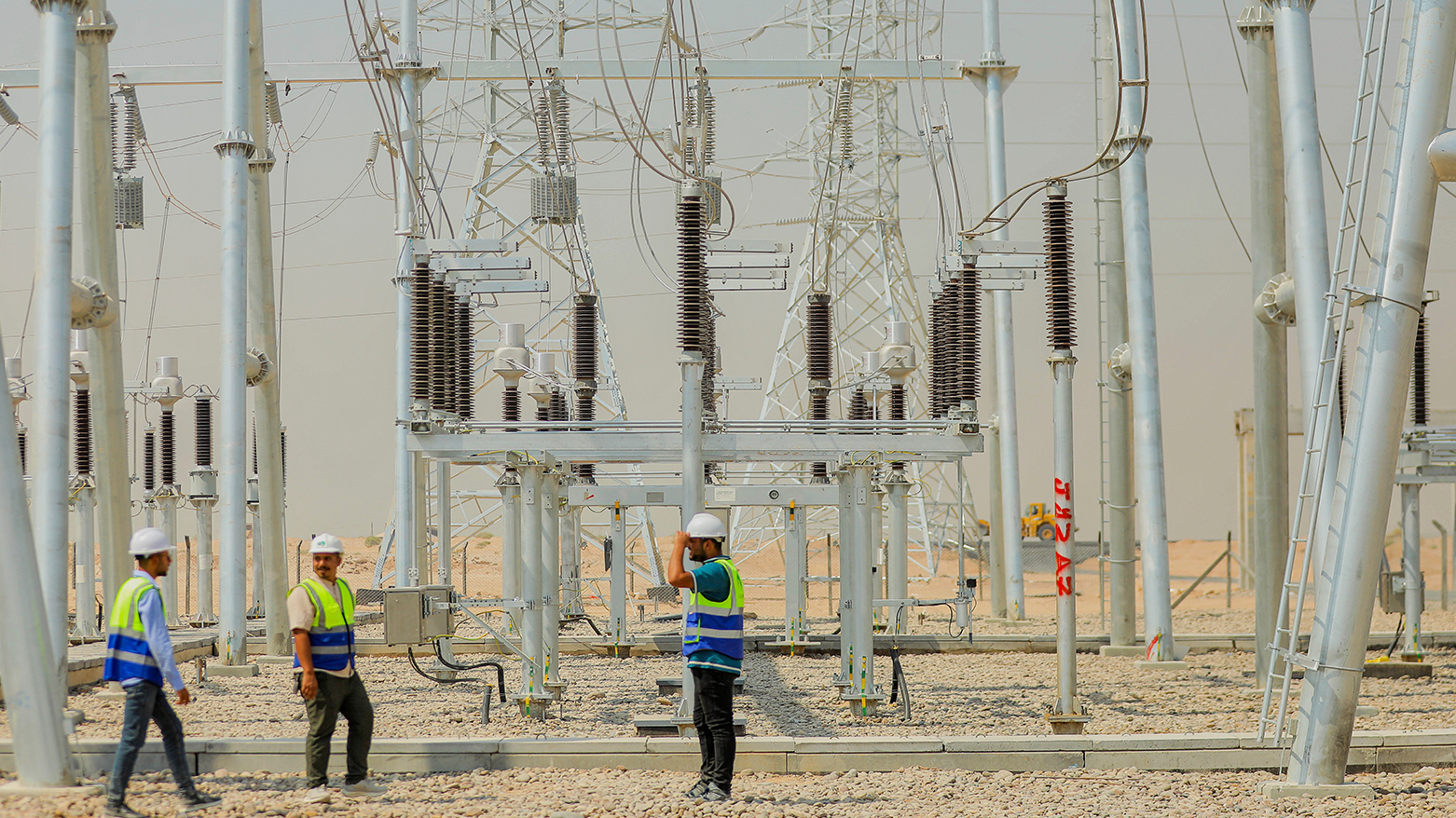
ERBIL (Kurdistan24) — Iraq’s Ministry of Electricity announced on Saturday a complete halt to Iranian gas imports to the country’s southern regions, raising concerns over energy supply stability ahead of the peak summer season.
Ministry spokesperson Ahmed Mousa said in a statement to the Iraqi News Agency that Iranian gas flows to southern Iraq have fully stopped, while supplies to central areas have dropped significantly to just five million cubic meters.
He added that the ministry is working to offset the shortfall by relying on alternative fuel sources and reactivating power plants that had been forced offline due to gas shortages.
Mousa further explained that declining oil production and exports have directly impacted domestic gas output, which has fallen sharply from 1,100 million cubic feet to just 400 million cubic feet.
Despite these constraints, he noted that the current mild weather conditions have helped authorities manage electricity demand across the national grid.
Looking ahead to the summer, Mousa emphasized that power generation stations and transmission networks are nearing full readiness. He highlighted ongoing work at the Khor al-Zubair gas platform, expected to be completed before summer, which will contribute to meeting part of the country’s energy needs.
In addition, electricity interconnection projects with neighboring countries are progressing and are expected to be operational ahead of the high-demand season.
The ministry also confirmed close coordination with the Ministry of Oil to secure sufficient fuel supplies for power plants in Baghdad, Diyala, and other affected provinces, aiming to stabilize electricity production and mitigate the impact of gas shortages during the summer months.
The halt of Iranian gas exports to southern Iraq comes amid a rapidly escalating regional war that has increasingly targeted energy infrastructure, making supply disruptions both likely and, in some cases, unavoidable.
Over the past several weeks, the conflict between the United States, Israel, and Iran has evolved into a direct confrontation with significant strikes on critical Iranian oil and gas facilities.
Notably, Israeli strikes on Iran’s South Pars gas field—one of the world’s largest and responsible for a major share of Iran’s gas production—caused substantial damage and forced partial shutdowns of output. This alone had immediate downstream effects, including interruptions to Iran’s ability to export gas to regional clients such as Iraq.
At the same time, broader military operations have increasingly targeted energy infrastructure as a strategic objective. U.S. and Israeli officials have explicitly framed Iran’s energy sector—including power plants and fuel facilities—as potential targets, with Washington warning it could “obliterate” Iran’s energy grid if the conflict continues.
These developments have been accompanied by repeated exchanges of strikes across the region, further degrading production capacity and complicating logistics.
The impact has not been limited to Iran itself. Regional energy networks have been severely disrupted, with attacks on oil and gas facilities across the Gulf contributing to a broader energy crisis and sharp volatility in global markets.
Analysts warn that such damage could take months or even years to repair, underscoring the structural nature of the disruption rather than a temporary interruption.
Recent days have seen an even sharper escalation. Intensified U.S.-Israel strikes, coupled with Iranian retaliation, have expanded the conflict geographically and operationally, affecting transport routes, border crossings, and key infrastructure nodes.
This environment has made the continuity of cross-border energy exports increasingly fragile.
The complete halt of Iranian gas supplies to southern Iraq appears less an isolated technical issue and more a direct consequence of wartime conditions.
Whether due to physical damage to production facilities, prioritization of domestic energy needs, or logistical constraints caused by ongoing strikes, the disruption aligns with a broader pattern: the weaponization—and vulnerability—of energy infrastructure in the current conflict.
For Iraq, which relies heavily on Iranian gas to fuel its power generation, this linkage highlights a critical structural risk: its energy security remains deeply exposed to geopolitical shocks, particularly when regional conflicts directly target the infrastructure underpinning supply.