KRG Coordinator Marks Anniversary of UN Resolution 688 That Condemned Repression of Kurdish People in Iraq
On the resolution's anniversary, KRG Coordinator for International Advocacy Dr. Dindar Zebari underscores its lasting legal, humanitarian, and political significance for civilian protection worldwide.
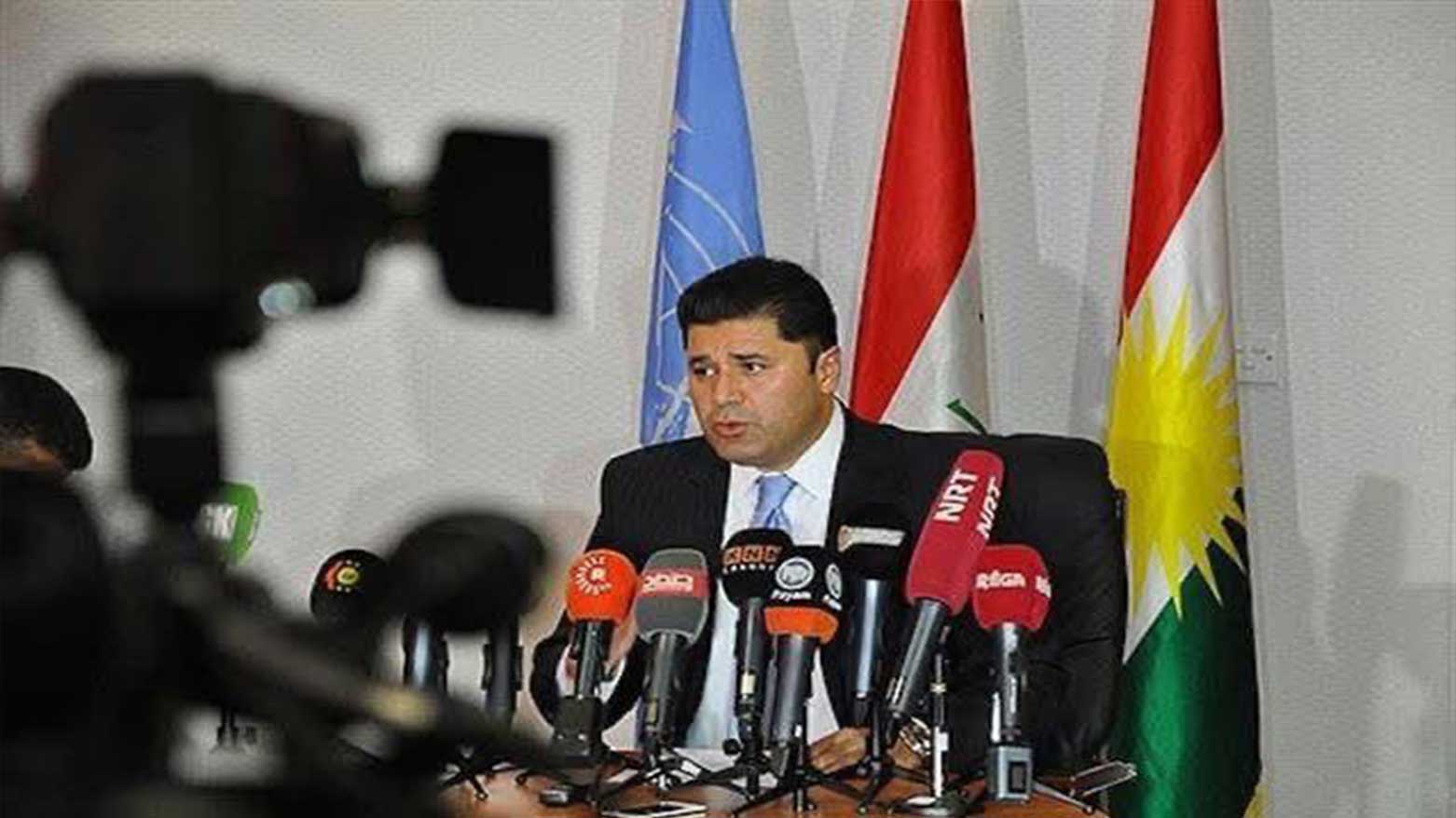
ERBIL (Kurdistan24) - Three decades on, a landmark United Nations Security Council resolution that condemned the repression of the Kurdish people in Iraq and recognized its consequences as a threat to international peace and security continues to reverberate — and the Kurdistan Regional Government marked its anniversary with a call to keep its principles at the center of global humanitarian policy.
On the anniversary of UN Security Council Resolution 688, Dr. Dindar Zebari, KRG Coordinator for International Advocacy, issued a statement from Erbil underscoring the resolution's enduring legal, humanitarian, and political significance in the protection of civilians, particularly the Kurdish people.
Adopted in the aftermath of the Gulf War, Resolution 688 condemned the repression of civilians in Iraq and recognized that its consequences — including mass displacement and cross-border refugee flows — constituted a threat to international peace and security. It called for an immediate end to repression and demanded unrestricted humanitarian access to affected populations.
A turning point in international law
Dr. Zebari described the resolution as a watershed moment in the evolution of international norms. "Resolution 688 marked a turning point in linking internal humanitarian crises to international peace and security," he stated, highlighting its role in shaping modern approaches to civilian protection and its influence on global frameworks such as the Responsibility to Protect.
Looking ahead, Dr. Zebari stressed that the principles embodied in Resolution 688 are far from historical relics. He emphasized the importance of strengthening early-warning mechanisms, ensuring timely international response, and reinforcing the protection of civilians in situations of mass displacement and armed conflict. Accountability, humanitarian access, and the prevention of mass atrocities, he said, must remain central to the international community's response framework.
Dr. Zebari reaffirmed the KRG's commitment to upholding human rights, deepening cooperation with the international community, and ensuring that the lessons of 1991 continue to inform future policies on civilian protection and humanitarian action.