Missile Strikes Hit Tehran Infrastructure, Iran Targets Haifa and Tel Aviv
Missiles hit Tehran homes and critical gas infrastructure as Iran strikes Tel Aviv and Haifa, igniting fires and fear. Amid widening destruction, diplomats scramble for a fragile ceasefire—war surges forward while peace struggles to catch up.
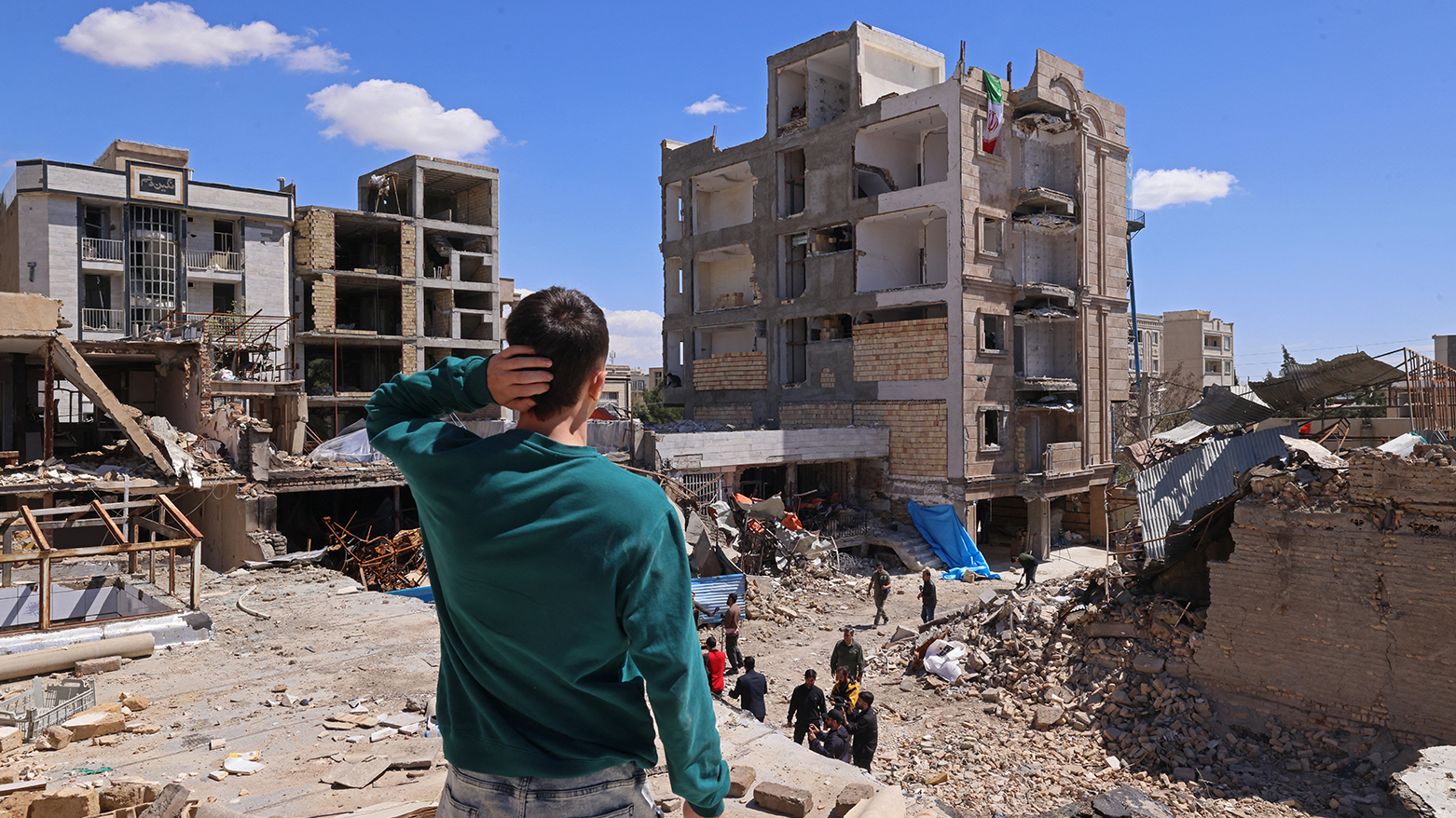
ERBIL (Kurdistan24) - Gas regulator infrastructure and a residential area in Tehran were struck in reported missile attacks, while Iran launched a new wave of missiles toward northern and central Israel, including Haifa and Tel Aviv, according to official statements and media reports, as parallel diplomatic efforts described by Axios indicated ongoing discussions over a potential temporary ceasefire and separate reports cited bombardment affecting Sharif University in Tehran.
The spokesperson for the Tehran Fire Department said in comments carried by the ISNA news agency that multiple areas of the Iranian capital experienced human and material losses in recent hours following what were described as enemy missile attacks. The official stated that the first strike targeted a gas regulator station in a central district of Tehran.
According to the fire department spokesperson, the facility plays a role in controlling and maintaining gas pressure within a defined range to ensure the safe and efficient distribution of natural gas from main pipelines to local areas. The systems are operated remotely through computerized controls.
The spokesperson said the strike caused a severe gas leak in the surrounding area. “This attack caused a severe gas leak in the area, but fortunately, no fire broke out. Emergency teams were able to fully control the gas leak and dissipate the danger in less than 30 minutes,” ISNA cited the official as saying.
In a separate incident, another missile strike hit a residential property in a district in southeastern Tehran, according to the same source. ISNA reported that the intensity of the strike completely destroyed the house, reducing it to rubble.
Emergency response teams were dispatched immediately to the scene and were able to rescue seven individuals alive from beneath the debris, the fire department spokesperson said. However, the official confirmed that three people were killed in the attack. Search and investigation operations were continuing at the site, according to the report.
The reported strikes in Tehran occurred alongside what Iranian and Israeli sources described as a new wave of missile attacks launched by Iran toward Israel. According to Iranian media, the missiles targeted northern and central regions, including the cities of Haifa and Tel Aviv.
Reports indicated that two missiles directly struck the center of Haifa, resulting in a large fire and significant material damage across multiple locations in the city. Details regarding casualties were not specified in the reports.
Simultaneously, another missile was reported to have struck a location in central Israel, specifically in Tel Aviv. News sources described the site as “strategic,” adding that Israeli security authorities prohibited the publication of images or video from the location due to its sensitivity.
The Israeli newspaper Yedioth Ahronoth reported that missile fragments and explosive warheads fell in 15 different locations across Tel Aviv as a result of the attack.
The Israeli military said in a statement that it had identified missiles launched from Iran toward Israeli territory. The military added that defense systems had repelled the attacks and urged residents to follow official instructions, advising them to remain in protected areas and to exit shelters only after receiving clear authorization.
The exchange of strikes follows earlier reported airstrikes and explosions across multiple Iranian cities. Iranian media outlets reported that Sharif University in Tehran and surrounding areas were subjected to heavy bombardment early Monday.
According to media reports, the strikes were not limited to the capital. Explosions were also reported in the cities of Mehrabad, Bandar Abbas, Qom, and Shiraz. In Bandar Abbas, five powerful explosions were heard, while areas in northwestern Tehran, including Shahrak, and locations near Mehrabad Airport were also affected by blasts.
The Fars News Agency reported that an attack on a residential area in southeastern Tehran resulted in at least 13 fatalities. Separately, the Iran newspaper reported that at least five people were killed in an attack on the city of Qom.
These developments come amid continued diplomatic contacts involving the United States, Iran, and regional intermediaries, according to a report published by Axios citing U.S., Israeli, and regional sources familiar with the discussions.
According to those sources, mediators are working to secure a potential two-phase agreement that would begin with a 45-day ceasefire, during which negotiations toward a permanent end to the conflict would take place. The report stated that the likelihood of reaching such a partial agreement within the next 48 hours was considered limited by the sources.
Axios reported that discussions are being conducted through intermediaries from Pakistan, Egypt, and Türkiye, as well as through direct messaging exchanges between U.S. envoy Steve Witkoff and Iran’s Foreign Minister Abbas Araghchi.
A U.S. official cited in the report said the administration had presented several proposals to Iran in recent days, but Iranian officials had not accepted them.
According to the sources, the proposed ceasefire could be extended if additional time were needed to finalize a broader agreement. The second phase of the proposal would involve a comprehensive arrangement to end the war.
The report stated that mediators believe key issues, including the full reopening of the Strait of Hormuz and the status of Iran’s highly enriched uranium stockpile, would likely be addressed only in a final agreement rather than in an initial ceasefire phase.
Sources cited by Axios said mediators are exploring whether Iran might take partial steps on these issues during the first phase, alongside measures from the United States aimed at providing assurances that any ceasefire would not be temporary.
Iranian officials have indicated concerns about entering into arrangements that could allow renewed military action after a ceasefire is declared, according to the report.
The Axios report also noted that mediators have expressed concern about the potential consequences of further escalation, particularly the possibility of retaliatory actions targeting energy and water infrastructure in Gulf states.
In parallel with the diplomatic discussions, statements attributed to U.S. President Donald Trump referenced deadlines related to the Strait of Hormuz and potential military action. According to reports, Trump extended a previously set deadline and indicated that negotiations were ongoing.
The developments mark a continuation of military exchanges and diplomatic activity as the conflict enters its sixth week, with strikes reported across multiple locations and ongoing efforts to reach a temporary cessation of hostilities.
The reported missile strikes on infrastructure and residential areas in Tehran, alongside missile launches toward Israeli cities, reflect continued hostilities as emergency responses and diplomatic contacts proceed.