Iran Executes Man Convicted of Links to U.S. and Israel During Protests, Judiciary Says
The judiciary said the execution followed Supreme Court confirmation of the verdict, marking the latest case linked to the protests.
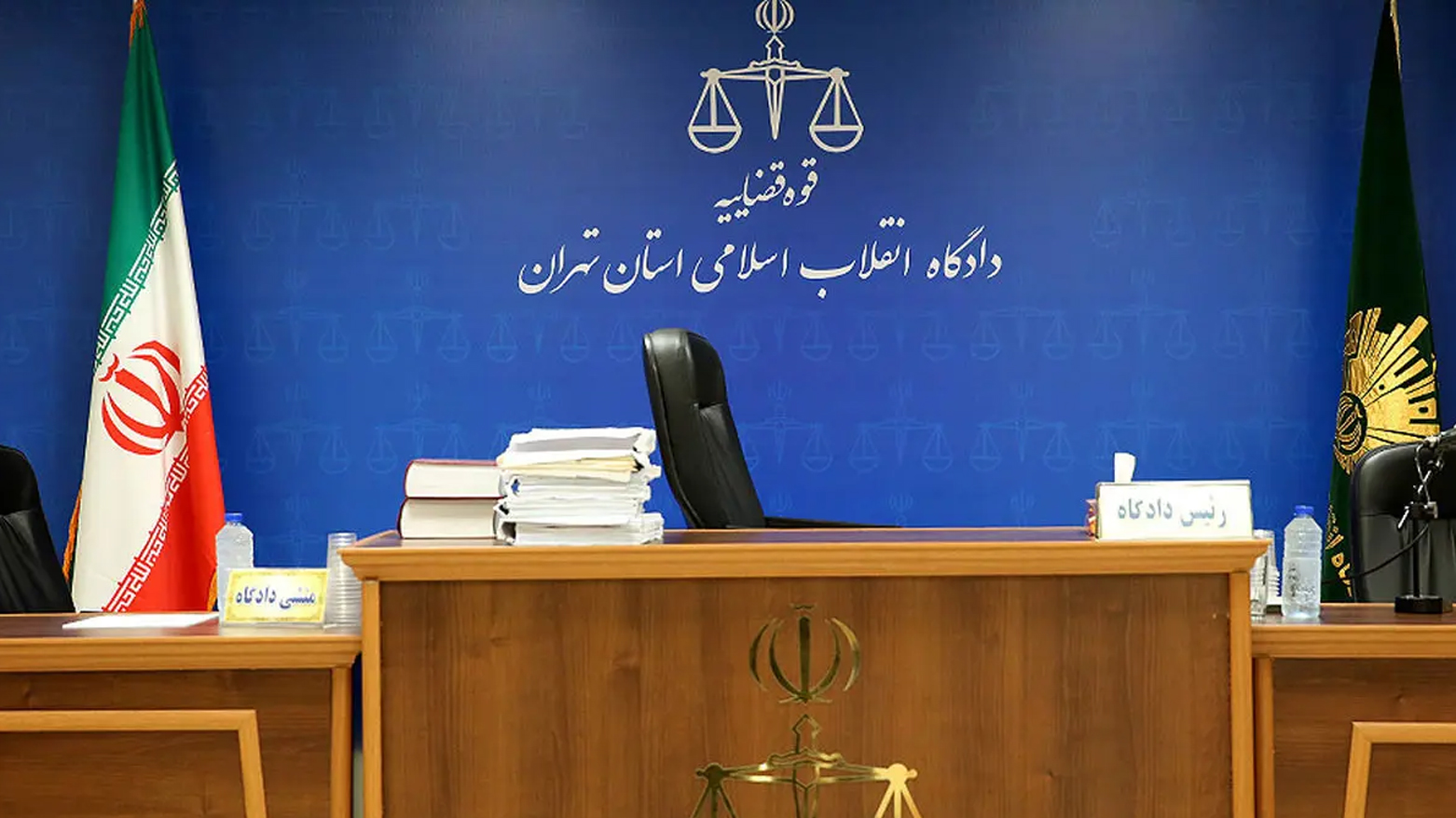
ERBIL (Kurdistan24) - Iran on Monday executed a man convicted of acting on behalf of Israel and the United States during anti-government protests earlier this year, the country’s judiciary said in an official statement.
The judiciary’s Mizan Online website identified the individual as Ali Fahim, describing him as “one of the enemy elements in the terrorist riots of Dey (January).” The statement said he was hanged after the Supreme Court reviewed his case and upheld the verdict, according to the report.
Authorities said Fahim had been convicted of working against Iran on behalf of what the statement referred to as “the Zionist regime and the United States,” as well as entering a classified military site to seize weapons. The judiciary did not provide further details on the alleged activities or the evidence presented during the proceedings.
The execution is the latest linked to a wave of protests that began in late December, initially driven by economic grievances including rising living costs, before expanding into broader anti-government demonstrations, according to official accounts. The protests reached their peak on January 8 and 9, the report noted.
Iranian officials have characterized the demonstrations as having shifted from peaceful gatherings into what they described as “foreign-instigated riots,” involving acts of violence, including killings and damage to property. The authorities have repeatedly attributed the unrest to external actors, including the United States and Israel, allegations those governments have denied in past statements, though no such responses were included in the current report.
The judiciary statement situates Fahim’s case within this broader context, describing him as part of what it called “enemy elements” involved in the protests. It did not specify whether he had direct operational links to foreign intelligence services or outline the legal process beyond noting Supreme Court confirmation of the sentence.
The protests themselves unfolded over several weeks and were marked by significant casualties. Iranian authorities have said more than 3,000 people were killed during the unrest, including members of the security forces and bystanders, according to official figures cited in the report.
In contrast, the U.S.-based Human Rights Activists News Agency (HRANA) has reported a substantially higher death toll. According to HRANA, more than 7,000 people were killed, the vast majority of them protesters, and it has indicated that the total could be higher. The discrepancy between official and independent estimates has not been reconciled, and no independent verification of the figures was provided in the report.
The execution also comes amid an ongoing conflict involving Iran, Israel, and the United States, which began on February 28 with a series of strikes, according to the report. Those strikes reportedly resulted in the death of Iran’s Supreme Leader, Ali Khamenei, marking a significant escalation in hostilities. The judiciary statement did not explicitly link Fahim’s execution to the conflict, but referenced the broader context in which it occurred.
Iranian authorities have continued to pursue legal action against individuals accused of involvement in the protests, particularly those alleged to have ties to foreign actors. The judiciary has maintained that such actions are part of efforts to address what it describes as threats to national security and public order.
The report did not indicate how many individuals have been executed in connection with the protests or how many cases remain under review. It also did not provide details on whether Fahim had legal representation or whether international observers were present during any stage of the proceedings.
Human rights organizations have previously raised concerns about due process and the use of capital punishment in cases related to political unrest, though such statements were not included in the report. Iranian authorities have consistently defended their judicial processes, stating that verdicts are issued in accordance with national law and after judicial review.
The judiciary’s announcement did not include any statements from Fahim’s family or legal representatives, nor did it specify the location where the execution was carried out.
The protests that began in December represented one of the most significant waves of unrest in Iran in recent years, drawing participants from multiple regions and social groups, according to accounts cited in the report. While the initial demonstrations focused on economic issues, officials said they later took on broader political dimensions.
Authorities have maintained that the situation has since stabilized, though no updated figures or assessments were included in the judiciary’s statement regarding current conditions.
Iran’s handling of the protests and subsequent legal actions continues to draw attention, particularly in light of the broader regional tensions outlined in the report.