Iran Claims 14 Million Ready to Die, Urges Human Shields as Israel Warns Civilians Off Railways
Pezeshkian cites mass mobilization pledge, Tehran calls for human chains around power plants ahead of potential U.S. strikes, while IDF issues urgent 12-hour rail warning to Iranians
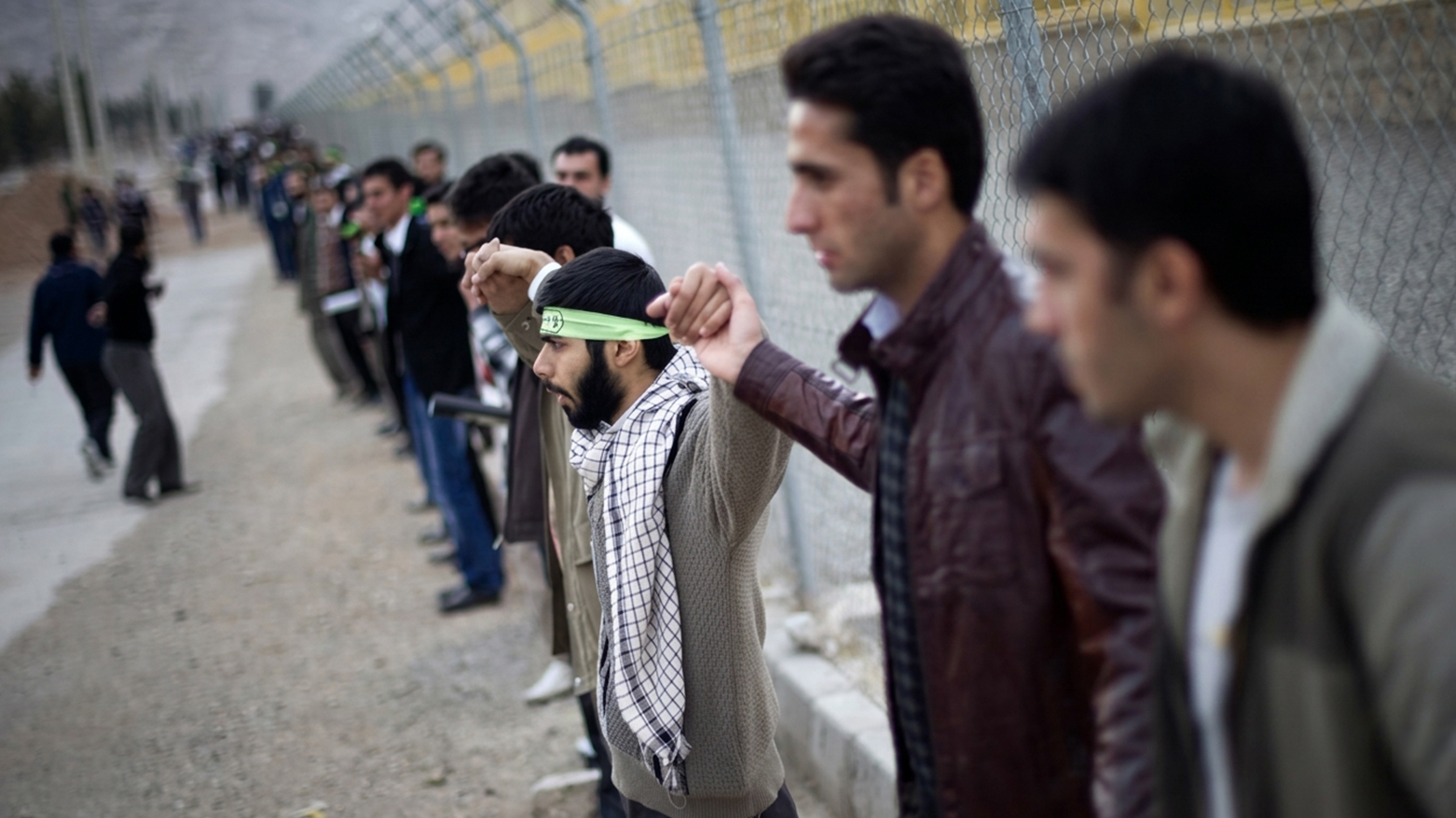
ERBIL (Kurdistan24) — Iranian President Masoud Pezeshkian on Tuesday declared that millions of Iranians are prepared to defend the country, as officials escalated calls for civilian mobilization ahead of a looming deadline set by Donald Trump.
In a post on X, Pezeshkian wrote that more than 14 million Iranians had registered their willingness to sacrifice their lives for the nation, adding that he himself remains committed to the same cause.
More than 14 million proud Iranians have so far registered to sacrifice their lives to defend Iran. I too have been, am, and will remain devoted to giving my life for Iran. https://t.co/B9GBHAAEMu
— Masoud Pezeshkian (@drpezeshkian) April 7, 2026
The statement comes as Iranian authorities urge citizens—particularly youth, students, athletes, and academics—to form human chains around key infrastructure, including power plants, in anticipation of potential U.S. strikes.
The move follows warnings from Washington that Iran’s critical infrastructure could be targeted if Tehran fails to comply with demands to fully restore shipping traffic through the Strait of Hormuz by Tuesday evening.
Alireza Rahimi, identified by state media as secretary of the Supreme Council of Youth and Adolescents, reinforced the appeal in a video message, describing power plants as “national assets” belonging to the country’s future generations.
Meanwhile, the Israel Defense Forces (IDF) on Tuesday issued an “urgent warning” to Iranian civilians, advising them to avoid trains and railway lines for a 12-hour period. In a statement published in Farsi on its X account, the IDF cautioned that traveling by rail or being near railway infrastructure could endanger lives.
The advisory, which was disseminated despite widespread internet restrictions in Iran, is set to expire hours before Trump’s 8 p.m. Eastern Time deadline. The U.S. president has warned that failure to meet the ultimatum would result in strikes on Iranian infrastructure, including bridges and energy facilities.
The rapidly intensifying rhetoric and civilian mobilization underscore mounting fears of a broader escalation, as regional actors brace for potential military action tied to the strategic waterway, a vital artery for global energy shipments.
Iran has a history of mobilizing civilians to protect strategic infrastructure during periods of heightened regional tension. In November 2011, thousands of Iranian students formed human chains around nuclear facilities, including the Isfahan uranium conversion plant, in response to perceived threats of Western strikes.
State media widely publicized the demonstrations as a patriotic display of civilian readiness to defend critical national assets. Analysts noted that such actions serve both as a deterrent signal to foreign powers and as a tool for internal political messaging, reinforcing government authority and national unity.
The Strait of Hormuz, the waterway at the center of the current U.S. ultimatum, is one of the world’s most strategically important chokepoints for global oil shipments. Roughly a fifth of global oil production passes through the strait, making any disruption a major concern for international markets.
Past confrontations over the strait, including incidents in 2019 involving Iranian naval forces and commercial tankers, have shown how swiftly regional tensions can escalate into broader economic and military risks.
Iranian mobilization efforts also reflect a longstanding pattern of leveraging civilian participation as both a symbolic and practical measure. Human chains, public rallies, and volunteer paramilitary formations have historically been promoted during crises to project resilience, reinforce nationalistic narratives, and deter potential attacks on key infrastructures.
Such measures, while largely symbolic, signal Tehran’s intent to frame foreign threats as not just strategic challenges but existential ones that engage the entire population.