US, Iran Reach Draft 60-Day Ceasefire Extension Deal Pending Trump Approval
US sources confirmed earlier Axios reporting that negotiators had reached a memorandum of understanding aimed at extending the ceasefire and opening talks on Iran’s nuclear program.
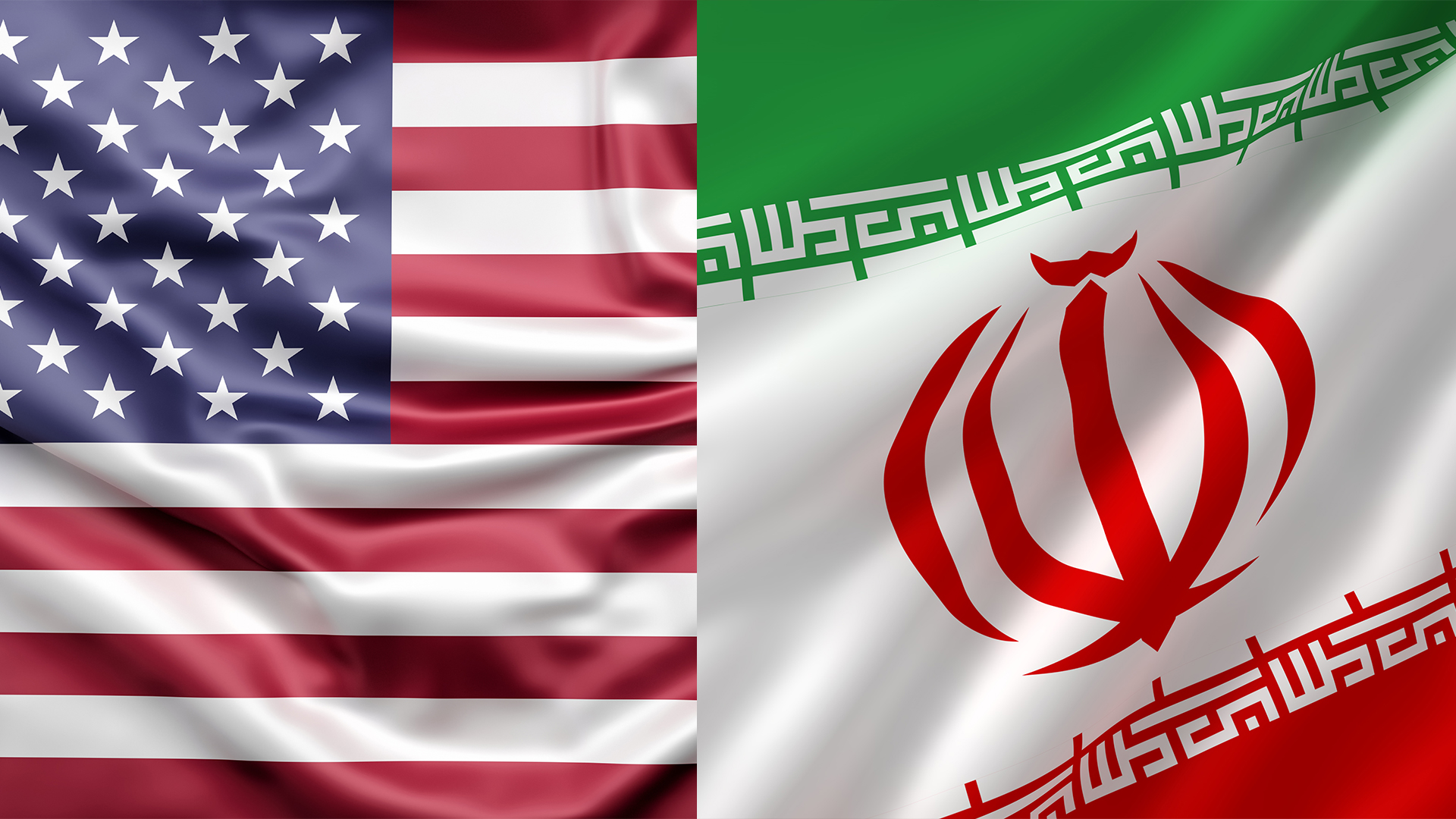
ERBIL (Kurdistan24) - US and Iranian negotiators have agreed on a framework for a 60-day extension of the ongoing Middle East ceasefire, though the deal is still awaiting approval from US President Donald Trump, according to US sources cited by AFP on Thursday.
The reported breakthrough comes amid renewed tensions between Washington and Tehran, with both sides accusing each other of violating the fragile truce that followed three months of conflict triggered by US-Israeli strikes on Iran.
US sources confirmed earlier Axios reporting that negotiators had reached a memorandum of understanding aimed at extending the ceasefire and opening talks on Iran’s nuclear program.
According to Axios, the proposed agreement stipulates that shipping through the Strait of Hormuz would remain unrestricted, without tolls or interference. Iran would also be required to clear all naval mines within 30 days, while the United States would lift its naval blockade on Iranian ports if commercial maritime traffic is fully restored.
However, Iran’s Tasnim news agency, citing a source close to Tehran’s negotiating team, reported that the text had not yet been finalized. Iranian officials reportedly stressed that any agreement would only be considered complete once formally announced by Tehran, not unilaterally by Washington.
The reports surfaced days after the most serious exchange of fire since the ceasefire began in April, raising concerns over the future of diplomatic efforts to end the conflict.
The escalation also involved Kuwait, a key US ally hosting American troops, which accused Iran of carrying out a “dangerous escalation.”
US strikes on the southern Iranian port city of Bandar Abbas prompted Iran to target what state broadcaster IRIB described as “the American airbase that served as the source of the attack,” citing Iran’s Islamic Revolutionary Guard Corps (IRGC).
While the Guards did not specify the location, Kuwaiti authorities said their air defenses responded to incoming missiles and drones. Kuwait’s foreign ministry later condemned what it called “criminal Iranian attacks” targeting the country’s territory
The US Central Command described the Iranian action as “an egregious ceasefire violation.”
Iranian state media also reported that Iranian forces had fired on four ships attempting to transit the Strait of Hormuz without authorization. Iran has maintained a blockade on the strategic waterway since the conflict erupted on Feb. 28.
US forces said they intercepted five attack drones in and around the strait and thwarted the launch of a sixth drone from a ground control station near Bandar Abbas.
Iranian Foreign Ministry spokesman Esmaeil Baqaei accused Washington of violating the truce, while a US official told AFP that American actions had been “measured” and intended to preserve the ceasefire.
Meanwhile, Iran’s Revolutionary Guards warned on Thursday that any renewed attacks would be met with a “firm response.”