IRGC Signals End of Restraint, Threatens U.S. Interests and Regional Infrastructure
“America’s partners in the region must know that until today, we have restrained ourselves for the sake of good neighborliness… however, we are now lifting the immunity provided by our previous tolerance. Our focus will be solely on the targets and on seeking revenge,” IRGC said.
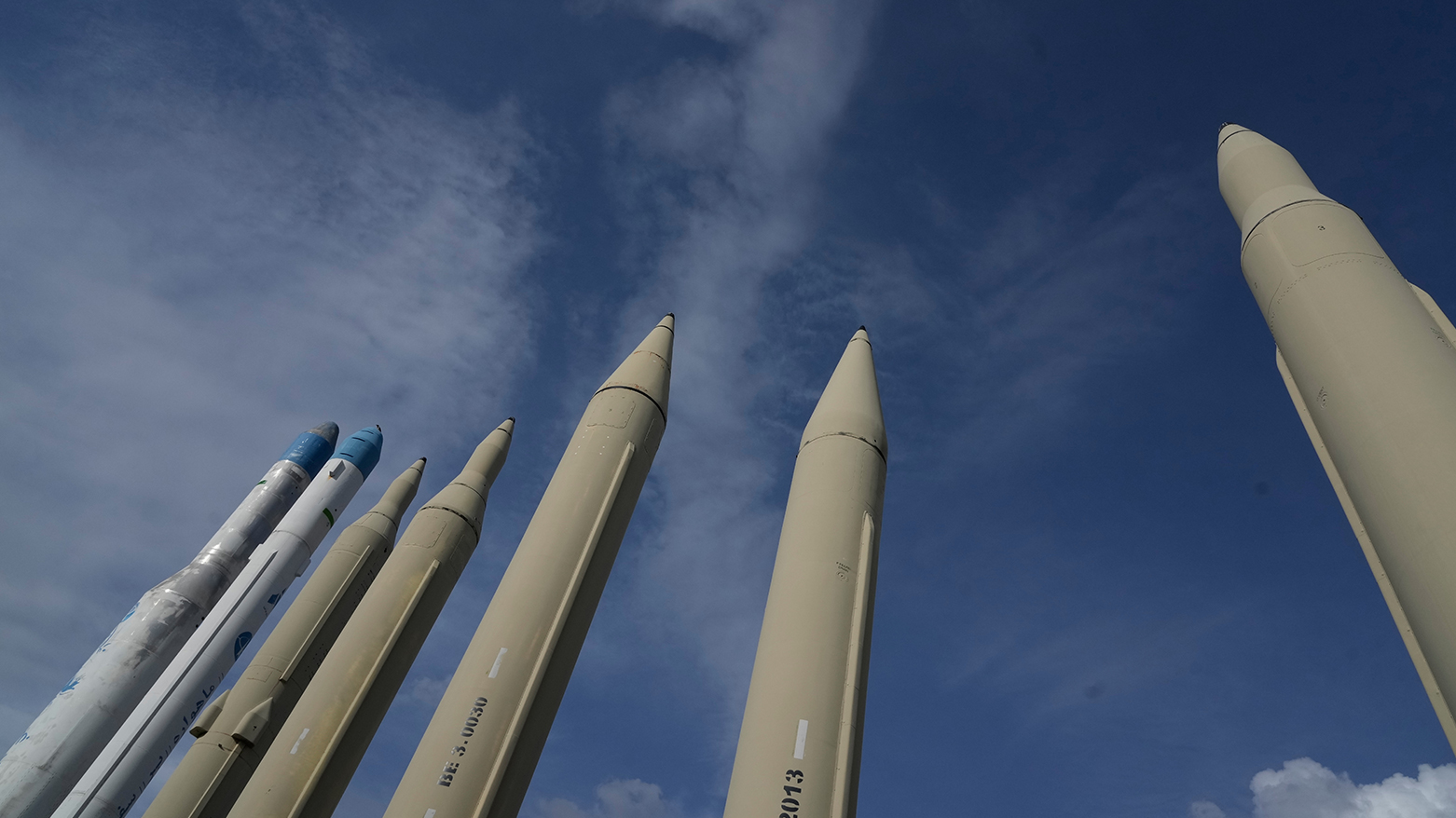
ERBIL (Kurdistan24) - The Iranian Revolutionary Guard Corps (IRGC) issued a stern warning to neighboring countries on Tuesday, signaling an end to what it described as a period of “self-restraint” and threatening infrastructure and interests linked to the United States and its regional allies.
“Our self-restraint has come to an end,” the IRGC said in a statement. “America’s partners in the region must know that until today, we have restrained ourselves for the sake of good neighborliness… however, we are now lifting the immunity provided by our previous tolerance. Our focus will be solely on the targets and on seeking revenge.”
The announcement follows continued tensions involving the United States, Israel, and Iran, with Tehran rejecting temporary ceasefire proposals and maintaining firm conditions on the reopening of the Strait of Hormuz.
Iran’s Ambassador to Pakistan, Reza Amiri-Moghaddam, said Tuesday that Pakistan’s efforts to halt hostilities are approaching a “decisive and sensitive stage,” according to a post on the social media platform X.
The ambassador added that Tehran has consistently demanded a final end to the conflict and assurances that a resumption of hostilities will not occur, rejecting temporary ceasefires as insufficient.
Esmaeil Baqaei, spokesperson for Iran’s Ministry of Foreign Affairs, emphasized Monday that a short-term pause in fighting would provide the American side an opportunity to regroup militarily.
“A temporary ceasefire represents a short pause for reorganization and the commission of new crimes; no rational person would accept this,” Baqaei said at a press conference.
Reuters cited senior Iranian officials noting that Tehran will not restore freedom of navigation through the Strait of Hormuz in exchange for a temporary cessation of hostilities.
The Iranian position includes proposals for a new framework for the strait, potentially involving joint management with Oman.
Reports from Iran’s Nour News agency indicated that all vessels, including those from friendly countries, would be required to pay a “security tax” for safe passage.
“Permission for safe passage will not be granted even to friendly countries if they do not pay the security tax, and no country will be exempt from this decision,” a source told the agency.
These developments come as U.S. President Donald Trump issued repeated threats against Iran in recent days, including the potential destruction of bridges and energy facilities if demands regarding the Strait of Hormuz are not met.
Trump had set a deadline for Tuesday evening to reach an agreement, though the White House noted Monday that the United States is still reviewing proposals for a 45-day ceasefire put forward by mediators. Trump has not formally approved the plan.
In a separate move, Iran has formally filed a complaint against the U.S. President at the United Nations.
Amir Saeid Iravani, Iran’s Ambassador and Permanent Representative to the UN, submitted a letter to the Security Council accusing Washington of supporting “terrorism” inside Iran.
The letter referenced a Fox News interview with Trump on Apr. 5, in which he stated that the United States provided weapons to groups inside Iran during protests in January 2026.
Iravani said these actions violated the UN Charter and international law, describing them as “state sponsorship of terrorism” under Security Council Resolution 1373. He held the United States fully responsible for losses incurred during the protests and called for a formal condemnation of U.S. actions by the Security Council.
The IRGC warning to neighboring countries and Tehran’s rejection of temporary ceasefire proposals occur against the backdrop of ongoing U.S.-Israel-Iran tensions. Previous reports have highlighted a series of exchanges, including U.S. threats against Iranian infrastructure and continued mediation efforts by regional actors.
According to Iranian statements, the country’s defensive posture is coupled with strict demands for guarantees regarding the Strait of Hormuz, reflecting an insistence on both sovereignty and regional leverage.
Regional countries, including Pakistan, are positioned as active intermediaries in the ongoing conflict.
Amiri-Moghaddam’s remarks highlight the diplomatic engagement underway, emphasizing the “decisive phase” of efforts to halt hostilities. Iranian officials have repeatedly underscored the need for a final settlement rather than temporary measures, signaling a firm approach to negotiations while preparing for potential escalation.
The IRGC statement, issued hours after Amiri-Moghaddam’s comments, underlines Iran’s intensified warnings to regional neighbors.
The message frames the current posture as a shift from prior restraint to active targeting of U.S. interests and regional allies, reflecting heightened tensions in the Gulf region and surrounding areas.
The combination of military warnings, formal complaints to the United Nations, and rejection of temporary ceasefires demonstrates Tehran’s determination to assert its position and conditions for any cessation of hostilities.
Officials highlighted that any failure to meet these conditions would carry direct consequences for regional security and U.S.-allied infrastructure.
Iran’s warnings and diplomatic maneuvers mark the latest developments in a period of heightened conflict and negotiations with multiple regional and international stakeholders involved.