Trump Hails ‘Big Day for World Peace’ After U.S.-Iran Two-Week Ceasefire Deal
Fragile truce reopens Strait of Hormuz, pauses escalation, and raises hopes for broader negotiations amid lingering tensions
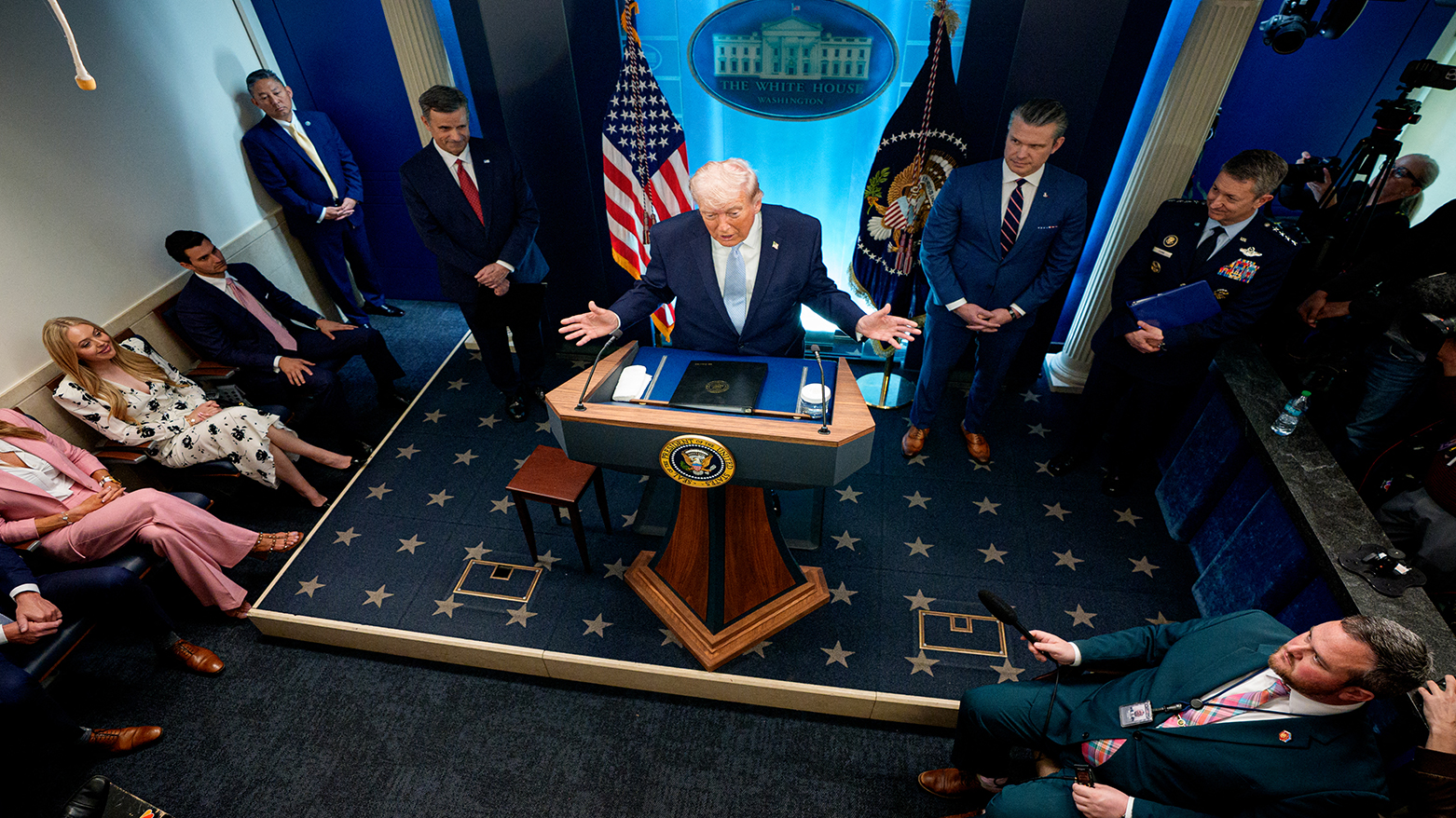
ERBIL (Kurdistan24) — U.S. President Donald Trump on Wednesday hailed what he described as a breakthrough moment for global stability, declaring “a big day for World Peace” after Washington and Tehran agreed to a fragile two-week ceasefire aimed at de-escalating weeks of intense conflict and reopening one of the world’s most critical oil transit corridors.
In a post on Truth Social, Trump said Iran “wants it to happen” and signaled that the United States would play an active role in stabilizing maritime traffic through the Strait of Hormuz, where shipping had been severely disrupted.
He added that Washington would remain present in the area, “loading up with supplies” and ensuring that the agreement holds, while predicting economic gains and even a “Golden Age of the Middle East.”
A last-minute deal to avert escalation
The remarks come less than 24 hours after the United States and Iran reached a provisional two-week ceasefire, brokered through urgent diplomatic intervention led by Pakistan, just hours before a U.S. deadline for major strikes on Iranian infrastructure.
Under the agreement, Iran committed to the immediate and safe reopening of the Strait of Hormuz, a maritime chokepoint through which roughly 20% of global oil supplies pass, while the United States agreed to suspend further large-scale attacks for the duration of the truce.
Iranian officials confirmed that safe passage through the waterway would be coordinated with its armed forces during the two-week period, allowing hundreds of stranded tankers to resume transit after weeks of near-total disruption.
The ceasefire—described by Trump as “double-sided”—is intended to create space for negotiations over a broader settlement, reportedly based on a contested Iranian proposal that includes issues such as sanctions relief, security guarantees, and future governance of the strait.
War backdrop and global stakes
The agreement follows more than a month of escalating war between the United States, Israel, and Iran, during which Tehran effectively shut down maritime traffic through Hormuz in response to coordinated strikes.
The disruption triggered what analysts describe as one of the most severe energy shocks in decades, sending oil prices soaring and halting shipping flows almost entirely.
At the peak of the crisis, tanker traffic through the strait collapsed by over 90%, leaving more than 150 vessels stranded and rattling global energy and financial markets.
The ceasefire announcement prompted immediate market relief, with oil prices falling sharply and global equities rising amid expectations that energy flows would resume.
Uncertain path to a lasting agreement
Despite the optimism expressed by Trump, the deal remains highly fragile. Reports indicate that military activity continued in some areas even after the announcement, underscoring the difficulty of enforcing a ceasefire across multiple theaters.
Key points of contention between Washington and Tehran—including Iran’s nuclear program, missile capabilities, and long-standing sanctions—remain unresolved, with officials cautioning that a durable agreement is far from guaranteed.
Trump, however, framed the moment as a turning point, suggesting that economic cooperation and reconstruction inside Iran could follow if the truce evolves into a broader deal.
“We’ll be… just ‘hanging’ around’ to make sure everything goes well,” he wrote, projecting confidence that the temporary ceasefire could evolve into a more permanent peace arrangement.