Global Leaders Welcome U.S.-Iran Ceasefire, Urge Push Toward Lasting Peace
European and regional officials praise Pakistan’s mediation as focus shifts to sustaining truce and reopening Strait of Hormuz
ERBIL (Kurdistan24) — International leaders on Wednesday broadly welcomed the two-week ceasefire agreement reached between the United States and Iran, describing it as a critical opportunity to halt escalating conflict and lay the groundwork for a more durable diplomatic resolution.
German Chancellor Friedrich Merz on Wednesday said he “welcomed” the breakthrough and praised Pakistan’s role in mediating the agreement, emphasizing that the immediate priority is to translate the temporary halt in fighting into a lasting peace settlement.
He added that Berlin remains in close coordination with its international partners as negotiations move forward.
British Prime Minister Keir Starmer echoed that sentiment, calling the ceasefire a “moment of relief” not only for the region but for the wider world.
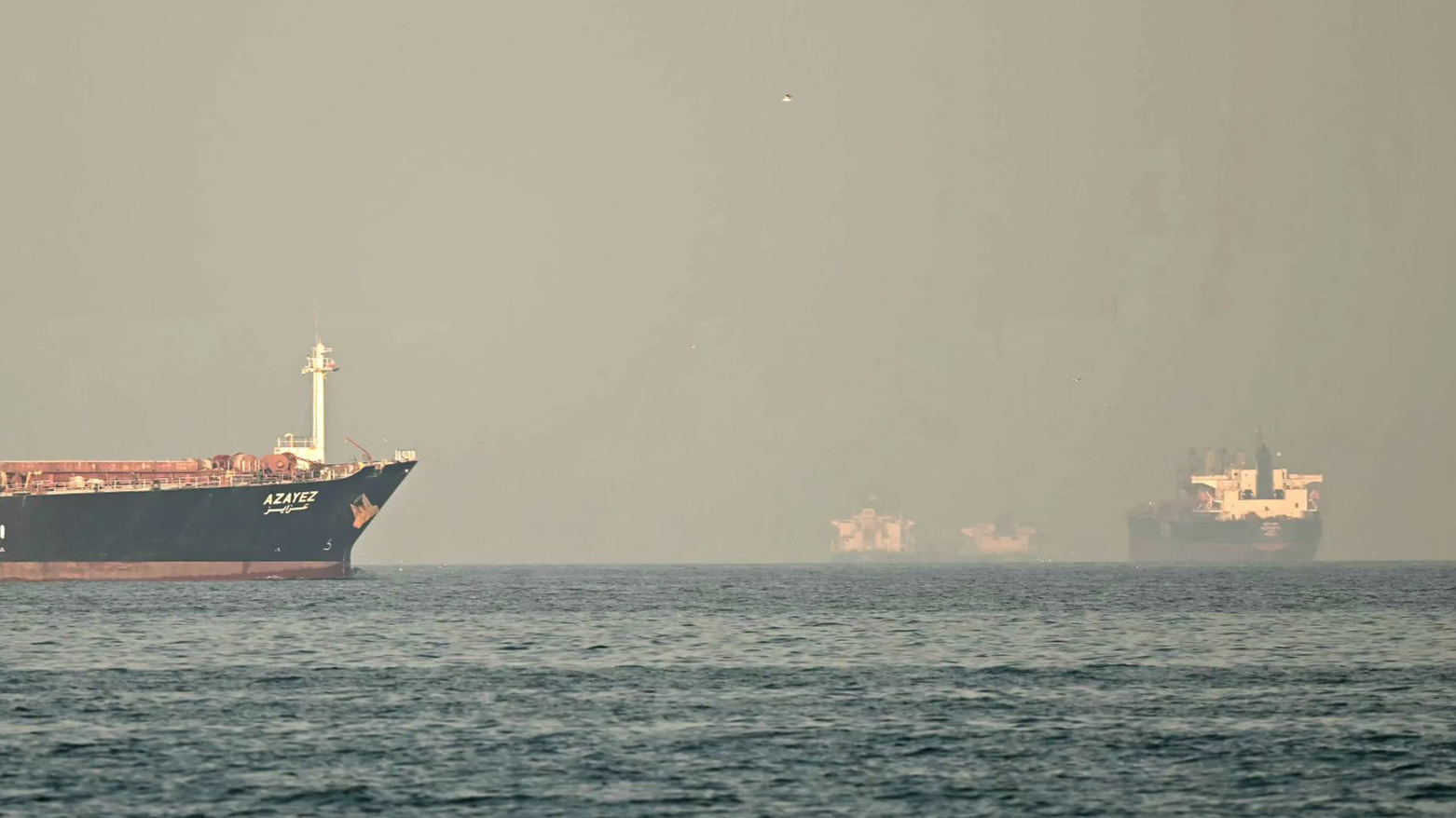
He stressed the need for coordinated international efforts to sustain the truce and ensure the reopening of the Strait of Hormuz, a vital global energy corridor that had been severely disrupted during the conflict.
From Eastern Europe, Ukrainian Foreign Minister Andrii Sybiha welcomed the agreement and highlighted what he described as the effectiveness of U.S. leadership in securing the ceasefire.
He linked the development to broader geopolitical dynamics, arguing that similar decisiveness should be applied to ending Russia’s ongoing war in Ukraine.
Austria’s Foreign Minister Beate Meinl-Reisinger described the ceasefire as an “important breather,” noting that instability in the Middle East carries immediate economic and security repercussions for Europe.
She underscored the urgency of launching negotiations aimed at a diplomatic resolution to prevent further escalation.
In the Middle East, the Oman Ministry of Foreign Affairs also welcomed the announcement, stressing the importance of intensifying diplomatic efforts to address the root causes of the crisis.
In an official statement, Oman called for solutions that would lead to a permanent end to the state of war, reflecting a broader regional consensus on the need for de-escalation.
The ceasefire, reached early Wednesday, followed weeks of heightened confrontation that brought the region to the brink of a wider war. Brokered with key mediation by Pakistan, the agreement halted imminent large-scale military action and included commitments to reopen the Strait of Hormuz, through which a significant share of global oil shipments passes.
While the two-week truce has provided immediate relief to global markets and shipping routes, officials across Europe and the Middle East cautioned that it remains highly fragile.
The agreement is widely seen as a narrow window for diplomacy, with unresolved issues—including security guarantees, sanctions, and regional military activity—still posing major obstacles to a comprehensive settlement.
Nevertheless, the coordinated response from global leaders underscores a shared recognition of the stakes involved. With energy security, trade flows, and regional stability all hanging in the balance, the coming days are expected to test whether the ceasefire can evolve into a sustainable peace framework.