Iran Rejects Limits on Uranium Enrichment Ahead of U.S. Talks as Thousands Honor Khamenei
Tehran signals defiance on nuclear policy while nationwide rallies commemorate slain supreme leader
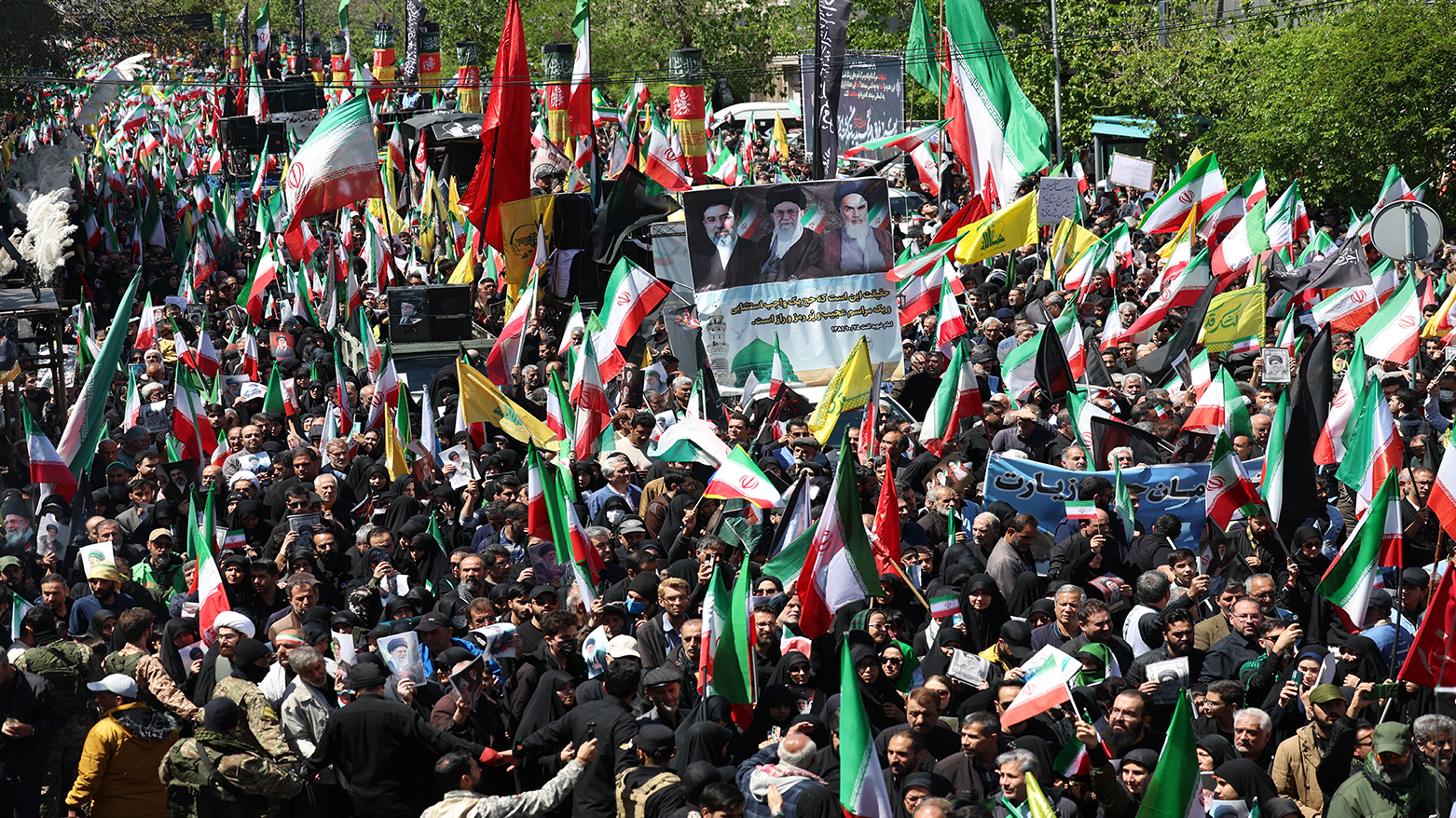
ERBIL (Kurdistan24) — Iran’s nuclear chief on Thursday firmly rejected any restrictions on the country’s uranium enrichment program, dismissing demands from the United States and Israel as unrealistic ahead of renewed talks.
Mohammad Eslami, head of Iran’s atomic energy organization, said calls to curb enrichment “will not come true,” according to remarks carried by the ISNA news agency.
He described such demands as “mere wishes” by Iran’s adversaries, underscoring Tehran’s continued insistence on maintaining its nuclear activities.
His comments come as Iran prepares for high-stakes negotiations with the United States later this week under mediation by Pakistan, part of ongoing efforts to stabilize a fragile ceasefire following weeks of regional conflict.
Meanwhile, thousands of Iranians gathered across the country to commemorate the late supreme leader Ali Khamenei, who ruled for nearly four decades until he was killed in U.S.-Israeli strikes at the outset of the war.
State television broadcast images of large crowds participating in rallies in cities including Tehran, Urmia, and Gorgan, many holding portraits of Khamenei.
The nationwide tribute began at 9:40 a.m., marking the exact time of his death on February 28 at his residence in Tehran, alongside several senior Iranian officials.
Khamenei’s killing marked a turning point that triggered the wider Middle East war, as Iran launched retaliatory strikes against U.S. interests in the Gulf and targeted Israel, rapidly expanding the conflict across the region.
His son, Mojtaba Khamenei, has since succeeded him, though he has remained largely out of public view since before the war and was not expected to attend Thursday’s commemorations.
Due to the ongoing conflict, a formal state funeral for the late leader has yet to be held, reflecting the continued instability facing Iran as it balances internal mourning with mounting external pressures and diplomatic negotiations.
Meanwhile, in Islamabad, the atmosphere has shifted dramatically ahead of the anticipated talks, with authorities imposing a sudden two-day public holiday that has largely emptied the streets under a strict security lockdown.
Behind closed doors, however, diplomatic activity is intensifying as Pakistan hosts the first direct negotiations between Washington and Tehran, seeking to end a weeks-long conflict that has left thousands dead and rattled global stability.
The high-profile mediation effort marks a significant moment for Pakistan, a country more often associated with internal security challenges and economic strain, now positioning itself at the center of a critical geopolitical effort to broker a ceasefire.