Germany’s Chancellor Warns Israeli Offensive in Lebanon Risks Derailing US-Iran Peace Talks
“We view the situation in southern Lebanon with particular concern,” Merz said, cautioning that the intensity of Israel’s operations could cause the broader peace process to collapse. “That must not be allowed to happen.”
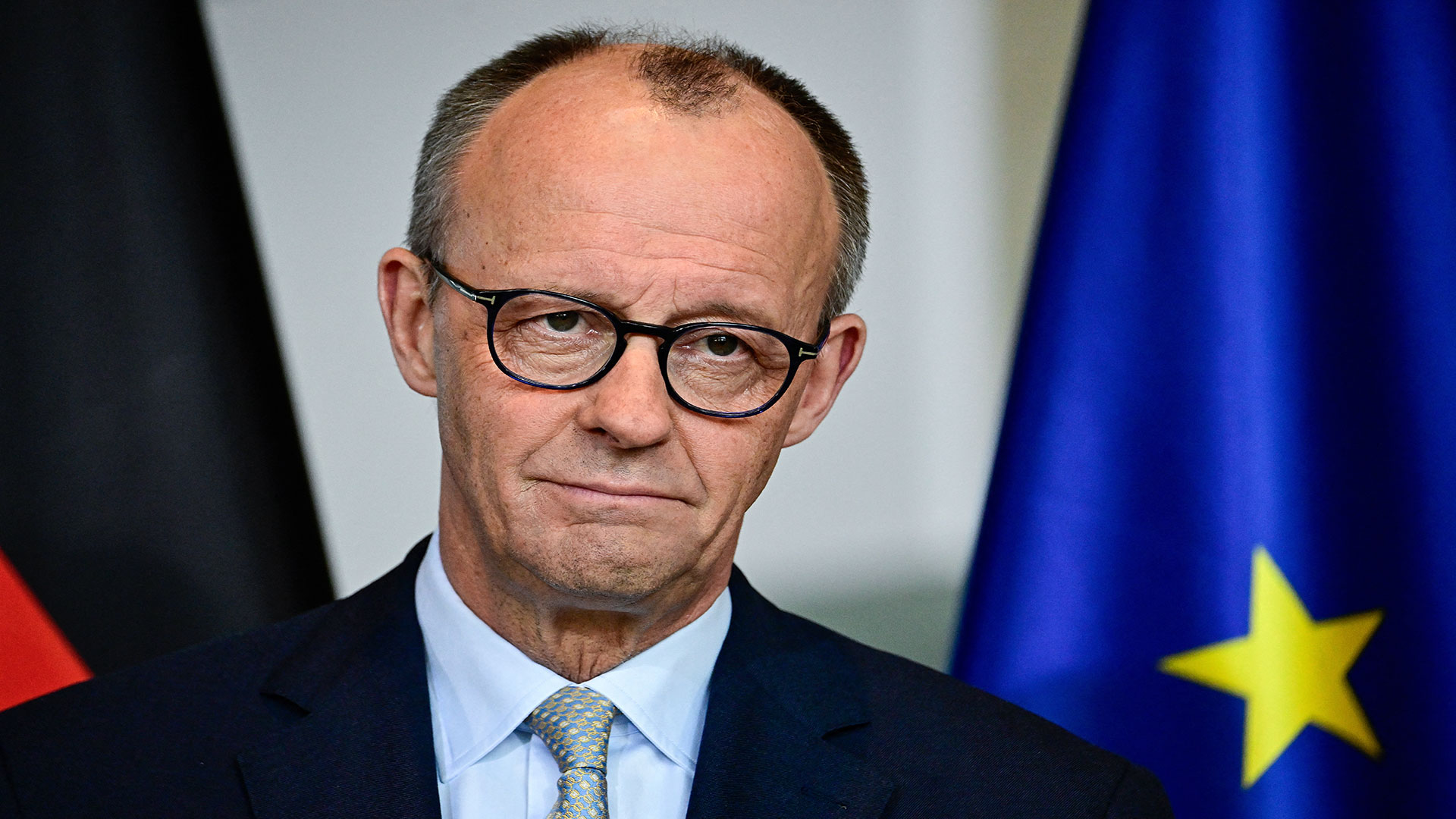
ERBIL (Kurdistan24) – Germany’s Chancellor Friedrich Merz on Thursday warned that Israel’s ongoing military campaign in Lebanon could undermine anticipated peace talks between the United States and Iran aimed at ending the Middle East war.
“We view the situation in southern Lebanon with particular concern,” Merz said, cautioning that the intensity of Israel’s operations could cause the broader peace process to collapse. “That must not be allowed to happen.”
The warning comes as U.S. President Donald Trump announced a two-week truce to facilitate negotiations between American and Iranian officials, claiming progress toward ending the conflict. However, growing calls have emerged to expand the fragile agreement to include Lebanon, where fighting continues.
Lebanon became involved in the conflict after the Iran-backed group Hezbollah launched rocket attacks on Israel following the death of Iran’s supreme leader, Ali Khamenei. In response, Israel carried out a large-scale military campaign, including airstrikes and a ground incursion, which Lebanese authorities say has killed more than 1,500 people.
Merz emphasized that Germany is seeking “a swift end to a military escalation that is increasingly destabilising the Middle East.” He added that Berlin also aims to prevent further strain on transatlantic ties, describing the war as a “stress test” for relations between the United States and its European NATO allies.
The German leader further stressed the importance of restoring stable navigation through the Strait of Hormuz, a critical route for global energy shipments. Iran has agreed to temporarily reopen the waterway as part of the truce, though uncertainty remains over whether vessels are being allowed safe passage.
Merz also confirmed that Germany has resumed diplomatic engagement with Iran after a prolonged hiatus, noting that future talks would be conducted in coordination with Washington and European partners.