Another Sky, Another Sound: A Kurdish Composer’s Work-in-Progress in London
In a London rehearsal space, Kurdish cellist Khabat Abas is shaping a composition not yet finished but already public. At Cafe Oto, its first performance will offer less a debut than a glimpse into a work still becoming, formed through collaboration and revision.
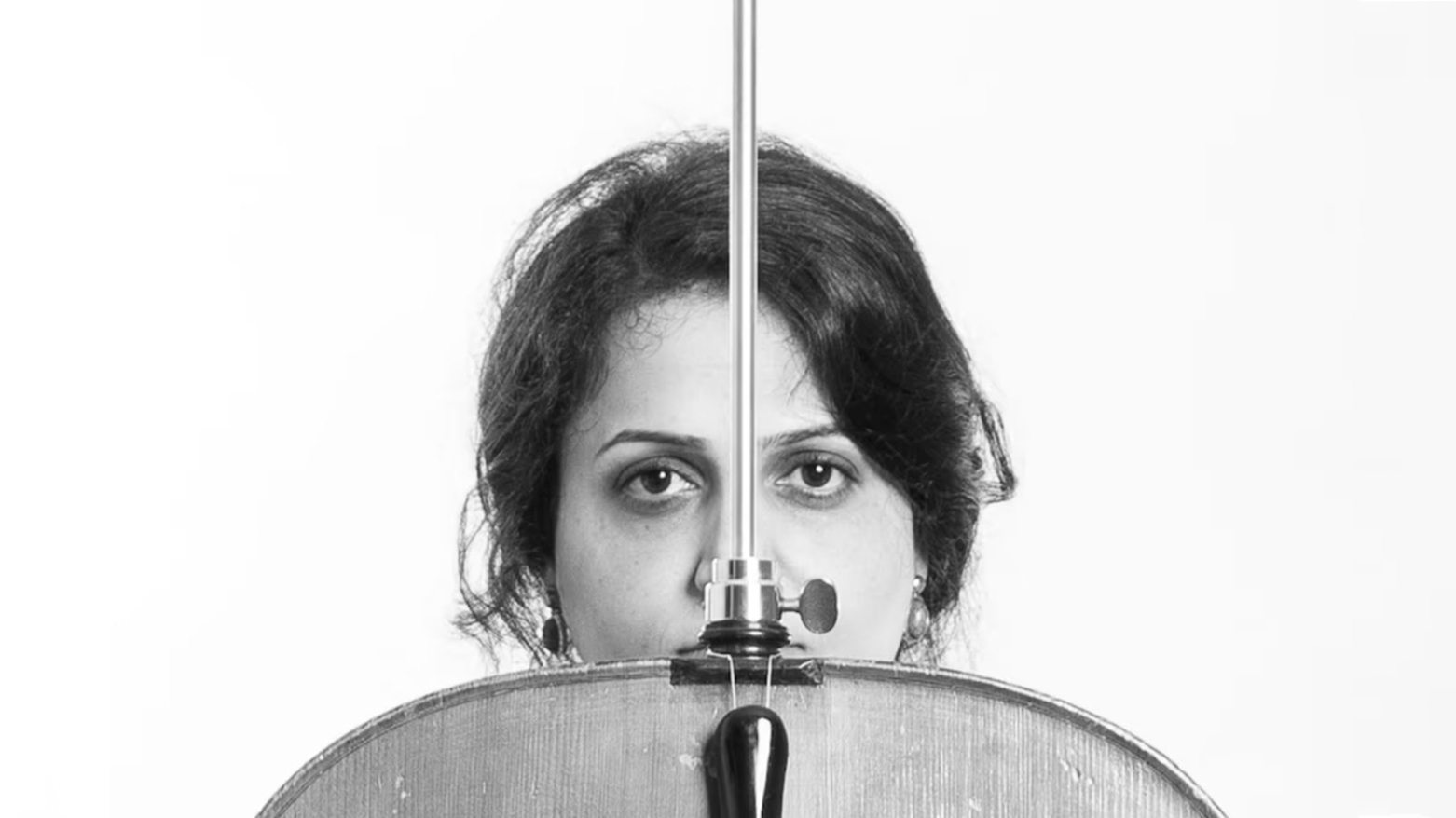
ERBIL (Kurdistan24) - In a rehearsal space tied to London’s experimental music circuit, Kurdish cellist and composer Khabat Abas is preparing a new composition that will receive its first public performance next week at London's Cafe Oto, a venue long associated with avant-garde and experimental sound practices in the British capital.
The performance, scheduled for Apr. 19, 2026, forms part of the “Another Sky” artists in Residence project, an international program that brings together musicians and contemporary artists working across experimental forms.
Khabat, originally from the city of Sulaimani and currently residing in Britain, is among the participating artists presenting new work developed during the residency period.
Speaking to Kurdistan24 on Sunday, Khabat described the project as both a creative and professional inflection point. “With great pleasure, I am participating as one of the artists in the ‘Another Sky’ artists in residence project, which is a special and important opportunity for me,” she said.
She added that the initiative, which brings together a group of established and emerging artists, is structured around the development of new work through collaborative and individual practice.
This model, common in contemporary experimental music and visual arts sectors, typically provides artists with time, resources, and curatorial frameworks to develop new compositions outside conventional production cycles. In this case, Khabat said the environment has facilitated direct collaboration with Kurdish experimental musician Hardi Kurda, with whom she has been working closely during the program.
“During this artistic program, I have worked closely with the Kurdish artist Hardi Kurda, who is known as one of the experimental and contemporary musicians,” she said. “This collaboration has been an important avenue for exchanging ideas and creating a new joint work.”
While details of the composition remain in development, Khabat confirmed that she will present a newly composed piece created specifically within the framework of the residency. She described the work as being performed publicly for the first time in London, noting that it remains in a process of refinement.
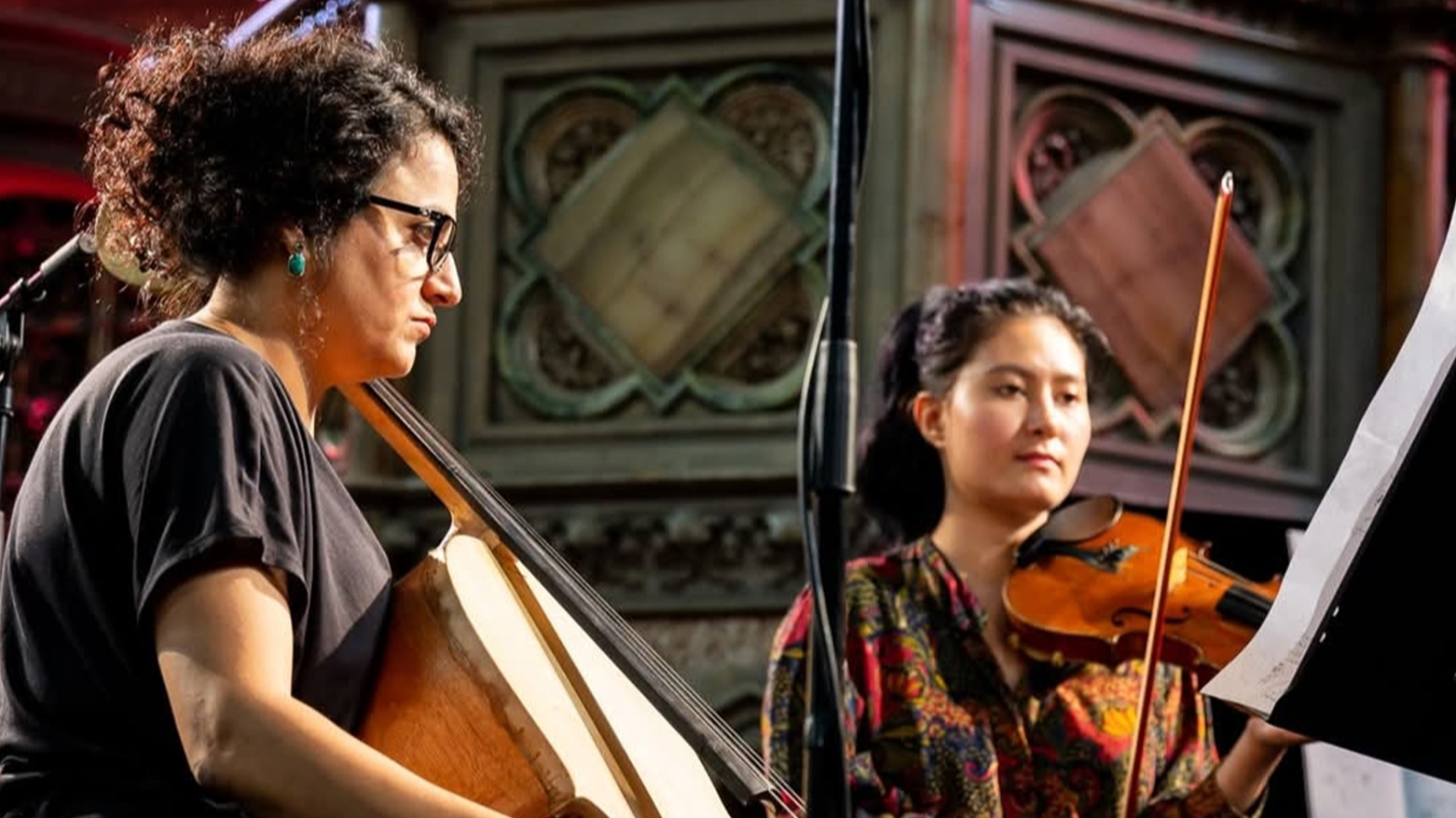
“I am participating in this concert with a new project,” she said. “I have prepared a piece of music that I composed myself and was created within the framework of the ‘Another Sky’ project. I will present it as an initial performance for the first time. Moreover, this work is a special part of this project and is still in the development and refinement stage.”
The setting for the performance, Cafe Oto, occupies a distinctive position within London’s contemporary music ecosystem. Known for programming that prioritizes improvisation, experimental composition, and cross-disciplinary sound practices, the venue has become a reference point for artists working outside mainstream commercial structures.
The planned concert situates Khabat’s work within this institutional context, where premieres and works-in-progress are often presented as part of evolving artistic processes rather than finalized productions.
Khabat also emphasized the broader intent behind the concert, framing it as part of a collective artistic gathering rather than an isolated presentation.
“This international concert will be a special gathering for lovers of music and new art,” she said, adding that it also represents “an opportunity to see a new stage in the development of my works, as I constantly strive to innovate in music.”
The participation of Kurdish artists in international experimental music programs reflects a broader pattern of cultural mobility among musicians from the Kurdistan Region who are based abroad.
While such participation varies widely in form and institutional backing, residencies and collaborative projects have become increasingly central to how contemporary composers and performers circulate within global experimental music networks.
In Khabat’s case, her trajectory includes prior participation in international concerts and the production of original musical scores. According to biographical information, she has developed multiple compositions and has previously engaged in performances outside Kurdistan Region, building a portfolio that spans both solo work and collaborative projects.
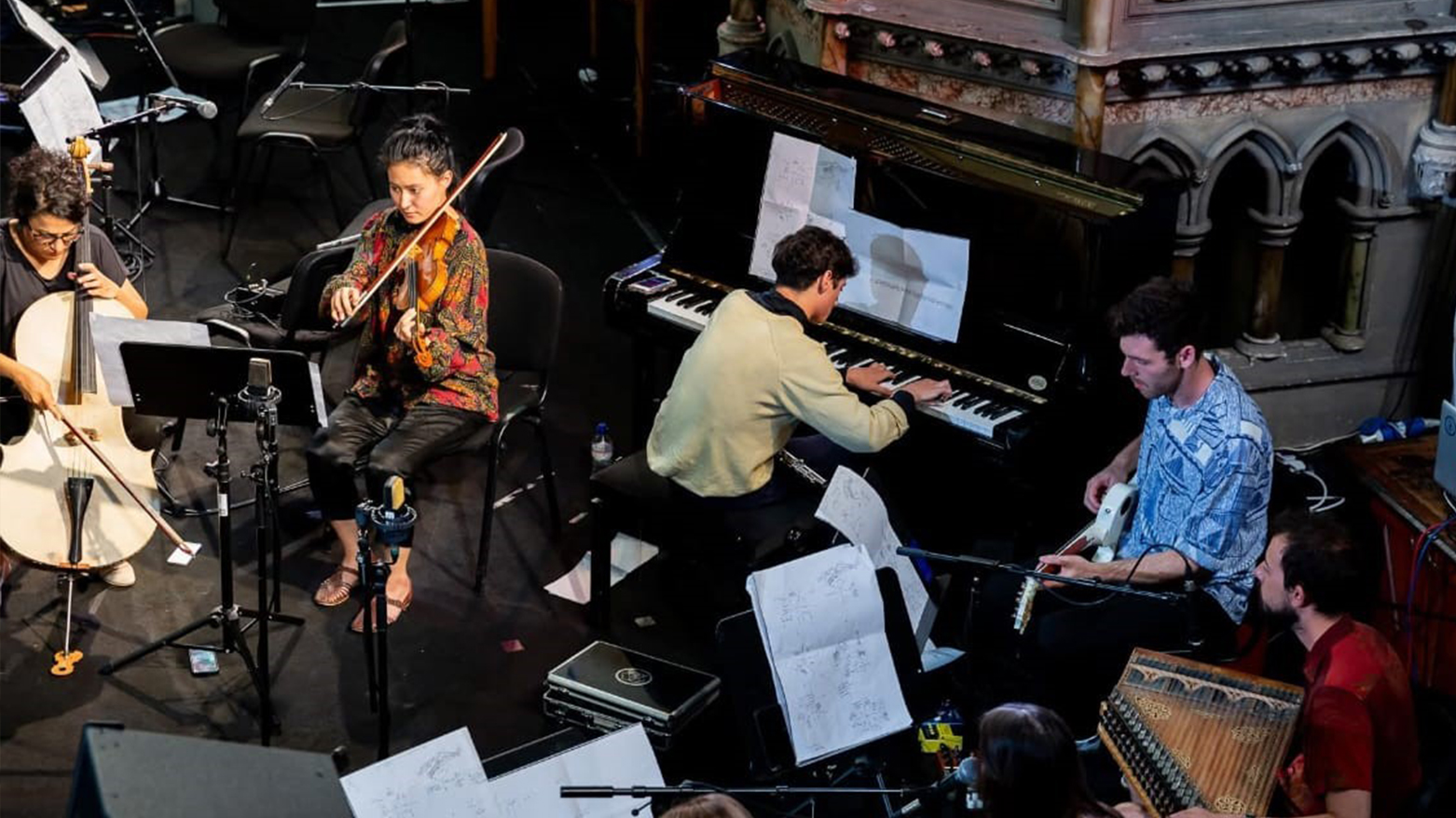
Her collaboration with Hardi Kurda during the “Another Sky” project situates the project within a shared Kurdish experimental music context, though filtered through an international framework in London.
Kurda, identified by Khabat as an experimental and contemporary musician, has worked across sound practices that emphasize non-traditional structures and exploratory composition, aligning with the broader aesthetic orientation of the residency.
The project itself is described as an initiative aimed at supporting and developing new artistic production, bringing together a group of artists selected for their engagement with contemporary and experimental forms.
Such programs often function as both production spaces and curatorial platforms, where works are shaped through interaction between artists, mentors, and institutional frameworks.
For Khabat, who resides in Britain after originating from Sulaimani, the project appears to function as a space for both artistic experimentation and professional consolidation within an international setting.
Her remarks suggest an emphasis on process over finished output, with the forthcoming performance serving as a first public articulation of a work still undergoing development.
As the April 19 concert approaches, the presentation at Cafe Oto will mark the public debut of the composition within a setting that privileges experimentation and evolving forms.
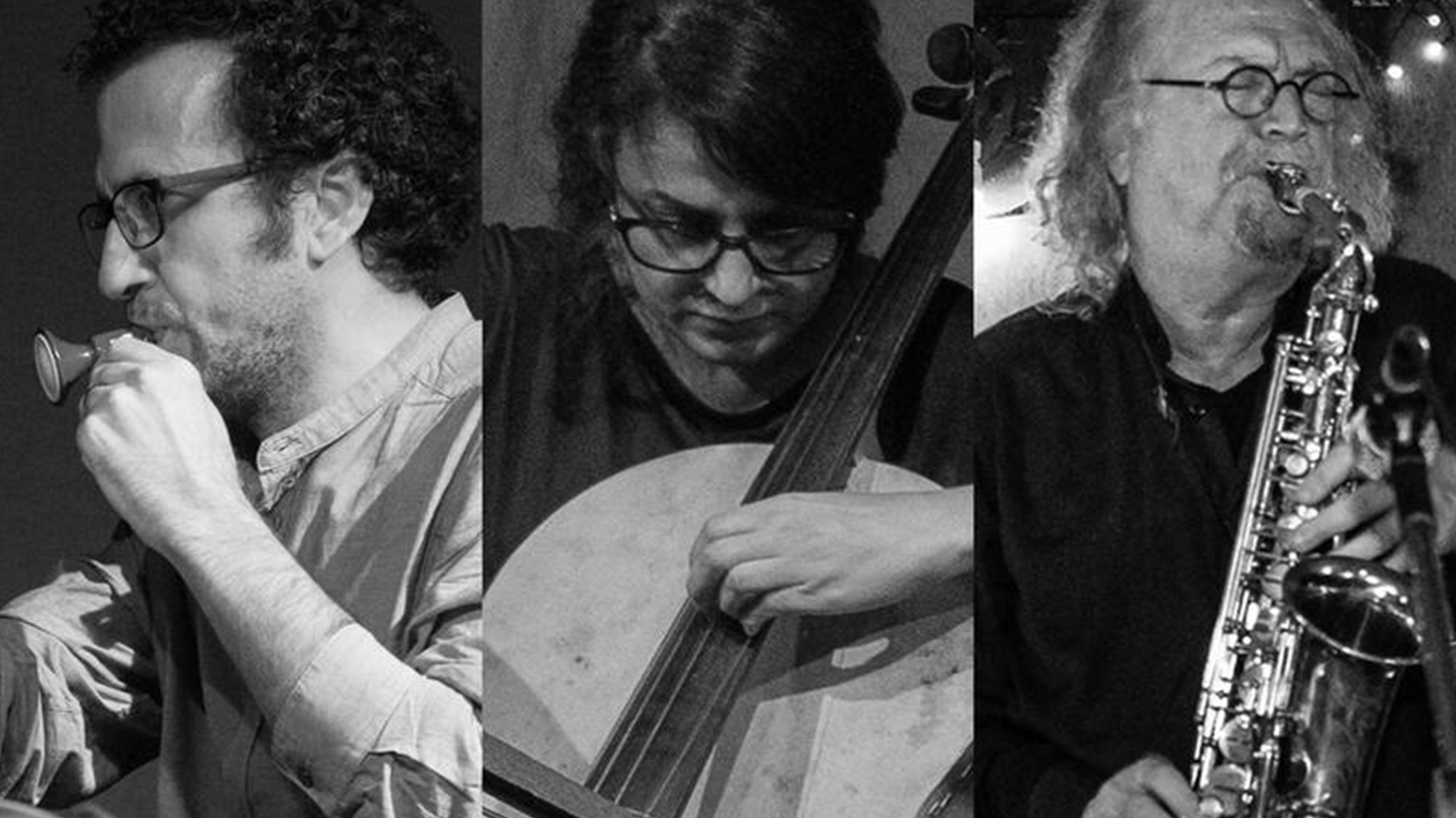
While the final structure of the piece has not been disclosed, its framing within the residency underscores a broader dynamic in contemporary music practice: works are increasingly presented as stages within longer creative processes rather than fixed endpoints.
In that sense, Khabat’s participation in “Another Sky” reflects both an individual artistic moment and a broader institutional pattern in which residencies function as sites of production, collaboration, and gradual public unveiling.
The performance in London will, according to her description, offer an initial encounter with a work still in formation—one that continues to develop beyond its first public appearance.
Germian Gelli, Kurdistan24's Arts section correpondent, contributed to this report.