From the Ashes of War, Tehran's First Post-War Symphony Orchestra Concert
Iran's cultural sector attempts a fragile return to life as the Tehran Symphony Orchestra stages its first concert since the conflict, even as deep structural wounds go unaddressed.
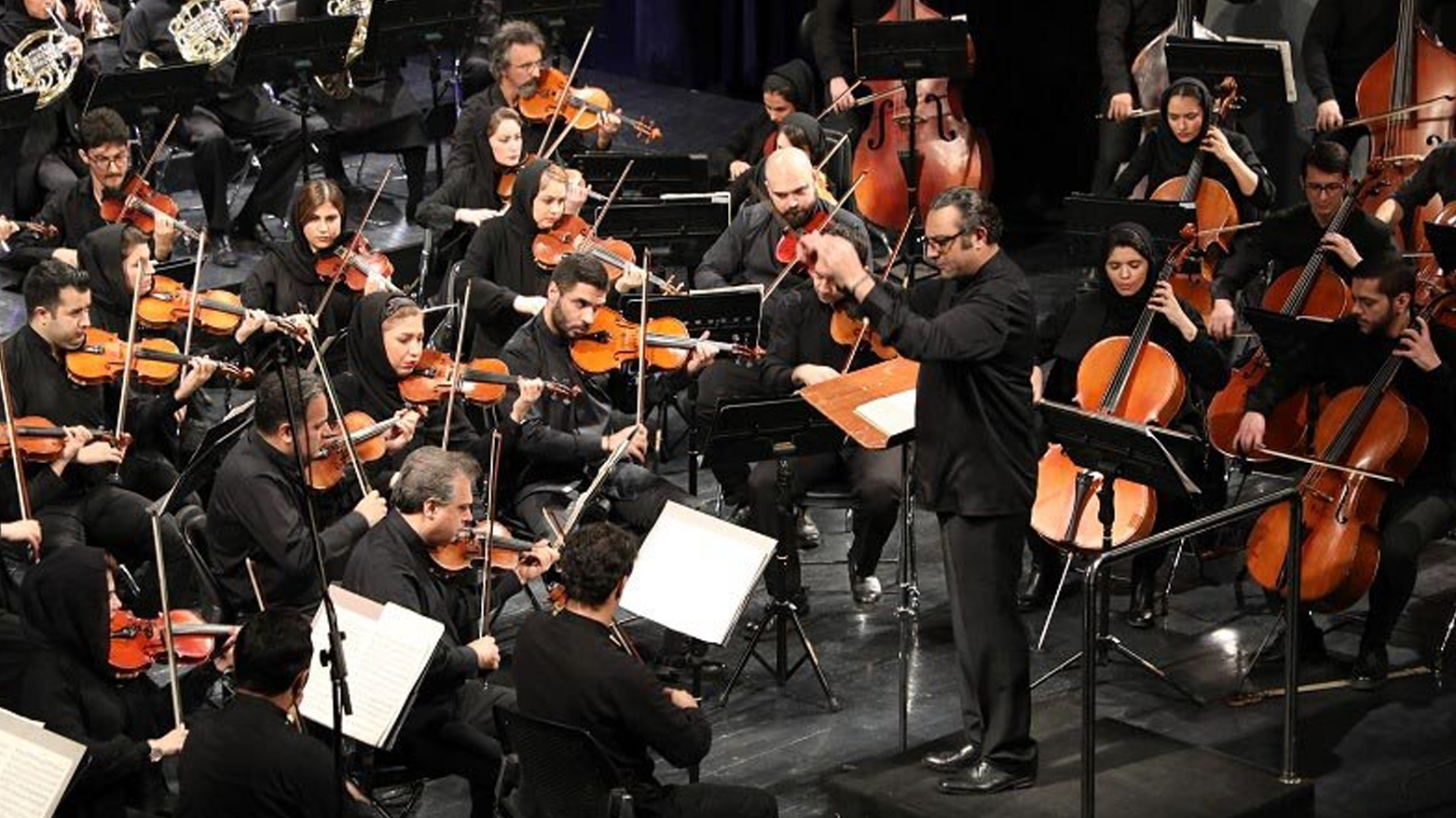
ERBIL (Kurdistan24) - The violins had barely fallen silent when the applause broke out, tentative at first, then sustained, as if the audience itself was testing whether joy was still permitted. In a Tehran still bearing the scars of war, the Tehran Symphony Orchestra took the stage for its first concert since the devastating conflict with the United States and Israel, offering what organizers framed as a gesture of resilience and a reminder that life, even in its most bruised form, endures.
Mehdi Shafiei, deputy minister of culture of Iran, spoke publicly about the significance of the performance. "Art has always had an important place in Iran, especially during times of crisis and war," he said. "Art serves as a primary tool for strengthening resilience, hope, and social cohesion."
The concert arrives after a prolonged period of paralysis across Iran's cultural sector — venues shuttered, productions suspended, budgets hollowed out by the pressures of conflict. For Tehran, the event carries a dual ambition: to rekindle some measure of economic activity in the arts and to restore a sense of vitality to a society worn down by the consequences of war.
For at least one attendee, the evening carried a weight that went beyond the musical program. "I believe art is a powerful tool that helps us endure difficult times," the concert-goer told Kurdistan24. "This music reminds us that life, despite its ups and downs, even in moments of chaos, still has its own beauty."
Yet behind the carefully staged symbolism of the evening, Iran's music sector is contending with accumulated wounds that a single concert cannot heal.
Mohsin Rajabpour, a music producer, offered a sharply critical counterpoint, directing pointed criticism at the government and noting that music was not merely a casualty of the recent conflict.
He said that for years, financial neglect and the absence of adequate budgets had already pushed investors in the sector to the brink of serious loss.
Rajabpour's remarks cut to a deeper fault line: that the structural crisis facing Iranian cultural life predates the war and will outlast any single performance, however symbolically potent.
Staging this concert in the midst of Iran's current economic and social turbulence, observers note, amounts to a severe test of whether art can truly rise above the noise of destruction, or whether it remains, for now, a fragile and contested comfort in a country still counting its losses.