Oman Urges Continued U.S.-Iran Talks as Islamabad Negotiations End Without Deal
“I urge that the ceasefire be extended and talks continue,” al-Busaidi wrote on X, emphasizing that while progress may require “painful concessions,” it would be far less costly than a return to war.
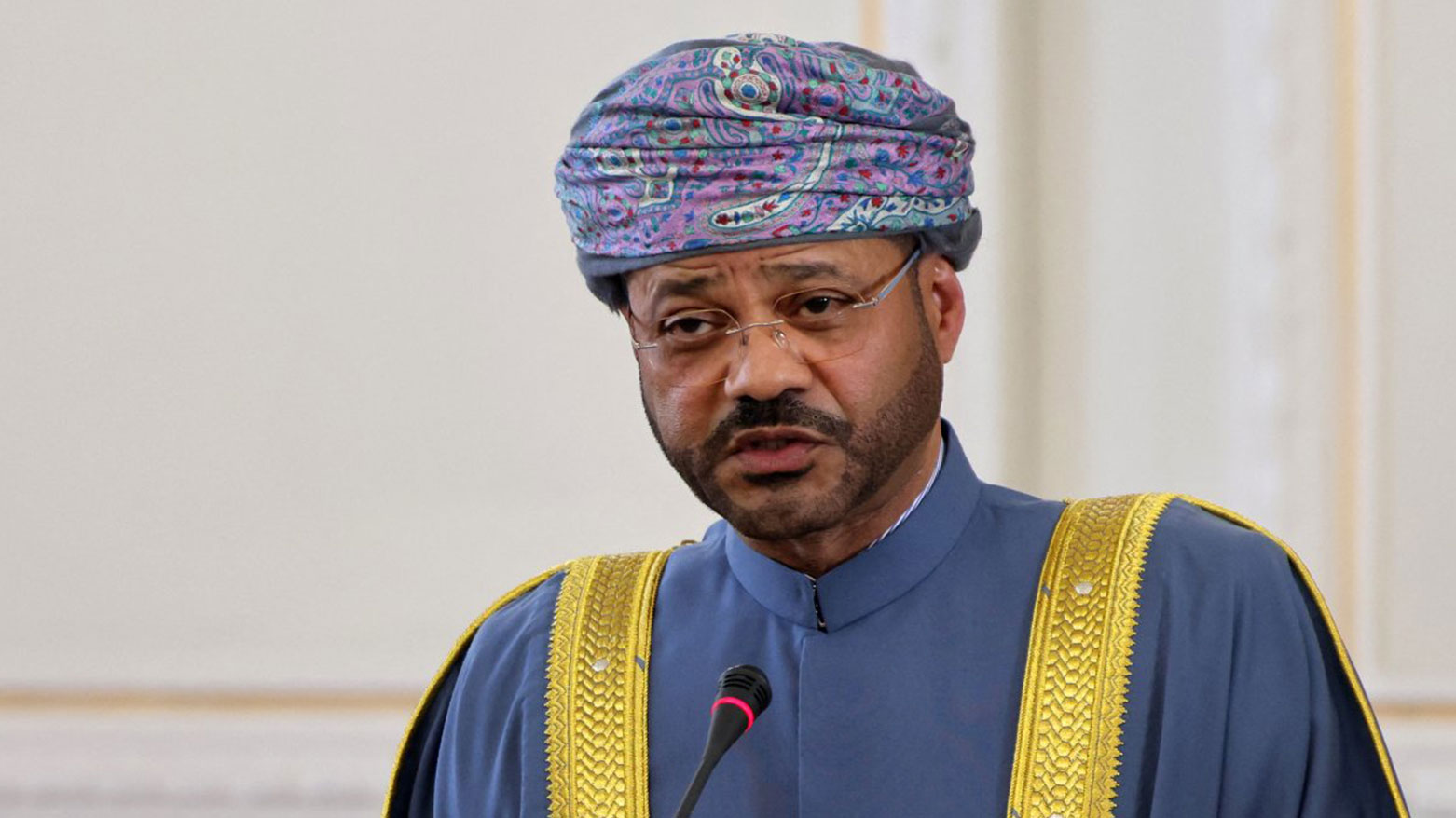
ERBIL (Kurdistan24) — Badr al-Busaidi, Minister of Foreign Affairs of Oman, on Sunday called for extending the ceasefire and continuing negotiations between the United States and Iran, hours after high-stakes talks in Islamabad ended without an agreement.
“I urge that the ceasefire be extended and talks continue,” al-Busaidi wrote on X, emphasizing that while progress may require “painful concessions,” it would be far less costly than a return to war.
The latest round of negotiations, held in Pakistan, brought together senior officials from United States and Iran for 21 hours of direct, face-to-face discussions—marking the first engagement of its kind at this level since 1979. Despite the lengthy talks, both sides left without resolving major disputes.
U.S. Vice President JD Vance said Washington’s proposals were rejected, stating that Tehran “chose not to accept our terms,” particularly its refusal to commit to abandoning the development of nuclear weapons.
A central sticking point remains the status of the Strait of Hormuz. The United States has demanded its immediate reopening, while Iran insists any move on the vital waterway must be part of a comprehensive final agreement.
Tensions escalated further after Donald Trump announced the initiation of a U.S. naval blockade of the strait in response to Iran’s position.
“Effective immediately, the United States Navy, the finest in the world, will begin the process of blockading any and all ships trying to enter or leave the Strait of Hormuz,” Trump said in a post on Truth Social.
The failure of the Islamabad talks underscores the deep divisions between the two sides, raising concerns about the durability of the current ceasefire and the risk of further escalation in the region.