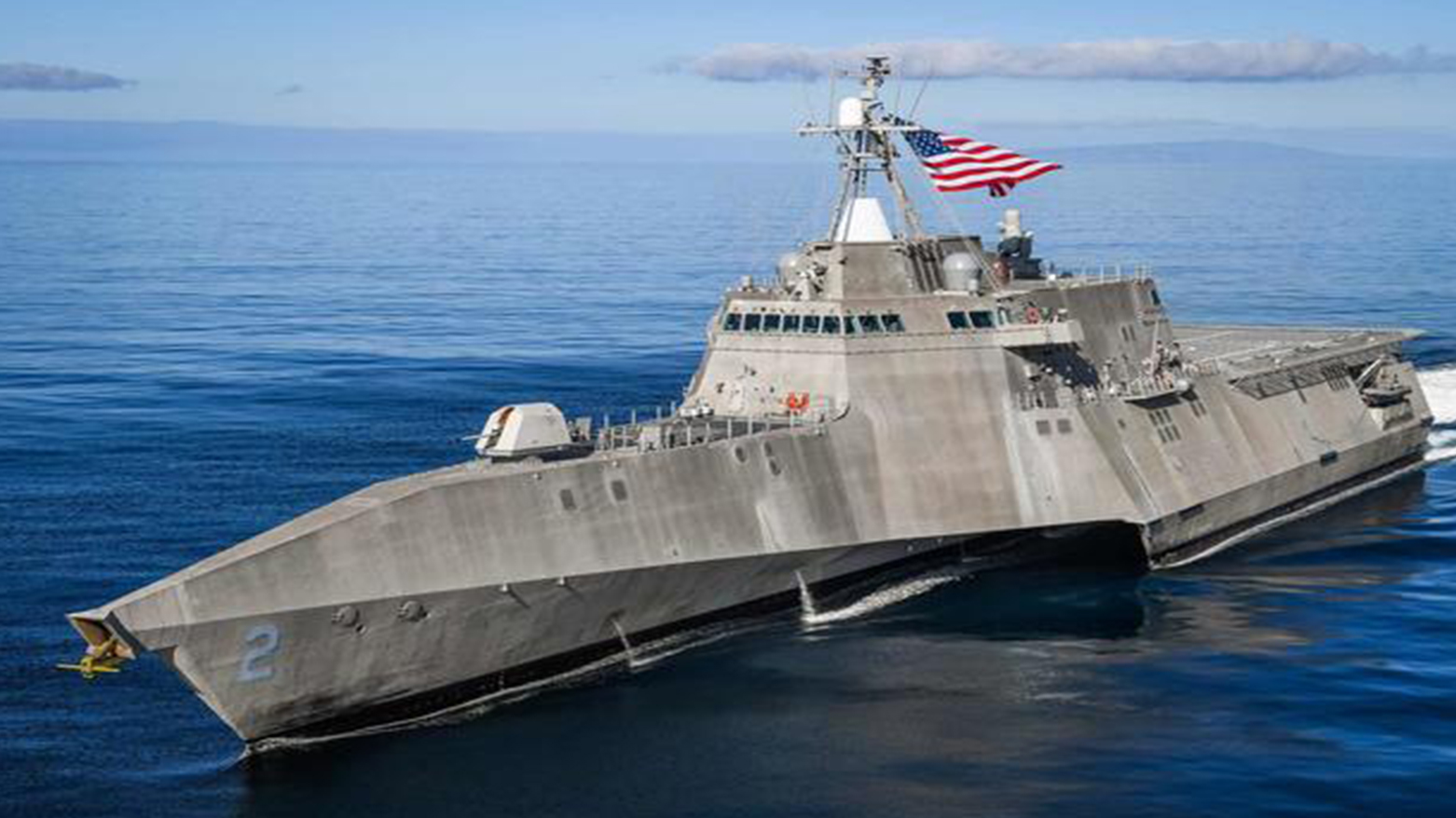
CENTCOM to Enforce Maritime Blockade on Iranian Ports Starting April 13 Following Presidential Directive
CENTCOM says measure targets all vessels entering or exiting Iran while maintaining navigation through the Strait of Hormuz
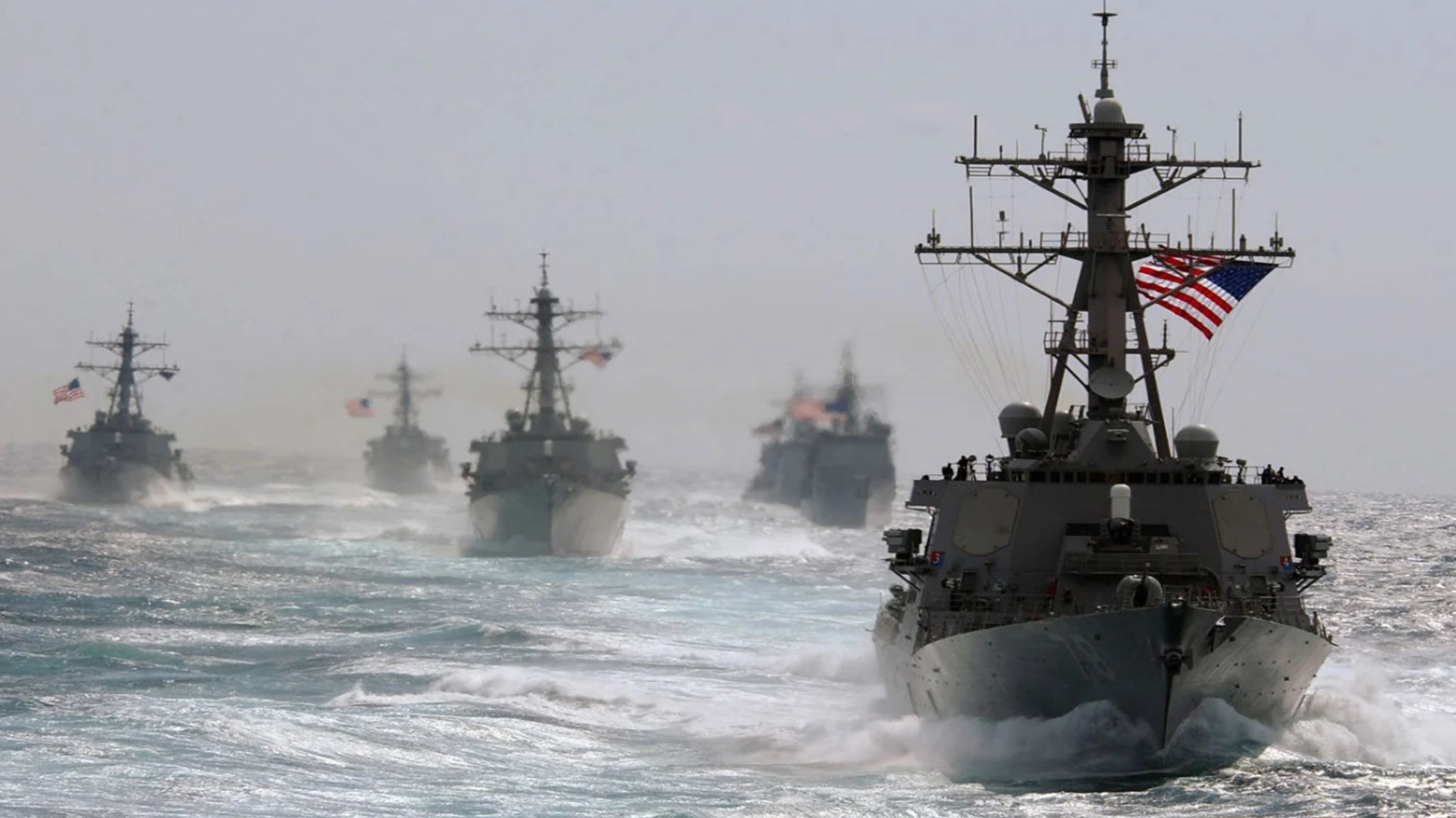
ERBIL (Kurdistan24) — The U.S. Central Command (CENTCOM) on Monday announced it will begin enforcing a maritime blockade on all ships entering or exiting Iranian ports starting April 13 at 10 a.m. ET, following a presidential directive, marking a significant escalation in tensions between Washington and Tehran.
According to the statement issued from Tampa, Florida, the blockade will apply to vessels of all nationalities operating in Iranian territorial waters, including ports along the Arabian Gulf and the Gulf of Oman.
CENTCOM emphasized that enforcement will be carried out “impartially,” signaling a broad operational scope that could disrupt commercial shipping linked to Iran.
However, U.S. forces clarified that the blockade will not interfere with international navigation through the Strait of Hormuz, a critical global oil transit chokepoint through which a substantial portion of the world’s energy supply flows.
Ships transiting to and from non-Iranian ports will be allowed to pass without obstruction.
Maritime operators have been advised to closely monitor official Notice to Mariners broadcasts and maintain communication with U.S. naval forces, particularly via bridge-to-bridge channel 16 when navigating the Gulf of Oman and approaches to the Strait of Hormuz.
Additional operational guidance is expected to be released prior to the enforcement deadline.
The move comes amid heightened geopolitical friction between the United States and Iran, following weeks of escalating hostilities, including strikes, proxy confrontations, and disruptions to regional security.
The escalation follows signals from Donald Trump, who on Sunday shared a report outlining a potential naval blockade of Iran after high-level negotiations in Islamabad ended without agreement, underscoring Washington’s growing readiness to shift from diplomacy to coercive measures.
The talks, which lasted 21 hours, concluded with U.S. Vice President JD Vance confirming that Tehran had not accepted what U.S. officials described as their “final and best offer.”
The report, published by Just the News, suggested that a blockade could specifically target Iran’s oil exports by restricting maritime traffic through the strategically critical Strait of Hormuz.
It also noted that major U.S. naval assets, including the USS Gerald R. Ford and the USS Abraham Lincoln, are already deployed in the region, positioning Washington to enforce such measures rapidly.
Washington has increasingly sought to apply both military and economic pressure on Tehran, while maintaining that it aims to avoid broader regional conflict.
Historically, the Strait of Hormuz has been a flashpoint in U.S.-Iran tensions, with previous incidents involving tanker seizures, naval confrontations, and threats to global oil supply chains.
Any disruption tied to the Strait of Hormuz raises concerns among international shipping firms, insurers, and energy markets, given the region’s central role in global trade and energy exports.
Analysts warn that while the U.S. has attempted to limit the blockade’s scope to Iranian-linked maritime activity, the risk of miscalculation remains high.
Regional actors—including Gulf states, Iraq, and international major powers—are closely monitoring developments, as the region risks further escalation amid an already volatile Middle East security environment.