President Barzani Congratulates Election of New Chaldean Patriarch, Reaffirms Commitment to Coexistence
Kurdish leader says election of Patriarch Mar Paulus III Nona should strengthen tolerance and interfaith harmony across Iraq
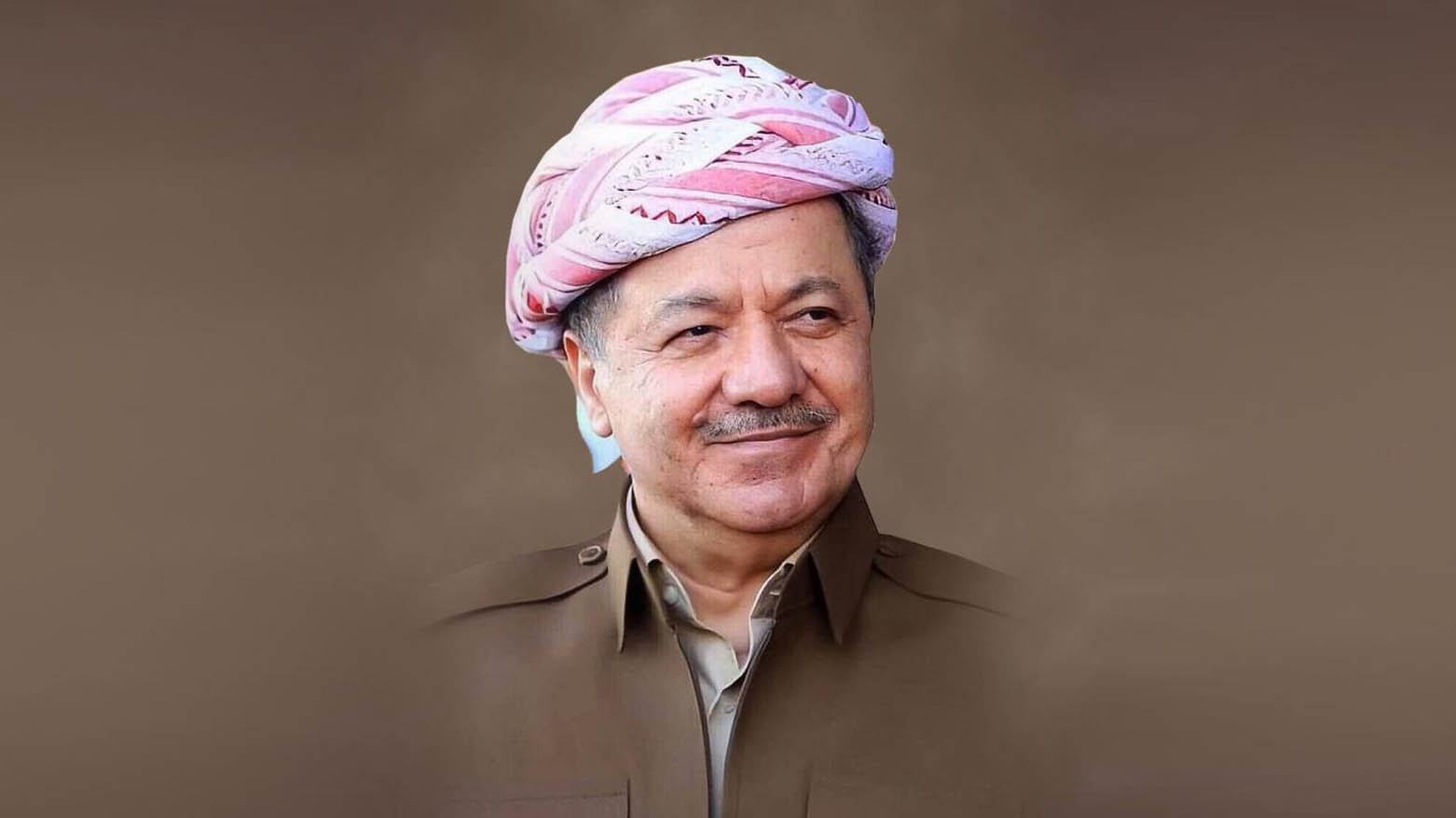
ERBIL (Kurdistan24) — President Masoud Barzani on Monday extended warm congratulations on the election of Patriarch Mar Paulus III Nona as the new head of the Chaldean Catholic Church, expressing hope that the development will further deepen coexistence and mutual respect among the diverse communities in the Kurdistan Region and Iraq.
In a statement issued on the occasion of the election of the new Chaldean Patriarch, Barzani conveyed his felicitations to Patriarch Nona and to all followers of the Chaldean Church in Kurdistan, Iraq, and across the world.
He wished success for the newly elected patriarch in leading one of Iraq’s most prominent Christian denominations during a period marked by continued social and political challenges in the region.
Barzani emphasized that the election should serve as a moment to reinforce the spirit of peaceful coexistence and tolerance between Iraq’s and Kurdistan’s various ethnic and religious components.
He reiterated that strengthening interfaith harmony remains essential for long-term stability in a country shaped by deep pluralism.
The Kurdish leader also renewed his support for the rights and legitimate aspirations of Christian communities, along with all other religious and ethnic groups in Iraq and the Kurdistan Region.
He stressed that Kurdistan has consistently sought to remain a protective space for coexistence, fraternity, and cultural diversity among all its components.
The Chaldean Catholic Church is one of the largest Christian denominations in Iraq, with historical roots tracing back to ancient Mesopotamian Christian traditions.
Over the past decades, Iraq’s Christian population has faced significant challenges due to conflict, displacement, and instability, leading to large-scale emigration, while communities in the Kurdistan Region have remained a key center of relative security and religious plurality.
The election of a new patriarch comes at a sensitive time for Iraq’s minority communities, who continue to advocate for stronger political representation, protection of cultural identity, and sustainable return of displaced families to their ancestral regions.
Barzani’s message reflects longstanding ties between Kurdish leadership and Iraq’s Christian communities, particularly in the Kurdistan Region, where successive governments have often highlighted coexistence as a cornerstone of regional identity and governance.