Iran's Parliament Speaker Issues Three-Point Declaration on Nuclear Talks with Washington
Mohammad Baqer Qalibaf outlined Tehran's uncompromising negotiating posture as reports surfaced that Iranian and American teams have already reached agreement on ceasefire terms in Qatar
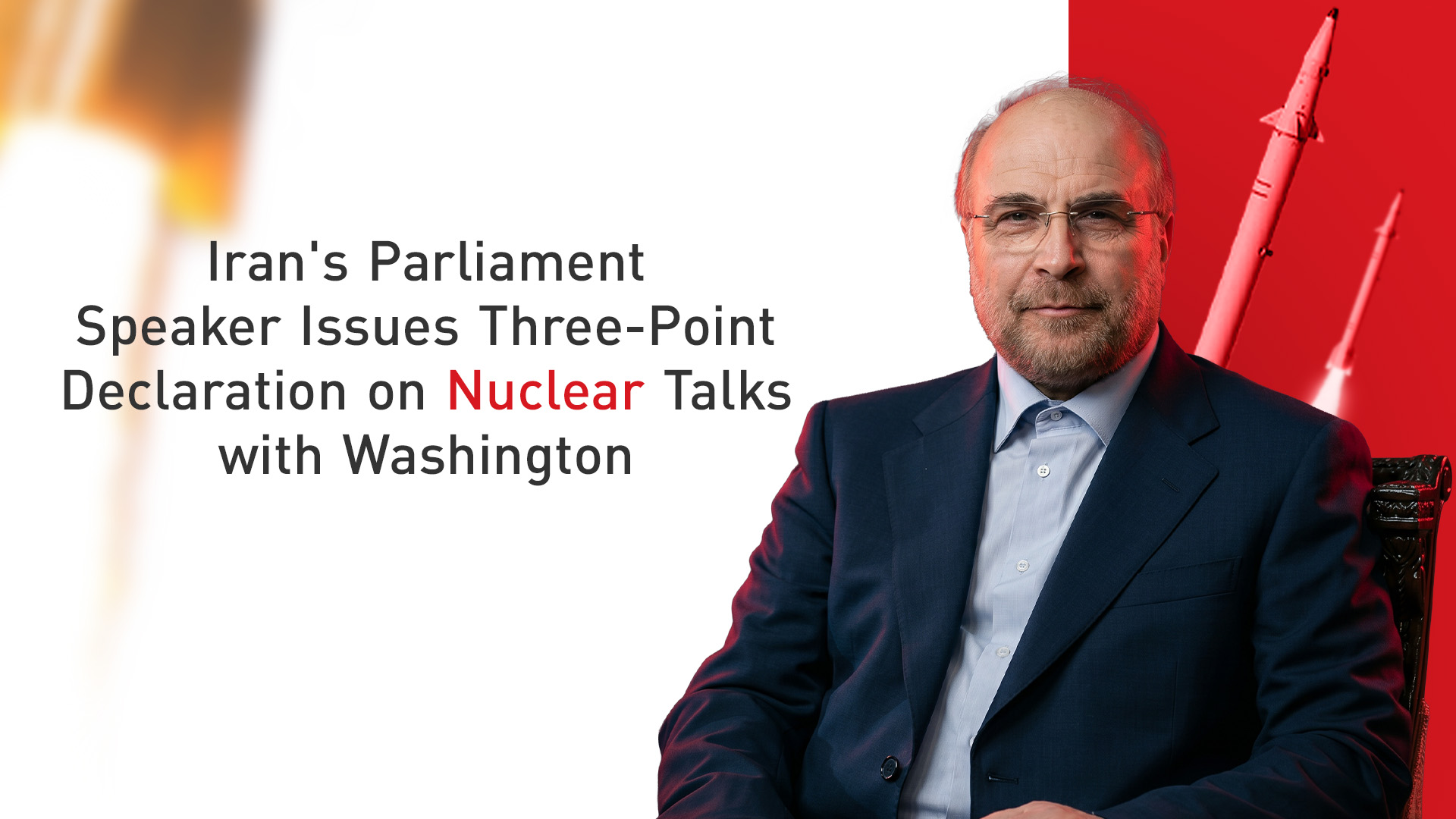
ERBIL (Kurdistan24) - Iran's chief nuclear negotiator delivered a blunt three-point declaration on Friday outlining the Islamic Republic's terms and temperament heading into any final agreement with Washington, even as reports emerged that the two sides had quietly concluded ceasefire negotiations in Doha days earlier.
Mohammad Baqer Qalibaf, speaker of Iran's parliament and head of its negotiating delegation, posted the statement to X on Friday, in language that was as much a message to Tehran's domestic audience as it was to the American side of the table.
In his first point, Qalibaf drew a sharp line between military capability and diplomatic concession. "We achieve our gains not through negotiations, but through missiles," he wrote. "In negotiations, we only clarify them."
His second point addressed the question of trust — a defining fault line in every round of US-Iran diplomacy since the collapse of the 2015 nuclear deal.
"We have no faith in promises or guarantees," Qalibaf wrote. "Only actions are the measure. Therefore, we will take no preemptive steps before the other side moves."
In his third and final point, the parliament speaker issued what amounted to a strategic maxim: "The signatory of any agreement is the one who has better prepared himself for war and the future."
The declaration came against the backdrop of significant behind-the-scenes movement. NBC News reported that negotiating teams from both countries reached agreement on ceasefire terms in Doha, the Qatari capital, days before Qalibaf's statement.
According to sources cited by the network, the Iranian side has briefed its leadership on the details, while the American team is still awaiting a final green light from President Donald Trump, a delay that has held up any formal announcement.
CNN reported that the draft agreement contains several strategic elements, the most significant of which are: the reopening of the Strait of Hormuz and facilitation of maritime traffic; the launch of a new 60-day round of atomic negotiations; and the determination of the fate of Iran's stockpile of enriched uranium.
Despite the progress, American officials have cautioned that the agreement could collapse at any moment. CNN noted that Trump is facing intense domestic pressure from within his own party and from the Israeli government, both of which have consistently urged him not to ease pressure on Tehran or offer any concessions.
The combination of Qalibaf's uncompromising public posture and the fragility flagged by American officials underscores how precarious the diplomatic moment remains, an agreement that is reportedly within reach, but that neither side has yet been willing to formally claim.