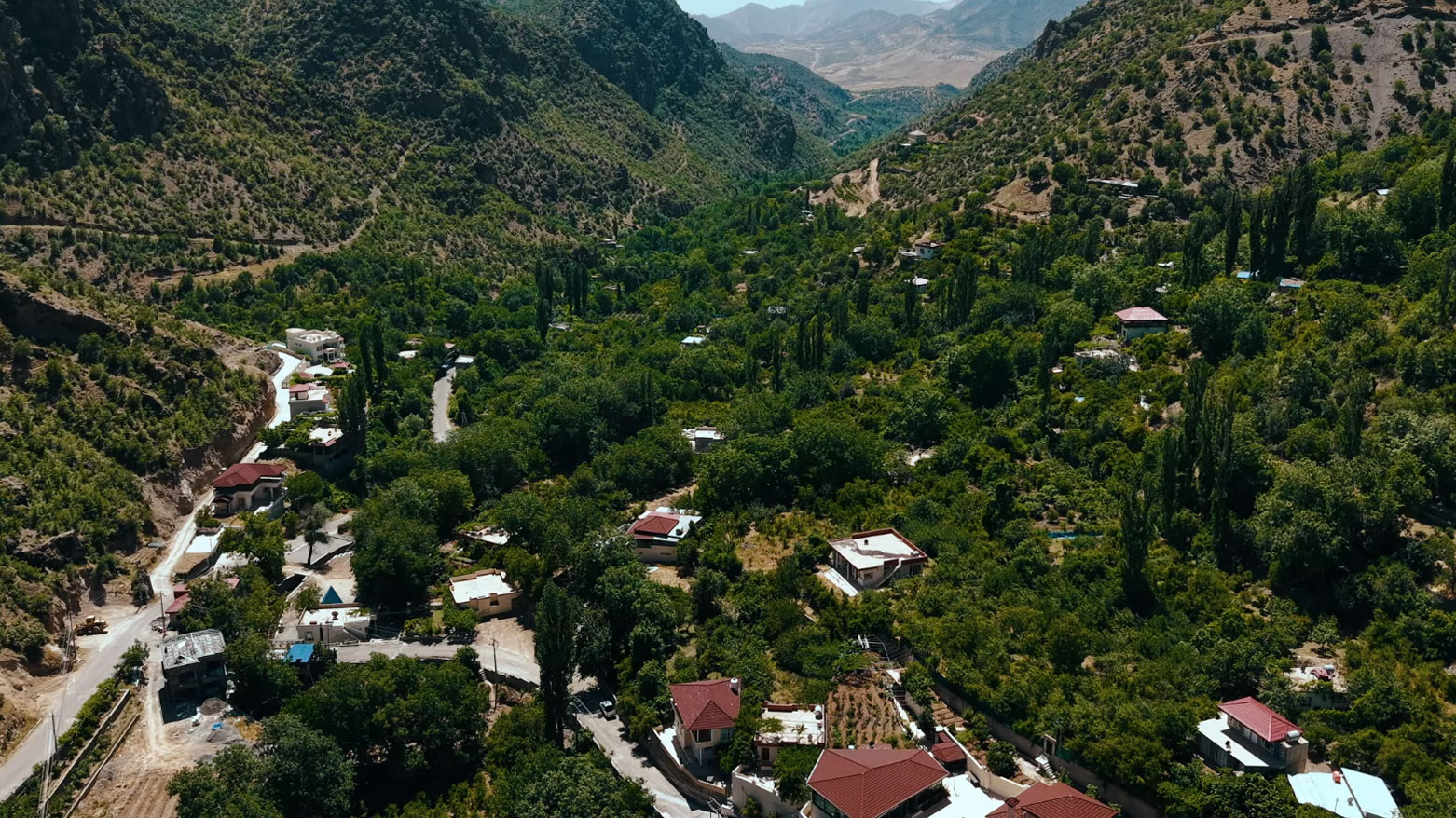
Duhok Village Celebrates Global Recognition Amid Rural Revival and Tourism Push
Hiror's UN "Best Tourism Villages" nomination highlights a revival fueled by infrastructure, youth return, and environmental stewardship. The village reflects the Kurdistan Region's strategy to expand eco-tourism, blend modern services with ancient heritage, and diversify the economy beyond oil.
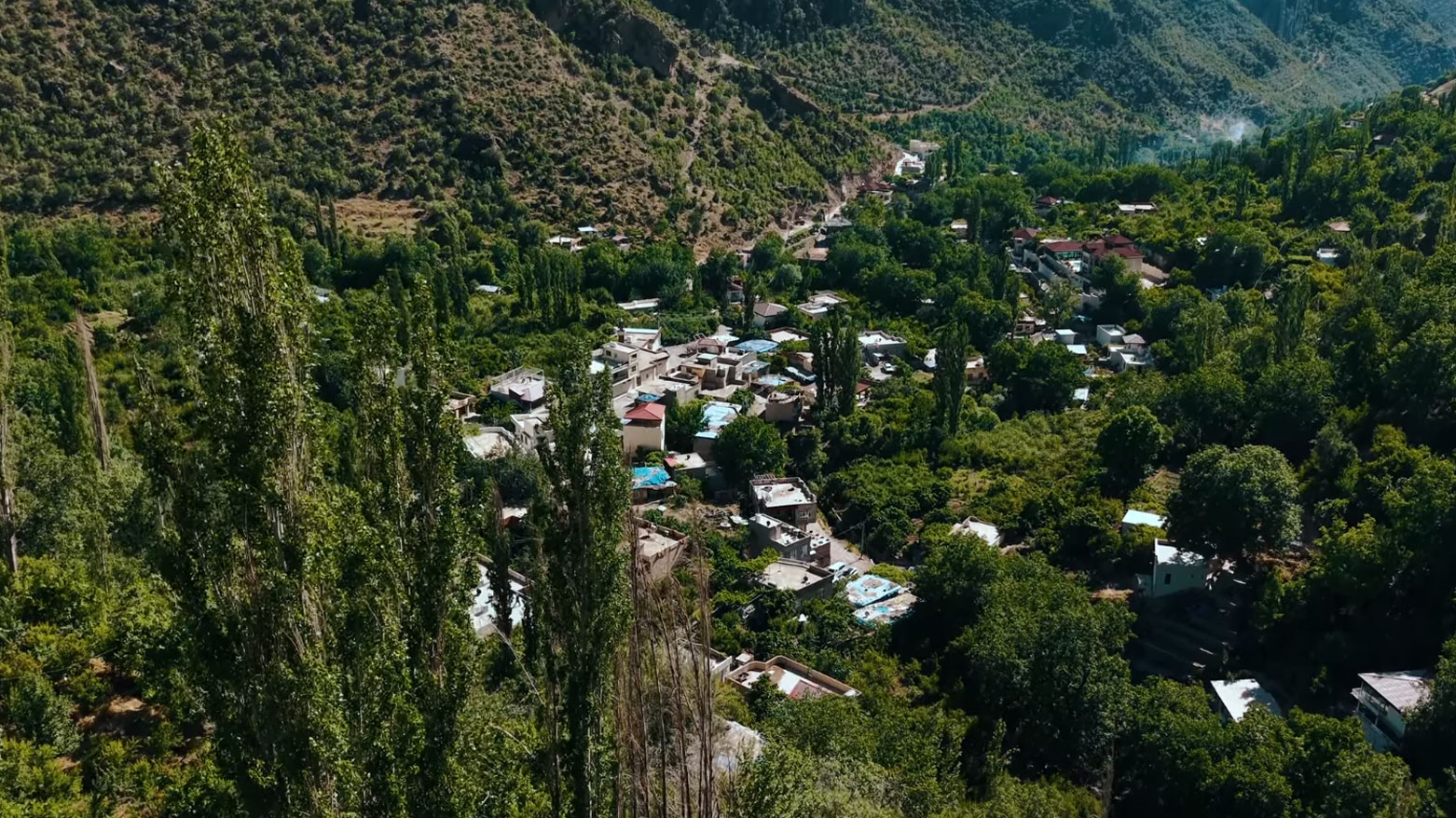
ERBIL (Kurdistan24) - High in the rugged northern reaches of Duhok province, the village of Hiror is undergoing a quiet transformation. Ancient stone houses and deep green mountain valleys are increasingly intersecting with modern telecom towers and revitalized local infrastructure.
This delicate balance of heritage and modernity has not only drawn a new generation of youth back to their ancestral lands but has also placed the remote community on the international stage.
Recently, Hiror was nominated for the United Nations Tourism Organization's global "Best Tourism Villages" initiative, a recognition that has instilled a profound sense of pride among its residents and signaled a major step forward for the Kurdistan Region's growing eco-tourism ambitions.
A Village Reconnected
The nomination comes as local leaders celebrate the reversal of rural outmigration, a trend largely driven by recent infrastructure investments from the Kurdistan Regional Government (KRG).
Reving Hirori, a former Member of Parliament and a prominent figure in the village, expressed deep satisfaction with the international recognition. Speaking to Kurdistan24, he noted that the competition has motivated the entire community to focus more heavily on local tourism.
Central to this revival has been the modernization of essential services. "We are grateful to the KRG for providing water projects, schools, and electricity," Hirori told Kurdistan24.
He emphasized that the installation of a Korek Telecom tower was particularly transformative. "Previously, young people were reluctant to visit due to the lack of connectivity; now, they return to the village with great enthusiasm because of the available internet service."
This connectivity has bridged the gap between urban youth and their rural roots, allowing a new generation to re-engage with village life without sacrificing modern conveniences.
Heritage and Renewal
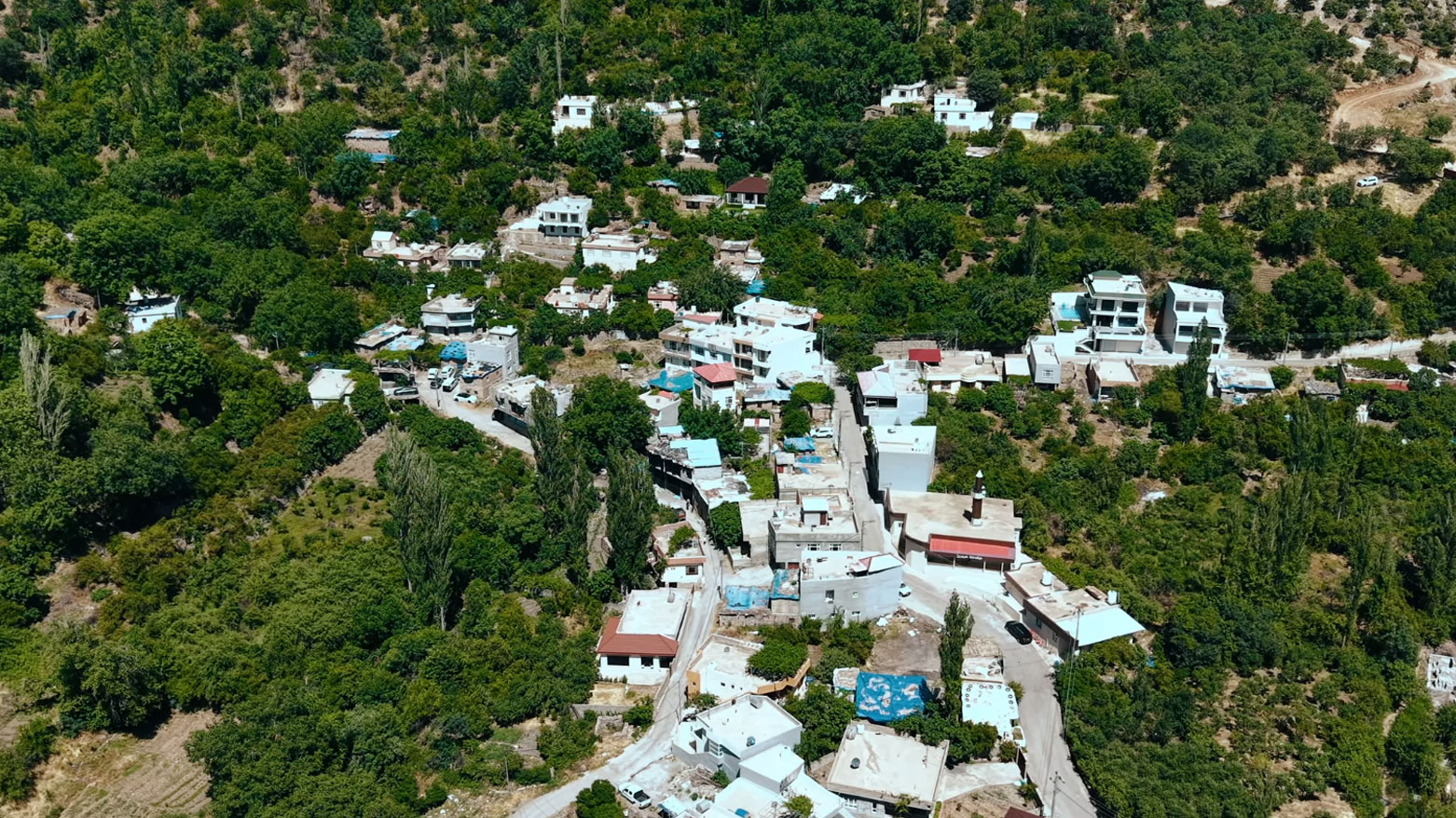
The return of the youth has reinvigorated Hiror's cultural life. Hirori pointed out that young people are now eager to participate in communal traditions that define the village's identity.
He highlighted local practices, such as the communal preparation of a massive meal for the entire village during Eid al-Adha, as examples of how ancient culture is seamlessly fusing with modern life.
"This fusion has allowed the new generation to follow in the footsteps of their predecessors," Hirori said, emphasizing that the appeal of the village lies in its strong social cohesion.
"Kurdistan has moved beyond the era of the rifle and conflict; it is now the age of progress," he added.
Protecting the Landscape
The UN Tourism Organization evaluates nominated villages based on strict criteria, including environmental conservation and social sustainability.
Hiror's nomination is bolstered by its unique grassroots approach to environmental stewardship.
Hirori detailed how ecological awareness is woven into the village's religious and civic life.
"The imams in Hiror's mosques discuss environmental conservation in every Friday sermon," he noted. This guidance translates into collective action, particularly during religious holidays. "For us, the second day of Eid is designated as 'Hiror Environment Day.' On this day, all residents join together to clean the entire area, from the mountain springs to the very edge of the village."
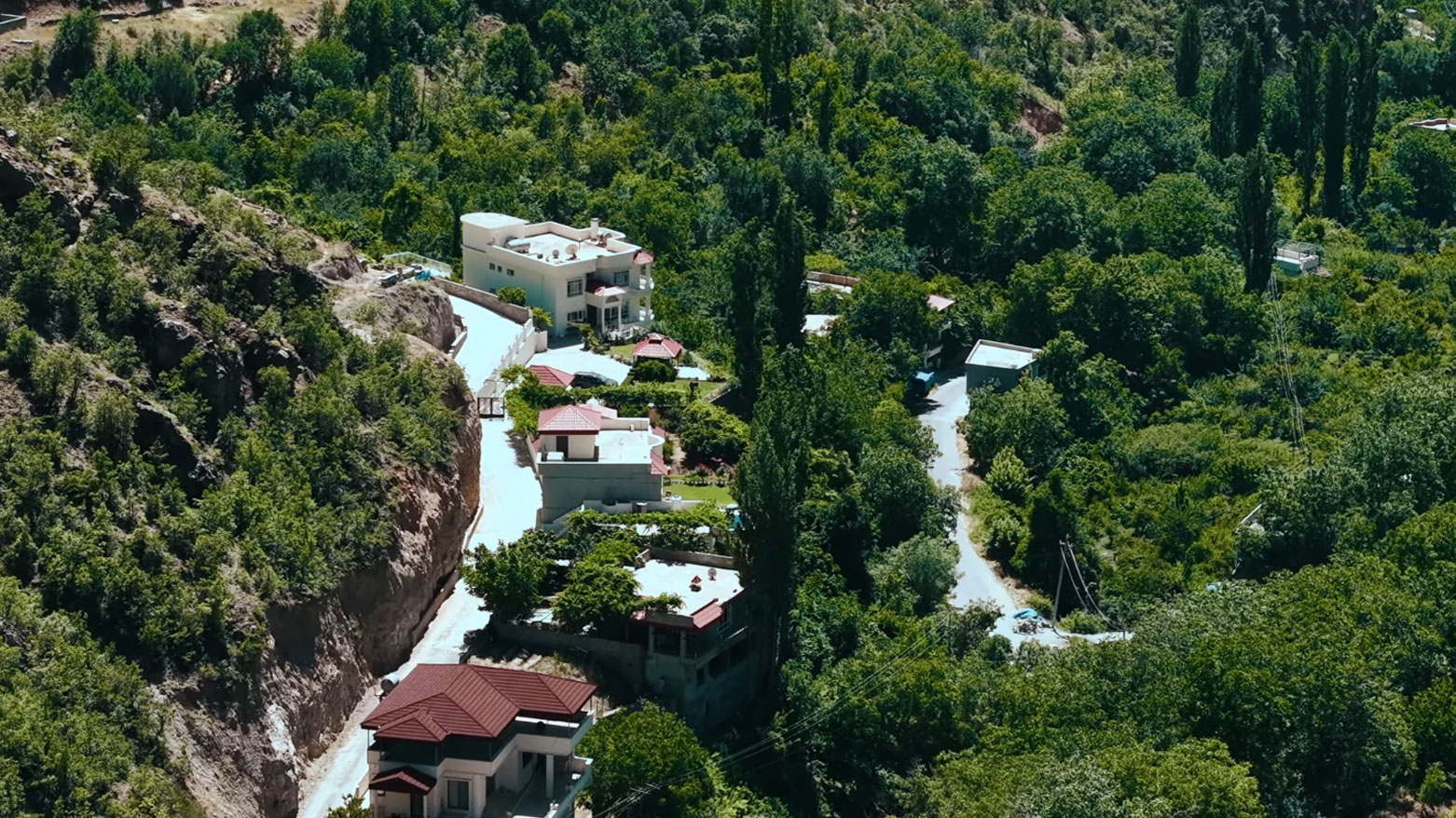
This communal commitment to sustainability perfectly aligns with the UN's focus on "green" tourism and the integration of local communities into environmental protection.
Tourism Beyond Oil
Hiror's recognition is part of a broader national and regional strategy.
According to Iraqi tourism officials, Hiror is one of seven rural communities nominated nationwide for the UN program, alongside the Kurdish villages of Biyara in Halabja and Rawanduz in Erbil.
The Iraqi Tourism Board noted that comprehensive dossiers evaluating these sites on tourism service quality, nature conservation, and social cohesion will be submitted to UN experts.
For the Kurdistan Region, these nominations are a key component of a multi-billion-dollar effort to diversify the economy away from its structural dependency on oil.
The KRG's long-term strategy, guided by the newly established Kurdistan Tourism Council, aims to attract 20 million tourists by 2035 through initiatives like the "Visit Kurdistan" campaign.
KRG tourism officials have confirmed that significant financial resources, exceeding $7.5 billion across 80 projects, are being directed toward strengthening tourism infrastructure, roads, and water access.
While massive investments target urban resorts, the elevation of villages like Hiror proves that rural heritage remains a central pillar of the Region's economic future.
As Hiror awaits the UN's final decision in 2027, the village stands as a vibrant model of how strategic investment and community stewardship can breathe new life into Kurdistan's ancient landscapes.