Macron Urges Urgent Diplomatic Settlement, Announces Plans for Hormuz Security Conference
France and UK to organize multinational initiative aimed at restoring freedom of navigation amid Middle East tensions
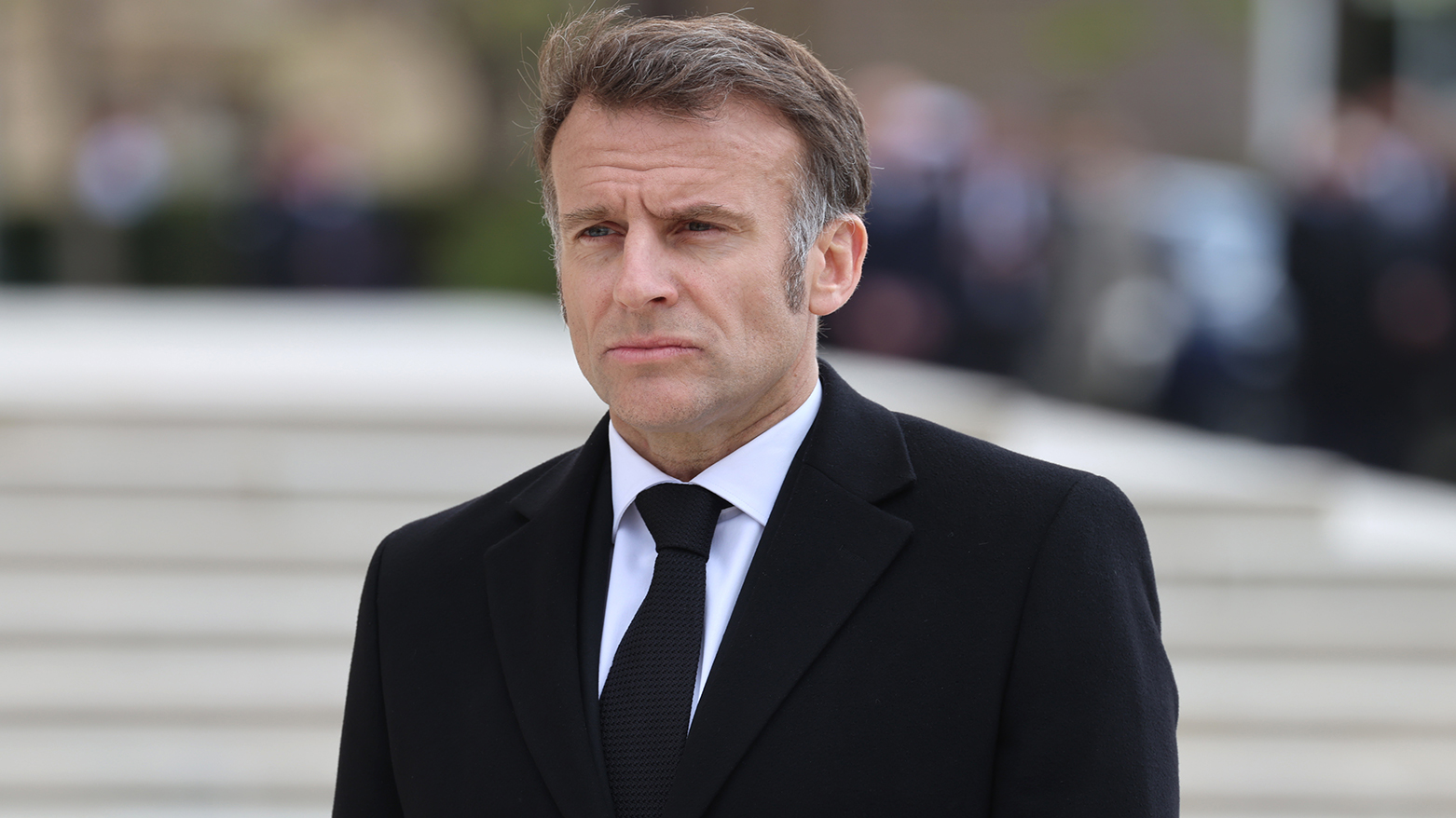
ERBIL (Kurdistan24) — French President Emmanuel Macron on Monday called for an urgent and comprehensive diplomatic settlement to the escalating conflict in the Middle East, stressing that “no effort must be spared” to secure lasting peace and regional stability.
In a statement posted on X, Macron emphasized that any resolution must go beyond temporary ceasefires and instead establish a durable framework that ensures security and coexistence for all parties in the region.
“Such a settlement must provide the region with a robust framework enabling all to live in peace and security,” he said.
Macron outlined a broad set of issues that must be addressed through long-term solutions, including Iran’s nuclear and ballistic programs, its regional activities, and the urgent need to restore free and unimpeded navigation through the Strait of Hormuz.
"To that end, all the core issues must be addressed through lasting solutions, whether with regard to Iran’s nuclear and ballistic activities, its destabilizing actions in the region, the need to restore free and unimpeded navigation through the Strait of Hormuz as quickly as possible," Macron wrote on X.
He also highlighted the importance of stabilizing Lebanon, calling for the country to return to “the path of peace” while fully respecting its sovereignty and territorial integrity.
France, Macron said, stands ready to play an active role in diplomatic efforts, noting that Paris has been engaged in seeking de-escalation since the early stages of the conflict.
Focusing on maritime security, Macron announced that France, alongside the United Kingdom, will, in the coming days, organize a conference bringing together countries willing to participate in a multinational effort to safeguard navigation in the strategically vital waterway.
The proposed mission, he said, would be strictly defensive and independent from the parties involved in the conflict, to restore freedom of navigation in the Strait of Hormuz as soon as conditions allow.
The announcement comes amid heightened global concern over the security of the Strait of Hormuz, a critical chokepoint for international energy supplies, as tensions between regional and global powers continue to threaten maritime stability and economic flows.
The U.S. Central Command (CENTCOM) on Monday announced it will begin enforcing a maritime blockade on all ships entering or exiting Iranian ports starting April 13 at 10 a.m. ET, following a presidential directive, marking a significant escalation in tensions between Washington and Tehran.
According to the statement issued from Tampa, Florida, the blockade will apply to vessels of all nationalities operating in Iranian territorial waters, including ports along the Arabian Gulf and the Gulf of Oman.
CENTCOM emphasized that enforcement will be carried out “impartially,” signaling a broad operational scope that could disrupt commercial shipping linked to Iran.
However, U.S. forces clarified that the blockade will not interfere with international navigation through the Strait of Hormuz, a critical global oil transit chokepoint through which a substantial portion of the world’s energy supply flows.
International reactions mounted on Monday following US President Donald Trump’s announcement of a naval blockade of the Strait of Hormuz, with key allies and global powers distancing themselves from the move while warning of widening economic and geopolitical consequences.
UK Prime Minister Keir Starmer said Britain will not take part in the operation and stressed that London is not being drawn into a confrontation with Iran.
“We are not supporting the blockade,” Starmer told BBC Radio, adding that the UK “is not getting dragged in” to the war with Iran.
Spain also strongly criticized the decision, with Defense Minister Margarita Robles calling the blockade “something that makes no sense,” warning it risks further destabilizing an already volatile situation.
No effort must be spared to swiftly reach, through diplomatic means, a strong and lasting settlement to the conflict in the Middle East.
— Emmanuel Macron (@EmmanuelMacron) April 13, 2026
Such a settlement must provide the region with a robust framework enabling all to live in peace and security.…