Britain and France Move to Build International Coalition to Secure the Strait of Hormuz
France and Britain announced on April 14 that Macron and Starmer will co-chair an international video conference Friday to build a multinational force to secure the Strait of Hormuz and impose new sanctions on Iran. Pakistan is also pushing for a second round of Iran-US talks, possibly Thursday.
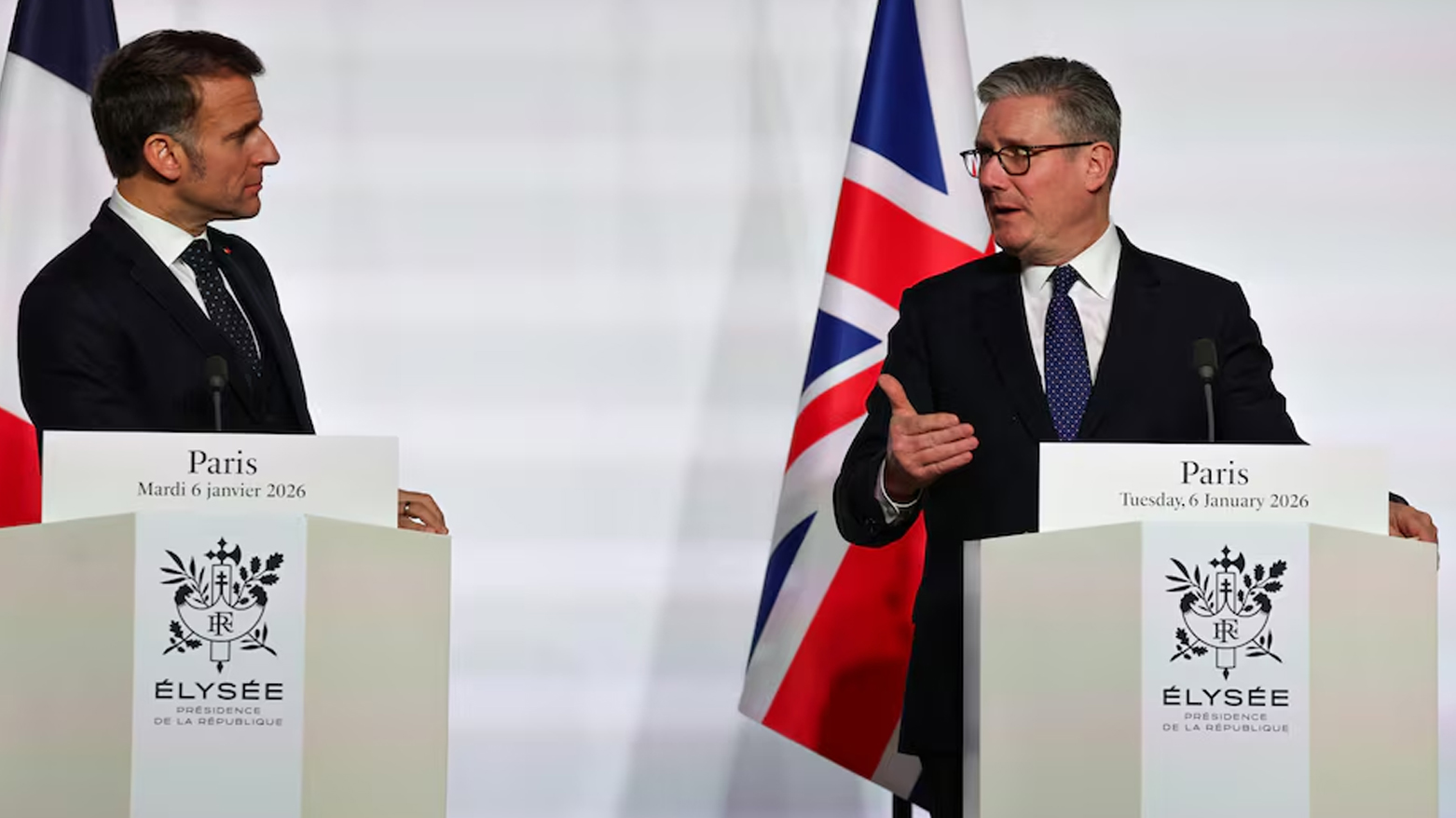
ERBIL (Kurdistan24) - As the US naval blockade tightened around Iran's ports and the Strait of Hormuz remained effectively closed to international shipping, Europe moved on Tuesday, to forge its own multilateral response. The Élysée Palace announced that French President Emmanuel Macron and British Prime Minister Keir Starmer will jointly chair an international video conference on Friday, bringing together nations willing to contribute to a multinational defense mission to protect maritime transit through the Strait of Hormuz and impose new sanctions on Iran.
According to the Élysée's statement, the conference is specifically aimed at countries that are not parties to the conflict but are prepared to participate in a defensive mission to restore freedom of navigation through the waterway once security conditions permit. Paris and London have been careful to emphasize that this initiative is distinct from Washington's military posture — the goal is to prepare for the swift resumption of commercial traffic through the strategic corridor without drawing participating countries into the armed conflict itself.
Preparatory talks Wednesday
Diplomatic sources said senior diplomats from several countries are set to hold a preparatory meeting Wednesday ahead of Friday's leaders' summit. The working sessions will focus on several tracks: coordinating new sanctions against Iran, aligning international efforts to restore maritime freedom, developing robust economic measures against Tehran in the event the strait remains closed, and working to secure the release of vessels and crew members currently stranded in the region.
The broader picture
The European push comes as the US blockade of Iranian ports has placed enormous pressure on global energy markets, with the Strait of Hormuz — through which roughly one fifth of the world's oil and gas supply passes — effectively paralyzed. Around 800 commercial vessels, including nearly 400 oil tankers, remain stranded, and at least 20,000 seafarers cannot transit safely.
Despite the breakdown of the Islamabad talks last weekend, diplomatic efforts to restart negotiations have not ceased. Pakistan has proposed hosting a second round of Iran-US talks in the coming days. Two Pakistani officials confirmed the initial talks were part of an ongoing process, while two US officials said Monday that discussions about a new round were continuing. A diplomat from one of the mediating countries also confirmed that Tehran and Washington had agreed in principle to resume talks, with Thursday cited as a possible date and both Islamabad and Geneva under consideration as venues.
The conflict, which began with US and Israeli strikes on Iran on Feb. 28, has so far resisted all attempts at a permanent resolution — but with European powers now mobilizing their own diplomatic architecture and Pakistan actively pushing for a second round, Tuesday's developments suggest the search for an exit is far from over.