How Erbil Transformed Its Environment Under the Ninth Cabinet
On Kurdistan Region Environment Day, April 16, officials announced that Erbil has been removed from the global list of polluted cities, crediting the Runaki Project and a series of environmental reforms under the ninth cabinet with significantly improving the city's air quality.
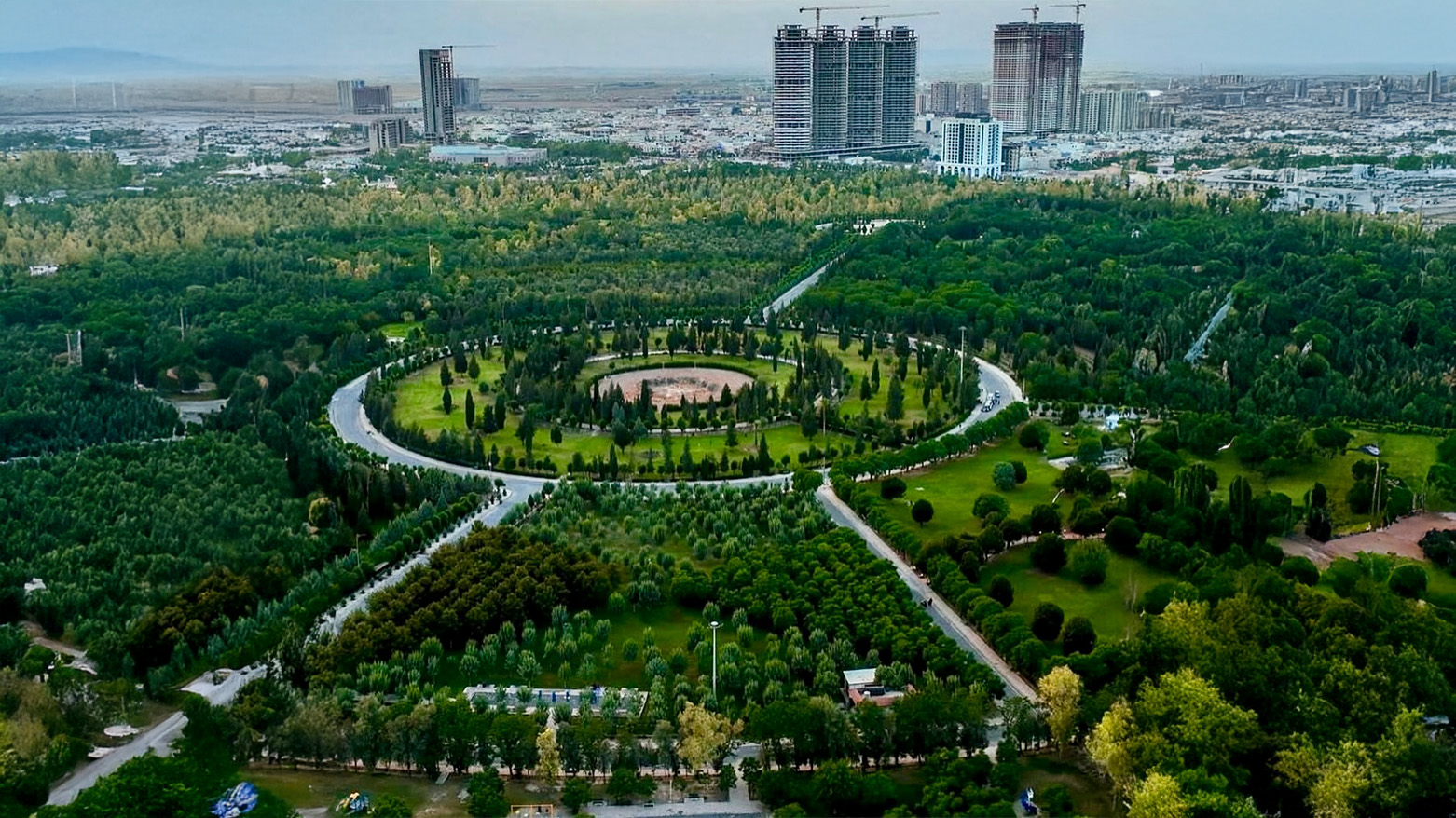
ERBIL (Kurdistan24) - April 16 is Kurdistan Region Environment Day — and this year, officials marked the occasion with a milestone worth celebrating. Erbil, once ranked among the world's most polluted cities, has been removed from that list.
The improvement, officials say, is the direct result of a series of strategic environmental initiatives launched under the Kurdistan Regional Government's ninth cabinet program.
Sanaan Abdullah, spokesperson of the Kurdistan Region's Environment Improvement and Protection Authority, told Kurdistan24 on Thursday that one of the most significant achievements in the environmental field has been the implementation of the Runaki Project, which has had a direct and measurable impact on improving air quality in Erbil. "Erbil was previously on the list of the world's most polluted cities," Abdullah said. "Thanks to the measures taken, it has now left that list and air quality has improved significantly."
Closing polluting refineries, encouraging clean vehicles
Among the other steps taken, the Kurdistan Regional Government decided to shut down refineries that failed to meet environmental standards and had become primary sources of pollution. The government has also encouraged citizens to adopt new technology, including the import of electric and hybrid vehicles, as part of its effort to reduce toxic emissions across the Region.
Abdullah said the government is continuing to build ponds and reservoirs to harvest water and address drought, while work is ongoing to raise Erbil's green cover to international standards — above 25% — with efforts underway to push that figure even higher.
Recycling and reuse were also highlighted as key environmental priorities. Abdullah pointed to programs covering the recycling of tar and cardboard, as well as the Greywater Project, which purifies wastewater and repurposes it for irrigating parks and gardens.
Dilshad Hirani, director of Erbil's Environment Department, told Kurdistan24 that Prime Minister Masrour Barzani's decisions on environmental cleanup have had a 100% impact, and that efforts to further clean and protect the environment are ongoing.