Iran Emphasizes Lebanon Ceasefire as Equal Priority Amid Ongoing Regional Tensions
In a phone call with Lebanese Parliament Speaker Nabih Berri, Ghalibaf stated that Iran has been working to “compel our enemies to establish a permanent ceasefire in all the conflict zones” in line with ongoing diplomatic efforts.
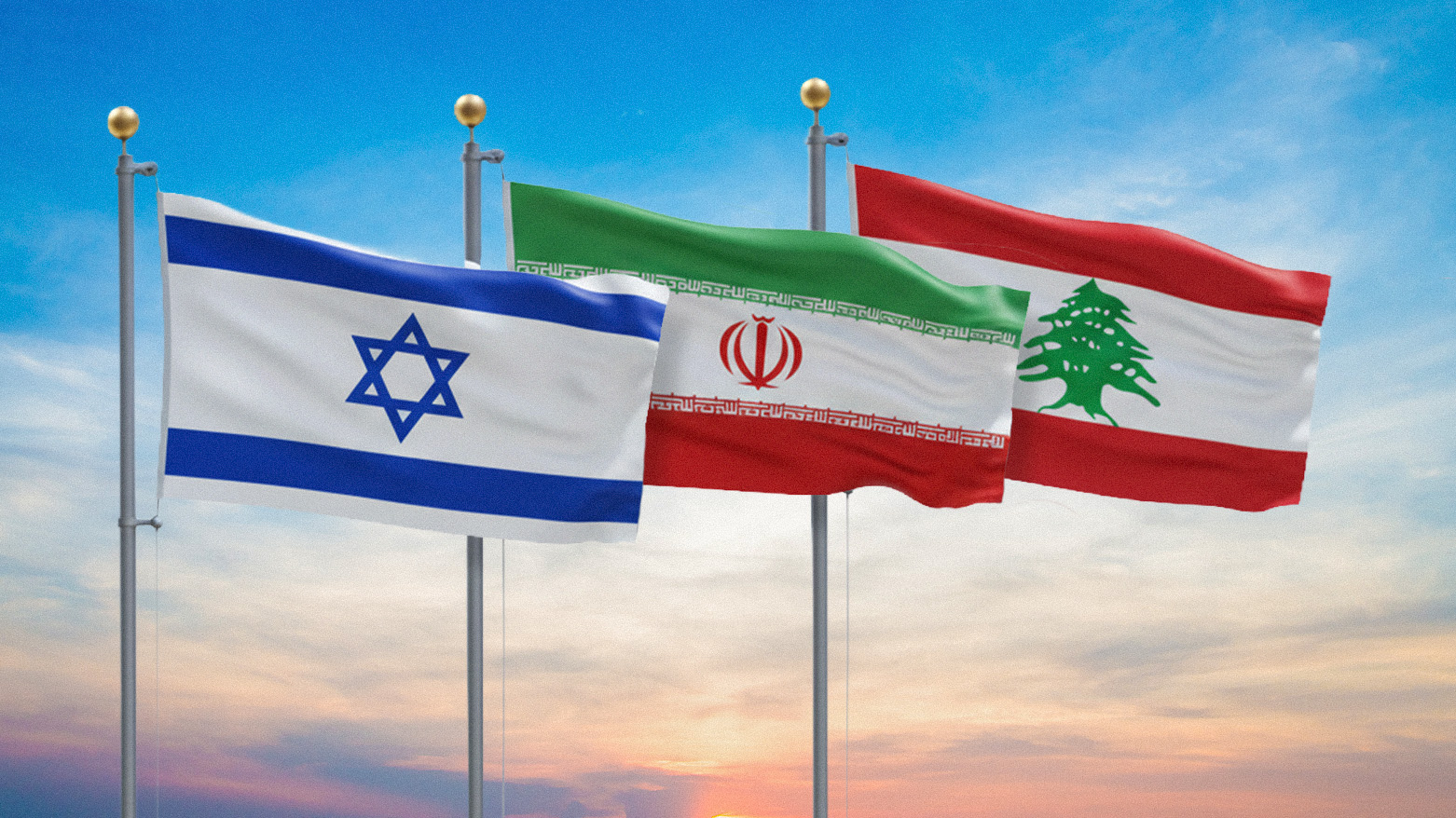
ERBIL (Kurdistan24) – Iran’s Parliament Speaker Mohammad Bagher Ghalibaf said Thursday that a ceasefire in Lebanon is “as important” as one in Iran, underscoring Tehran’s broader push for de-escalation across regional conflict zones.
In a phone call with Lebanese Parliament Speaker Nabih Berri, Ghalibaf stated that Iran has been working to “compel our enemies to establish a permanent ceasefire in all the conflict zones” in line with ongoing diplomatic efforts.
Iran’s Foreign Ministry also welcomed the truce between Israel and Lebanon, describing it as part of a wider ceasefire understanding between Tehran and Washington aimed at pausing the Middle East conflict. Ministry spokesperson Esmaeil Baghaei said the cessation of hostilities in Lebanon was included in a broader agreement mediated by Pakistan, according to state media reports.
Meanwhile, French President Emmanuel Macron warned on Friday that the ceasefire would remain fragile, citing continued military activity despite the agreement. In a statement, he called for the protection of civilians on both sides of the Lebanon-Israel border and urged restraint.
“Hezbollah must lay down its arms. Israel must respect Lebanese sovereignty and end the war,” Macron said.
A 10-day ceasefire between Israel and Lebanon took effect at midnight local time (2100 GMT Thursday), offering a potential pause after weeks of intense fighting. However, tensions remain high on the ground.
The agreement follows renewed diplomatic efforts, including mediation by Islamabad, to revive negotiations between Tehran and Washington. U.S. President Donald Trump said he had spoken with Israeli Prime Minister Benjamin Netanyahu and Lebanese President Joseph Aoun ahead of the deal, adding that the leaders may soon meet at the White House.
The conflict in Lebanon escalated on March 2, when the Iran-backed Hezbollah group launched rockets into Israel, triggering a sharp rise in regional tensions.