Iran–US Strait Blockade Becomes 'Battle of Wills,' Warns The Atlantic Analysis
The Atlantic analysis outlines risks and constraints tied to the U.S. blockade of the Strait of Hormuz and Iran’s countermeasures.
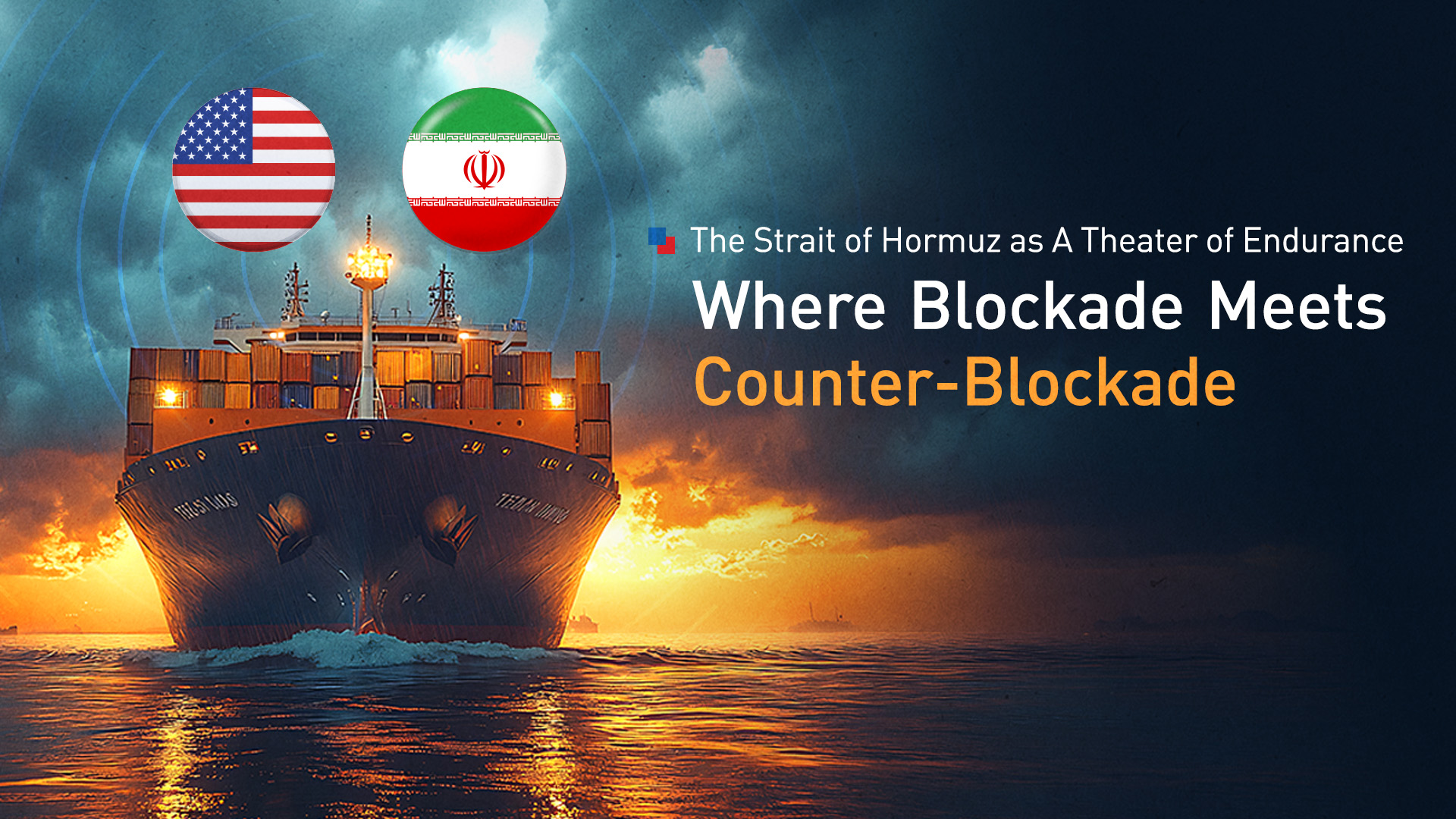
ERBIL (Kurdistan24) - Analysis published in The Atlantic outlines escalating strategic, military, and economic risks tied to the United States’ blockade of the Strait of Hormuz, describing a rapidly intensifying “battle of wills” between Washington and Tehran in which both sides are attempting to impose competing maritime restrictions while absorbing rising economic and operational costs.
In its April 15 analysis, The Atlantic, in an article by Brynn Tannehill, reported that the Trump administration’s blockade of the Strait of Hormuz has transformed the waterway into what it described as a central theater in a broader confrontation between the United States and Iran. The publication said the conflict is being shaped less by traditional naval superiority and more by endurance, specifically which side can withstand sustained economic pressure and military risk over time.
According to the report, Tehran has implemented a system allowing selected vessels to transit the strait in exchange for payment of tolls, a mechanism that The Atlantic said has enabled Iran to maintain oil exports while generating revenue from passage fees. The article added that Iran has introduced new transit conditions requiring ships to deviate into Iranian waters near Qeshm Island for inspection by members of the Islamic Revolutionary Guard Corps, further tightening its control over maritime movement in the region.
The same analysis said the United States has responded by enforcing a counterblockade that prohibits passage for vessels paying tolls and restricts transit for ships entering or leaving Iranian ports. The Atlantic noted that this has created a situation in which commercial vessels face conflicting requirements, with compliance to one side increasing the risk of retaliation from the other.
The report further stated that ships attempting to comply with both Iranian and U.S. demands face operational impossibility, as each side’s requirements are mutually exclusive. It added that Iran has likely deployed naval mines in commonly used shipping channels, further complicating safe navigation through the strait, according to the analysis.
The Atlantic also highlighted potential diplomatic complications arising from enforcement operations, noting that the United States may be required to intercept or board vessels flagged by third countries, including China, Pakistan, or India. The report said such actions could carry broader economic consequences, including retaliatory tariffs or increased political and military support for Iran from affected states.
The analysis described the operational risks faced by U.S. naval forces tasked with enforcing the blockade, particularly Visit, Board, Search, and Seizure (VBSS) teams. According to The Atlantic, these units operate from destroyers and frigates using small rigid-hull inflatable boats to board commercial vessels that are expected to stop for inspection.
The report said vessels attempting to evade boarding could continue moving at speed, potentially forcing U.S. forces to consider disabling ships rather than conducting standard inspections. It also noted that boarding operations near Iranian waters would expose U.S. personnel to elevated risks, including potential ambushes or engagements involving Iran’s small-boat fleet, often referred to as a “mosquito fleet.”
The Atlantic further stated that mine-clearing operations in the Strait of Hormuz would require specialized underwater drones and divers, describing the process as slow and operationally vulnerable. According to the article, these missions would place U.S. personnel in small craft operating close to contested waters, increasing exposure to potential attacks.
The analysis also reported that Iran has expanded its use of unmanned surface drones, which it said could pose significant risks to naval vessels operating in the region. It noted that such systems have been used in other conflicts and could be deployed against U.S. warships operating near Iranian territory.
The Atlantic added that U.S. naval aviation assets, including MH-60R helicopters deployed from destroyers, would play a central role in defense against small craft and drone threats. However, it reported that Iran may have acquired shoulder-fired anti-aircraft missiles, which could increase the vulnerability of low-flying aircraft during maritime operations.
The article further stated that even a single successful strike—whether from drones, missiles, mines, or small boats—could render a U.S. guided-missile destroyer inoperable for extended periods, underscoring the potential costs associated with sustained enforcement operations.
On the economic dimension, The Atlantic reported that Iran continues to seek alternative methods to maintain trade flows despite restrictions, including land routes, air transport, and possible pipeline connections through neighboring countries. It also noted the potential use of smaller vessels, such as traditional dhows, which are more difficult to track and interdict in large numbers.
The analysis said enforcement efforts would require inspection of each vessel, significantly increasing operational complexity for U.S. forces tasked with maintaining the blockade. It added that Iran’s long-standing experience in sanctions evasion could further complicate efforts to restrict its trade flows.
The Atlantic also reported that Iranian oil exports through the Strait of Hormuz account for a significant share of the country’s economy, estimating that total exports through the waterway amount to approximately $435 million per day, or roughly one-third of Iran’s gross domestic product. It said oil revenues represent about 9 percent of Iran’s GDP, and that prolonged disruption could quickly increase inflationary pressure within the country.
At the same time, the analysis noted that global markets could also be affected, particularly through rising oil prices. It said that removing a significant portion of global oil supply from the market could lead to higher costs for fuel, food, pharmaceuticals, and other goods.
The Atlantic further reported that political considerations in the United States could shape the trajectory of the blockade, citing domestic opposition to prolonged military engagement and declining public support in the context of upcoming electoral cycles. It said the durability of the blockade may ultimately depend on the relative political and economic resilience of both countries.
The analysis concluded that Iran may hold certain structural advantages in sustaining prolonged pressure due to its proximity to the theater of operations and its centralized political system, though it emphasized the uncertain nature of outcomes in an extended maritime confrontation.