South Korea Confirms First Crude Shipment via Red Sea After Hormuz Closure
South Korea confirmed its first crude oil shipment via a Red Sea route after the Strait of Hormuz closure, marking a shift in its energy transport logistics.
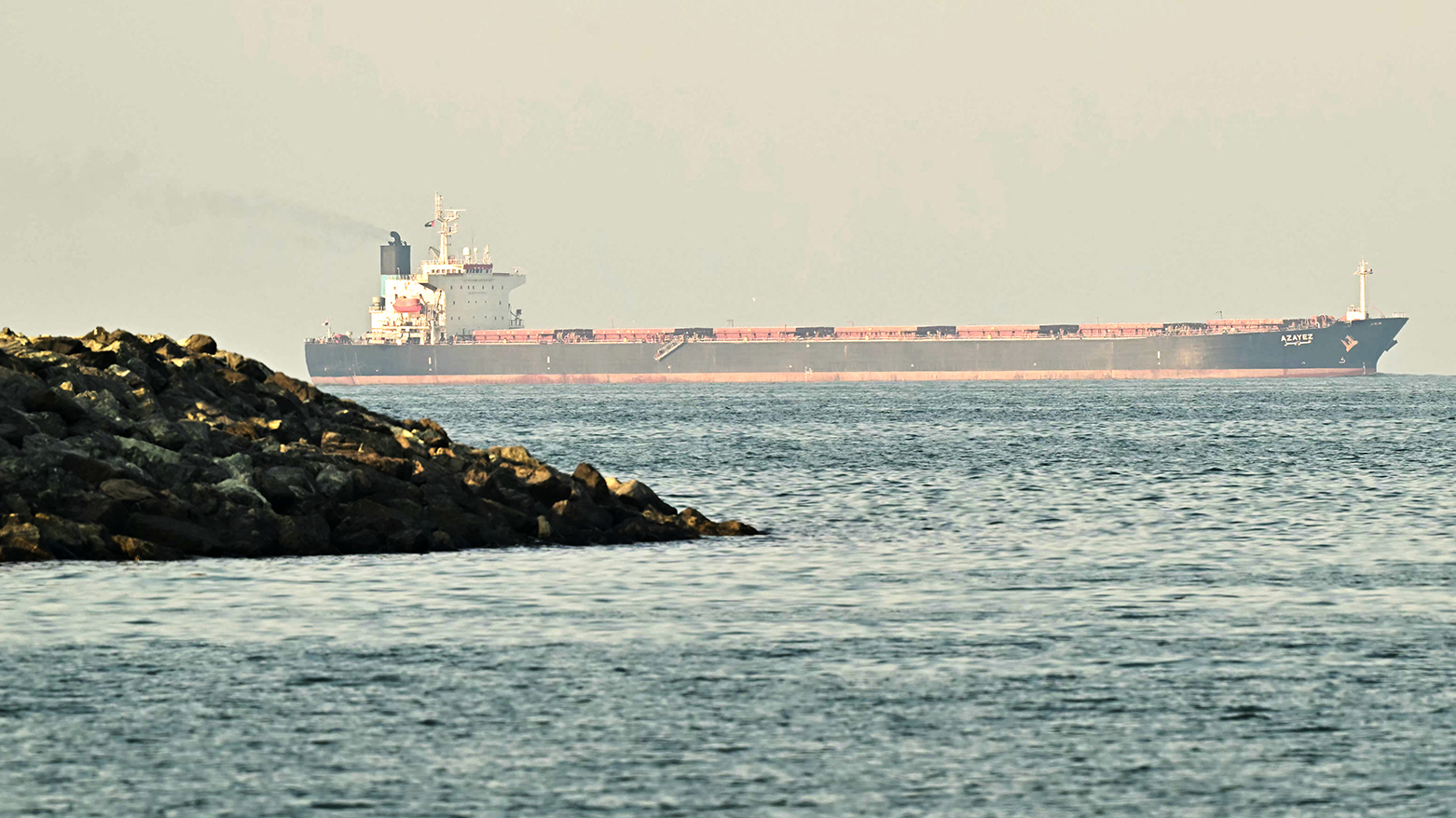
ERBIL (Kurdistan24) - South Korea has confirmed that a crude oil tanker has successfully transited the Red Sea using an alternative maritime route established after the effective closure of the Strait of Hormuz, Agence France-Presse reported on Friday, citing Seoul’s oceans ministry, in what officials describe as the first such shipment since access to the key energy chokepoint was cut off amid heightened regional tensions.
According to the oceans ministry, as quoted in its official statement released in Seoul and carried by AFP, the vessel marks “the first case of crude oil being transported into the country via the Red Sea, a detour, since the blockade of the Strait of Hormuz.” The ministry said the shipment reflects emergency adjustments to South Korea’s energy logistics after US-Israeli strikes on Iran in late February triggered Tehran’s decision to close the strait, which has since been placed under a US blockade.
The Korea Herald separately reported that the vessel is the first South Korean-flagged ship to substitute a previously Hormuz-dependent crude shipment with one routed through the Red Sea. The outlet noted that while some oil has historically reached South Korea via the Red Sea corridor, exporters had overwhelmingly preferred the Strait of Hormuz due to shorter transit times and lower operational risk under normal conditions.
President Lee Jae Myung, in comments published on the social media platform X and cited by both AFP and The Korea Herald, described the successful transit as “a valuable achievement made by the relevant ministries moving as one team.” He also extended thanks to personnel involved in the operation, stating, “I would like to express my gratitude to everyone who worked hard day and night despite difficult conditions, especially the sailors,” according to his official post.
Seoul’s presidential office, as reported by local media outlets including The Korea Herald, said the government has intensified efforts to diversify crude import routes since the Strait of Hormuz became inaccessible. Kang Hoon-sik, chief of staff to the president, was quoted as saying that South Korea has secured more than 270 million barrels of crude oil through alternative routes unaffected by the crisis through the end of the year. That volume, he said, corresponds to more than three months of national consumption based on last year’s demand.
AFP, citing senior presidential officials, reported that Kang recently returned from diplomatic visits to Kazakhstan, Oman, Saudi Arabia, and Qatar, where discussions focused on stabilizing crude supply chains and establishing long-term alternative energy routes. These efforts, according to Seoul officials, form part of a broader strategy to reduce dependence on the Strait of Hormuz, through which more than 95 percent of South Korea’s Middle Eastern oil imports previously passed, according to government data cited in local reporting.
The oceans ministry said, as reported by AFP, that South Korea had also dispatched five Korean-flagged vessels to the Saudi Arabian Red Sea port of Yanbu earlier this month in preparation for establishing a more structured alternative corridor. The ministry added that agencies and shipping operators have been coordinating real-time tracking systems and safety protocols during transit through the Red Sea.
The Korea Herald further reported that the government has maintained round-the-clock monitoring of the voyage, including continuous communication between maritime authorities and the vessel operator, given ongoing security risks in the region. Those risks, the report noted, include the potential for attacks by Yemen’s Iran-backed Houthi movement, which has previously targeted commercial shipping in the Red Sea.
Minister of Oceans and Fisheries Hwang Jong-woo, in remarks cited by domestic media, said the government would continue working with relevant agencies and industry partners to ensure the stable transport of crude oil, underscoring what officials describe as a coordinated national response to maritime supply disruptions.
South Korea remains heavily dependent on imported energy, with approximately 70 percent of its crude oil sourced from the Middle East, according to figures cited by Seoul authorities and reported by both AFP and The Korea Herald. The disruption of Hormuz transit routes has therefore exposed structural vulnerabilities in the country’s energy supply chain, prompting accelerated diversification efforts.
Separate from energy logistics, The Korea Herald also reported broader political and public discourse surrounding South Korea’s foreign assistance policies, including criticism from Iran-born model and YouTuber Hoda Niku regarding Seoul’s humanitarian aid to Iran. In comments cited by the outlet, she argued that aid risks being diverted away from civilians, though South Korean officials have maintained that assistance is coordinated through international mechanisms, including the International Committee of the Red Cross and United Nations-linked channels.
While officials have not publicly linked humanitarian policy to energy security planning, both AFP and South Korean media have noted that the developments are unfolding amid a wider regional environment marked by instability across key maritime corridors and heightened diplomatic activity among energy-importing states.
The successful Red Sea transit, according to AFP’s reporting of ministry statements, is being positioned by Seoul as an operational milestone in its effort to establish alternative supply chains capable of withstanding sustained disruption in the Strait of Hormuz.