French Peacekeeper Killed in Lebanon Attack as Ceasefire Tensions Mount
Hezbollah denies responsibility amid UN probe and rising fears of truce collapse
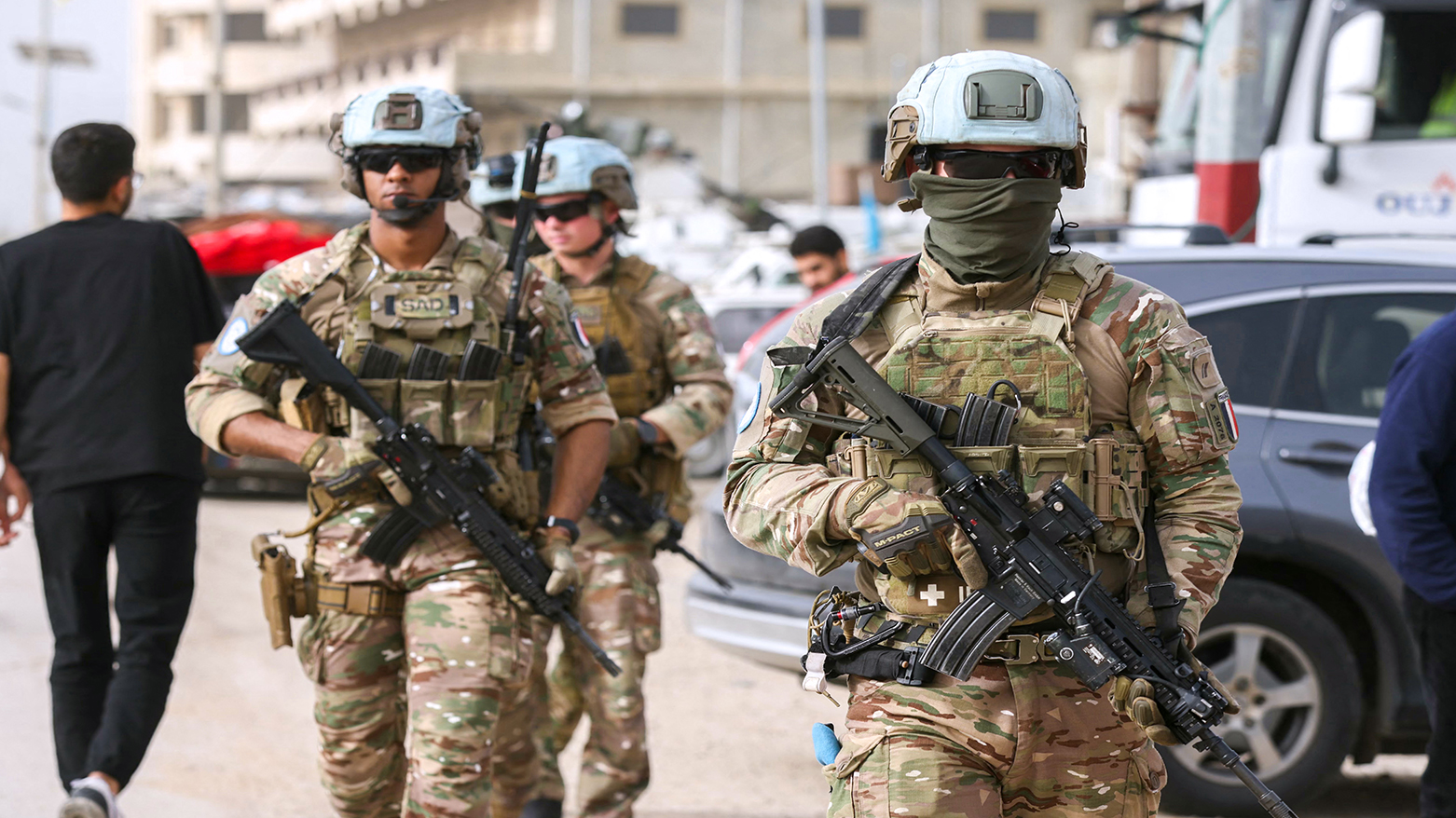
ERBIL (Kurdistan24) — A French soldier serving with UN peacekeepers was killed and three others wounded in an ambush in southern Lebanon on Saturday, in an attack that the United Nations and France say was likely carried out by Iran-backed Hezbollah, an accusation the group has denied.
The incident occurred in the village of Ghandouriyeh as forces from the United Nations Interim Force in Lebanon (UNIFIL) were clearing a route to reach an isolated outpost cut off by ongoing fighting.
According to French authorities, the patrol came under close-range small-arms fire from an armed group.
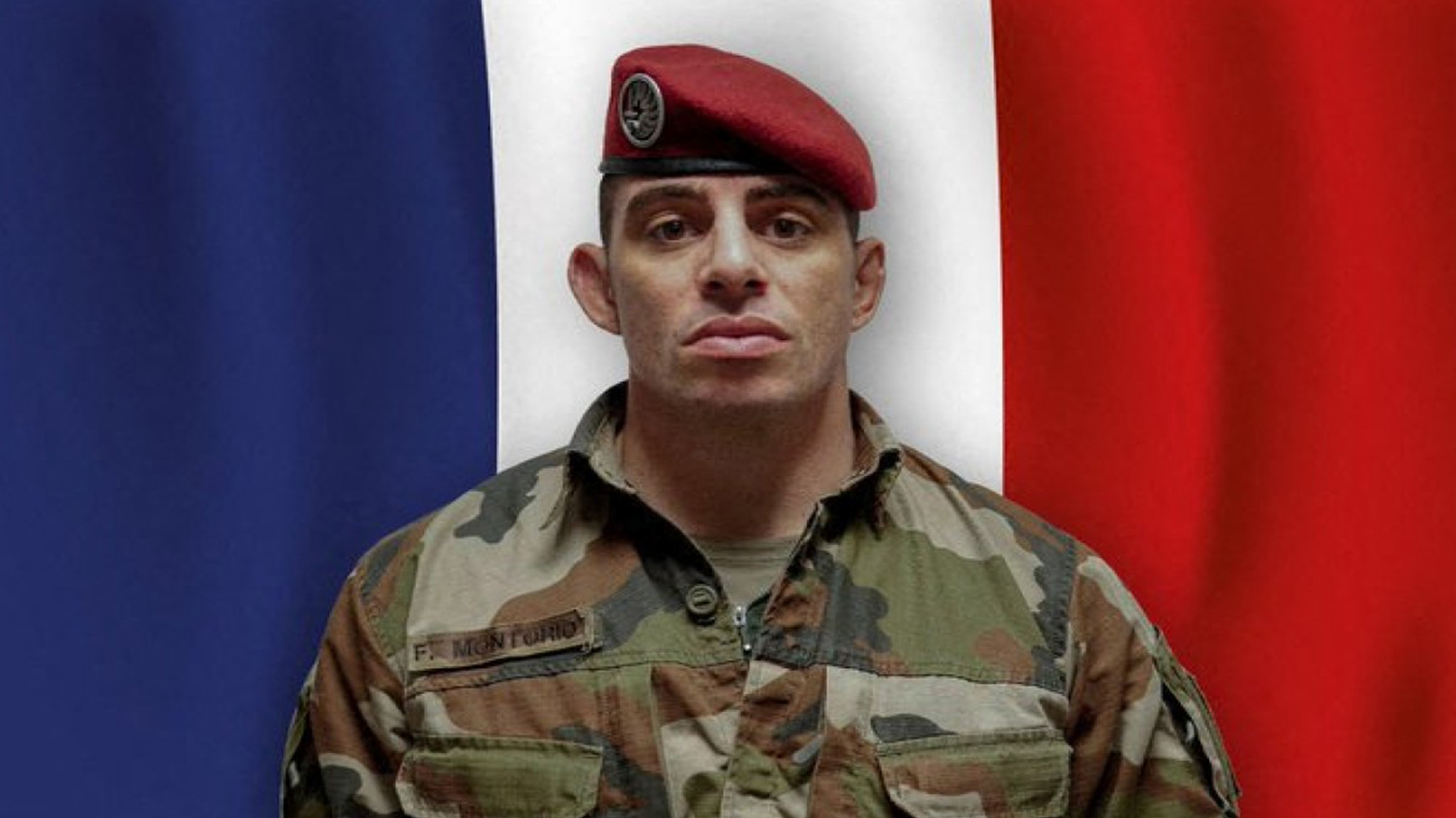
France identified the fallen soldier as Staff Sergeant Florian Montorio, who was fatally shot during the ambush. French Armed Forces Minister Catherine Vautrin said Montorio was evacuated under fire by his comrades but could not be revived.
French President Emmanuel Macron condemned the attack as “unacceptable” and said that “everything points” to Hezbollah’s involvement. In calls with Lebanese President Joseph Aoun and Prime Minister Nawaf Salam, Macron urged authorities in Beirut to ensure the protection of UN peacekeepers and bring those responsible to justice.
UNIFIL said its initial assessment indicated the attack was carried out by “non-state actors,” adding that it was “allegedly” Hezbollah and describing the incident as a “deliberate attack” that could amount to war crimes. Two of the wounded peacekeepers remain in serious condition.
Hezbollah denied any involvement, calling the accusations “baseless” and urging caution pending the outcome of an investigation launched by the Lebanese army. The group has strongly opposed ongoing diplomatic efforts between Lebanon and Israel, distancing itself from state-led negotiations.
The attack comes just days after Israel and Lebanon agreed to a 10-day ceasefire aimed at ending six weeks of intense fighting between Israeli forces and Hezbollah.
The conflict, part of the broader Middle East war, has devastated large parts of southern Lebanon and displaced thousands. Last month, three Indonesian peacekeepers were killed in separate incidents attributed to both sides.
Despite the truce, tensions remain high. The Israeli military announced it had established a “Yellow Line” in southern Lebanon, a demarcation zone similar to arrangements used in Gaza, and said it had carried out strikes against what it described as militant threats near its forces.
Israel maintains that actions taken in self-defense are not restricted by the ceasefire. The war, which began on March 2, has killed nearly 2,300 people in Lebanon, according to local authorities, and caused widespread destruction in southern areas, including cities such as Nabatiyeh.
UN peacekeepers have increasingly found themselves caught in the crossfire. UNIFIL, deployed since 1978 to monitor hostilities along the Lebanon-Israel border, has reported repeated incidents involving both Israeli forces and Hezbollah since the escalation began.
The killing of the French soldier marks the second French fatality linked to the broader regional conflict in recent weeks, following the death of another serviceman in the Kurdistan Region in a drone attack, which French officials attributed to Iran-backed Iraqi militias amid escalating hostilities linked to the wider U.S.-Israel-Iran war.
The attack, which targeted coalition-linked positions in the capital Erbil, marked a significant expansion of the conflict’s geographic scope and highlighted the growing risks faced by international personnel operating in Iraq and the wider region, where Iran-aligned armed groups have intensified attacks on Western interests.
Lebanese officials have condemned the latest incident. President Aoun vowed that those responsible would be prosecuted, while Prime Minister Salam ordered an immediate investigation.
Both leaders reiterated their commitment to safeguarding international peacekeepers operating in the country.
The attack underscores the fragility of the current ceasefire and raises concerns that renewed violence could derail diplomatic efforts.
With UNIFIL’s mandate set to expire later this year, the security of peacekeeping forces—and their role as a buffer between Israel and Hezbollah—remains increasingly uncertain.