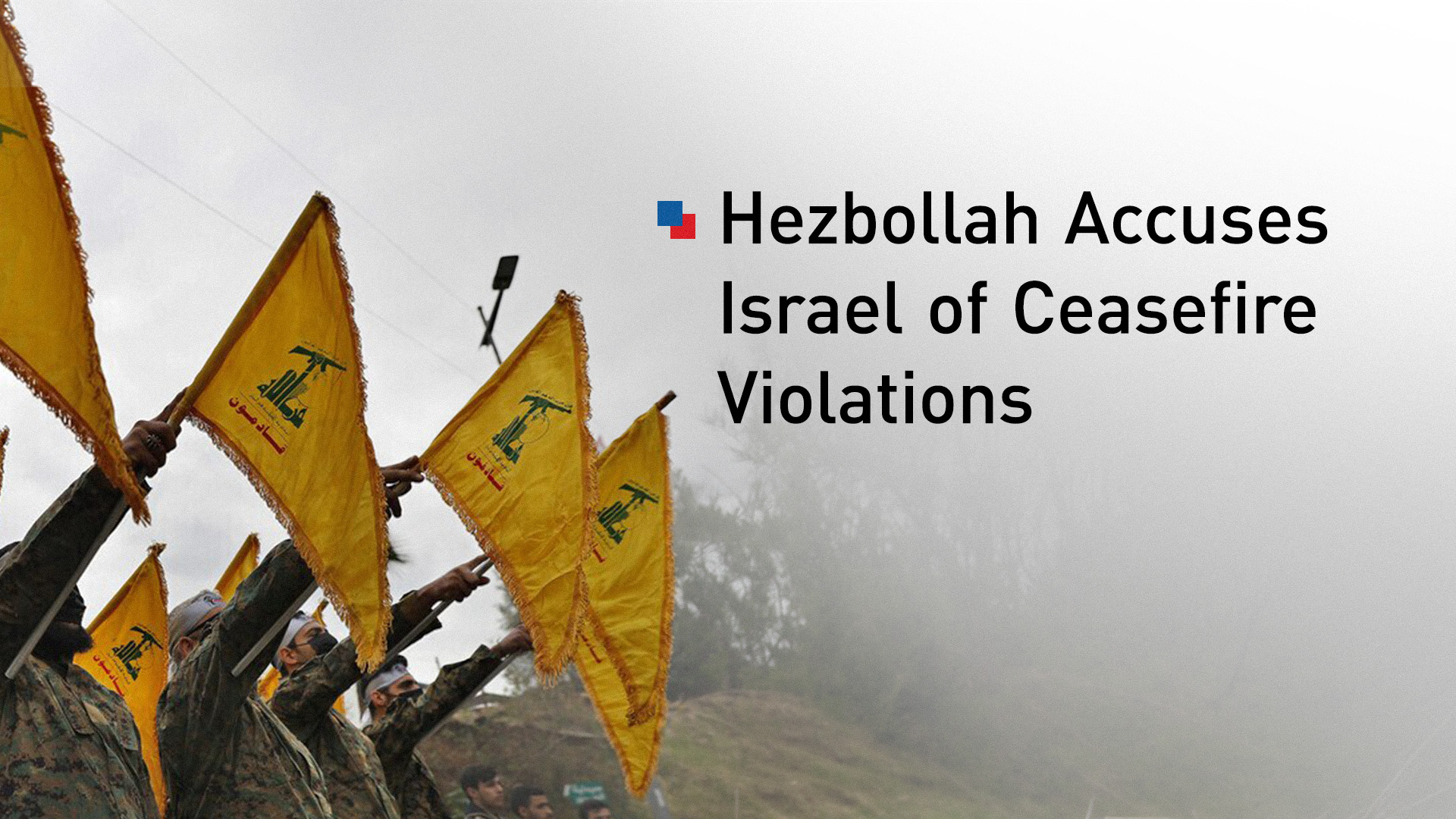
Lebanese Hezbollah Accuses Israel of Ceasefire Violations Amid Heightened Military Readiness
In a statement to Kurdistan24, Qamati asserted that several violations have occurred since the ceasefire commenced, detailing a sustained pattern of Israeli military actions in Lebanese territory. Lebanon's Hezbollah maintains combat readiness amid fragile 10-day U.S.-brokered truce.
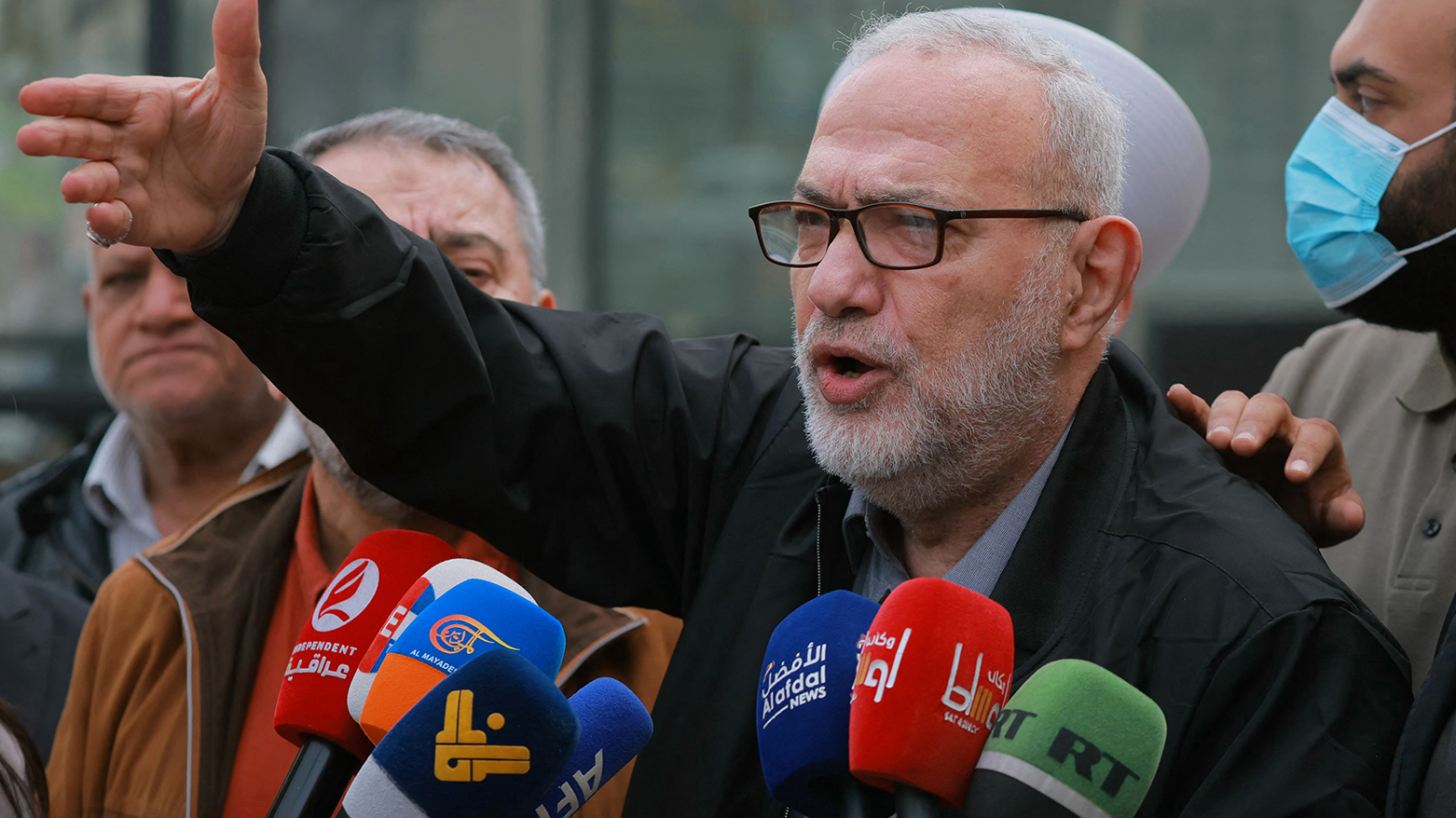
ERBIL (Kurdistan24) - The Deputy Chairman of the High Political Council of Lebanese Hezbollah, Mahmoud Qamati, told Kurdistan24 on Monday that the Israeli military has repeatedly violated a recently implemented 10-day ceasefire, warning that the group’s forces maintain full operational readiness should hostilities resume. The allegations surface as regional and international actors struggle to stabilize a cessation of hostilities intended to facilitate diplomatic negotiations and humanitarian access.
In a statement to Kurdistan24, Qamati asserted that several violations have occurred since the ceasefire commenced, detailing a sustained pattern of Israeli military actions in Lebanese territory.
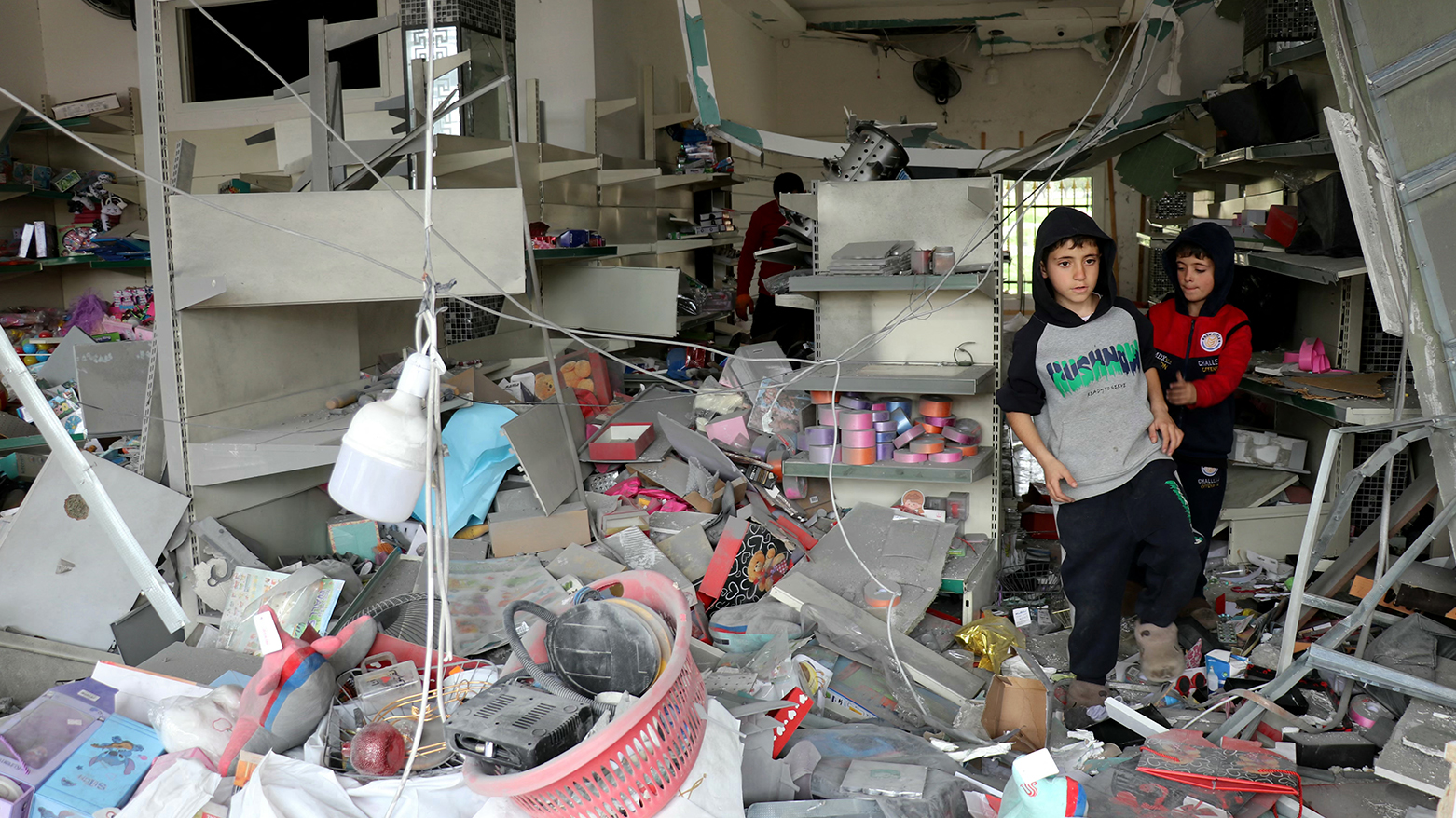
According to the Hezbollah official, these infractions include the deployment of unmanned aerial vehicles (UAVs) and warplanes, localized artillery shelling, and the demolition of residential structures. Qamati emphasized that these operations have resulted in the targeting and death of ordinary civilians.
The accusations of ceasefire violations underscore the fragility of the current diplomatic framework established by the United States.
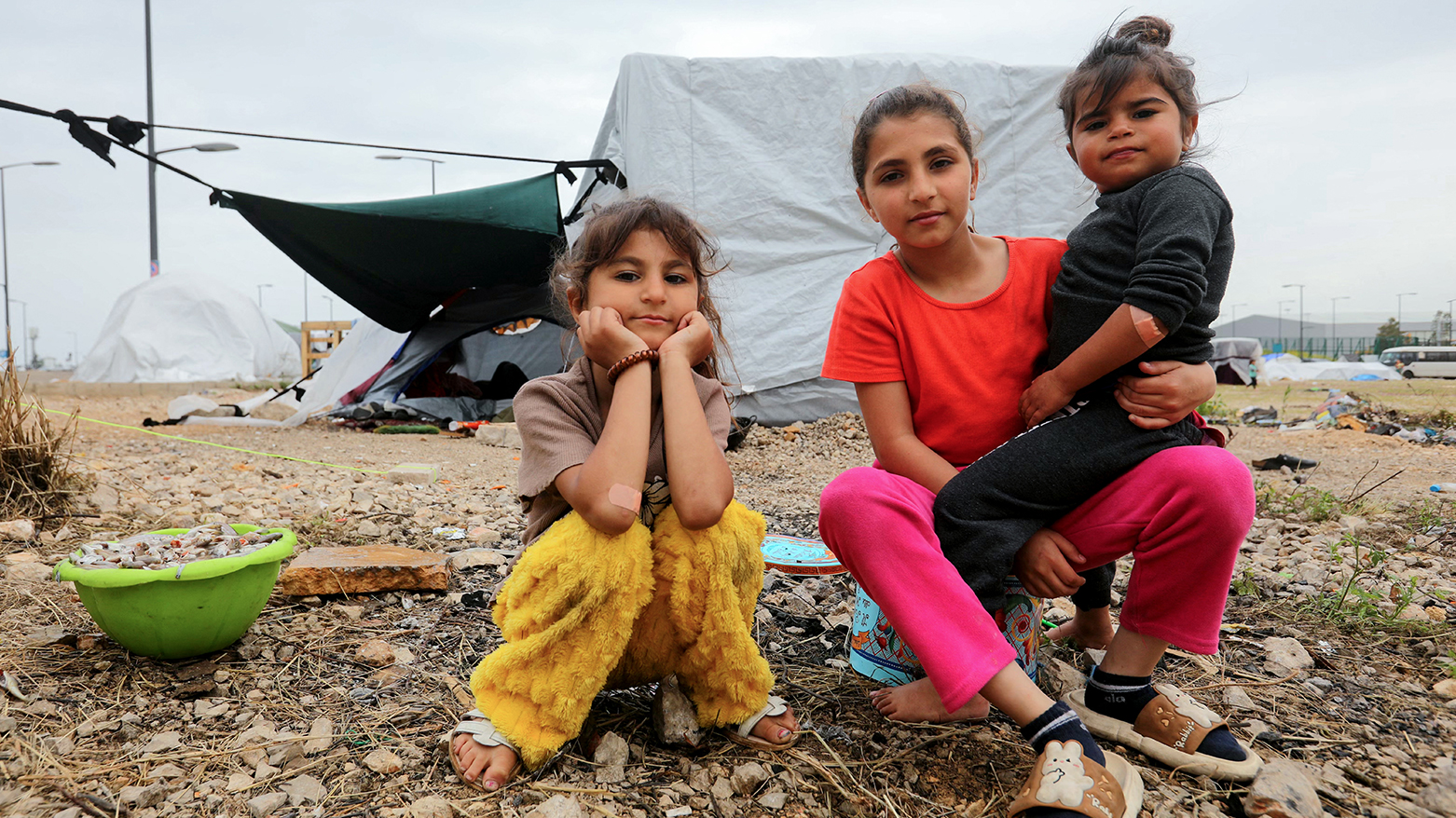
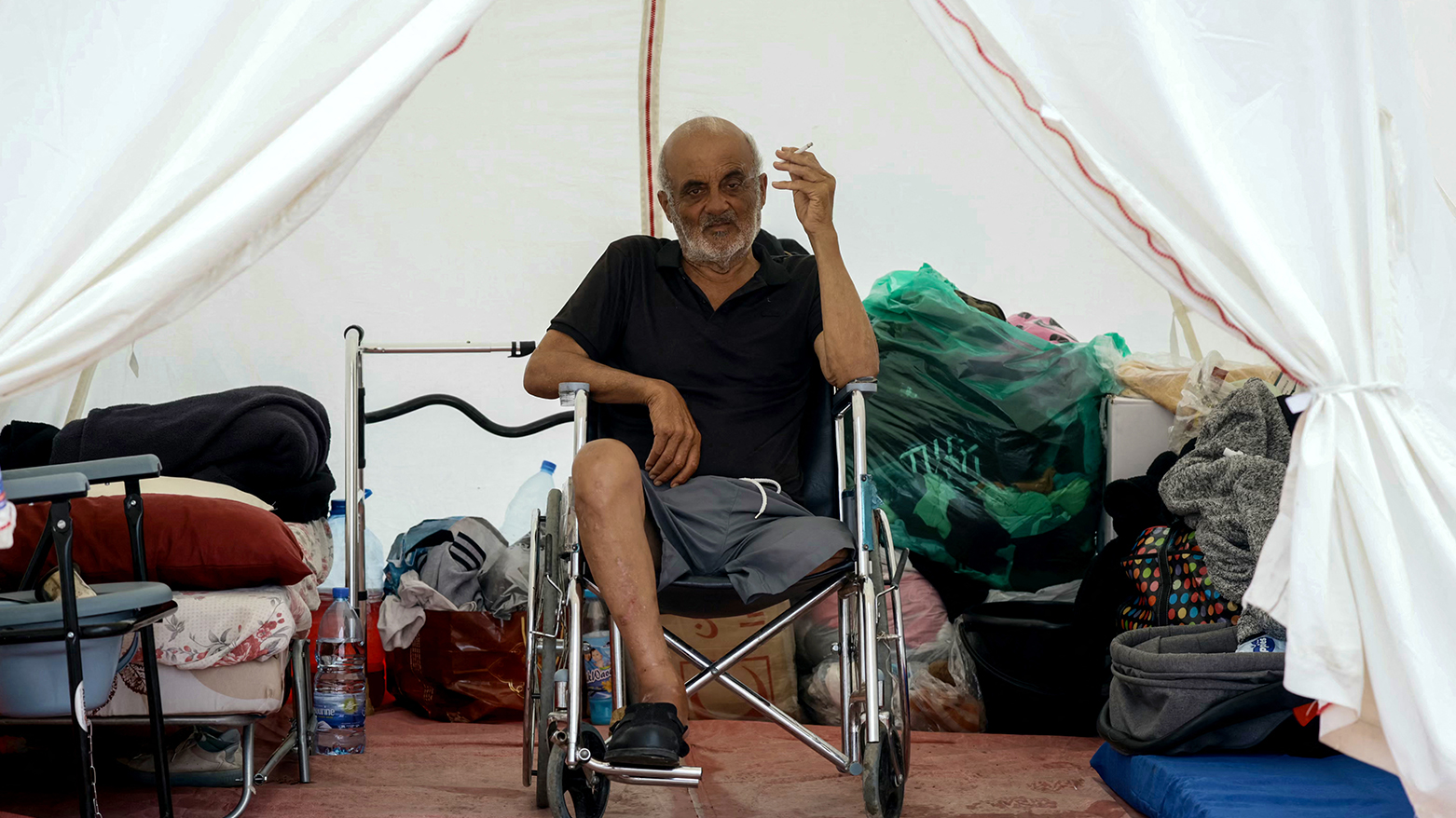
If the operational pause collapses, it risks reigniting a multi-front conflict that has already displaced approximately one million Lebanese citizens—roughly 20 percent of the country’s population.
The localized breakdown of the truce not only threatens immediate humanitarian relief efforts but also complicates the broader geopolitical architecture, as the Lebanese theater remains inextricably linked to the ongoing strategic conflict between Washington, Tel Aviv, and Tehran.
Addressing the potential for a resumption of full-scale warfare, Qamati confirmed that Hezbollah’s military wings remain mobilized. He clarified that the group’s forces are constantly ready, with "hands on the trigger," asserting that their missile arsenals and broader military capabilities are prepared to respond to any tactical development.
The current 10-day ceasefire was announced on Friday, April 20, 2026, by U.S. President Donald Trump. The diplomatic initiative was designed to temporarily halt the escalating border tensions, establish a window for broader political negotiations, and allow international organizations to deliver urgent humanitarian aid to affected populations.
The announcement followed an unprecedented meeting between the Lebanese and Israeli ambassadors in Washington—the first direct diplomatic engagement between the two nations in decades, given that Lebanon and Israel have legally remained in a state of war since 1948.
Evaluating the international response to the conflict, Qamati characterized the global community as fundamentally divided. He stated that while Israel and the United States maintain an aligned strategic posture, European nations and various Arab states oppose the continuation of military attacks and advocate for a permanent cessation of the war.
The immediate roots of the current crisis in the Levant stem from the broader regional conflict initiated earlier this year. Following coordinated U.S. and Israeli airstrikes on Iranian territory on Feb. 28, 2026, which resulted in the death of Iranian Supreme Leader Ali Khamenei, Lebanese Hezbollah formally entered the military theater.
On March 2, 2026, acting in direct support of Tehran, Hezbollah launched intensive barrages, directing hundreds of missiles and drones toward northern Israel, with a specific focus on military installations near the city of Haifa.
According to military data from the initial phase of the conflict, Hezbollah and Iranian forces jointly executed more than 850 missile and drone attacks against Israeli targets throughout March 2026.
This northern front was simultaneously augmented by Houthi militant forces in Yemen, who publicly declared that their southern attacks on Israel were conducted in direct operational coordination with Iran and Hezbollah.
In response to Hezbollah's formalized participation in the war, the Israeli military initiated a comprehensive aerial campaign targeting infrastructure in Beirut, the Bekaa Valley, and southern Lebanon. The conflict escalated on March 16, 2026, when Israeli ground forces crossed the Blue Line into southern Lebanese territory.
The subsequent ground engagements between the Israeli Defense Forces (IDF) and Hezbollah militants resulted in dozens of fatalities among both military personnel and armed combatants, significantly exacerbating the civilian casualty toll.
The unilateral military actions by Hezbollah precipitated a profound institutional crisis within the Lebanese state. The Lebanese government, led by Prime Minister Nawaf Salam, formally ordered the cessation of all Hezbollah military activities in an attempt to insulate the country from the expanding regional war.
In a subsequent diplomatic maneuver intended to curtail Iranian influence over domestic Lebanese affairs, the Ministry of Foreign Affairs designated the newly appointed Iranian ambassador as persona non grata, issuing a formal directive for his expulsion from the country. Hezbollah leadership strongly condemned the government's diplomatic action, publicly characterizing the expulsion of the Iranian envoy as a "national and strategic mistake."
The divergence between the Lebanese state's diplomatic posture and Hezbollah's military operations highlights a deep structural fracture within Lebanon's governance framework.
While the central government in Beirut attempts to enforce state sovereignty and adhere to the U.S.-brokered ceasefire, Hezbollah maintains independent military agency, linking its operational decisions directly to the broader strategic objectives of the "Axis of Resistance."
As the 10-day ceasefire window narrows, the lack of a unified Lebanese institutional response severely complicates international mediation efforts. With Hezbollah alleging ongoing Israeli violations and maintaining full combat readiness, and the Israeli military continuing localized operations, the parameters of the truce appear highly unstable.
The immediate trajectory of the conflict now depends on whether international mediators in Washington can compel adherence to the ceasefire terms before isolated tactical engagements cascade back into synchronized regional warfare.