US, Iran Envoys to Arrive in Islamabad for Talks as Ceasefire Deadline Nears: AP
US Vice President JD Vance and Iran’s Parliament Speaker Ghalibaf are expected in Islamabad for talks, as ceasefire deadlines near and key disputes remain unresolved.
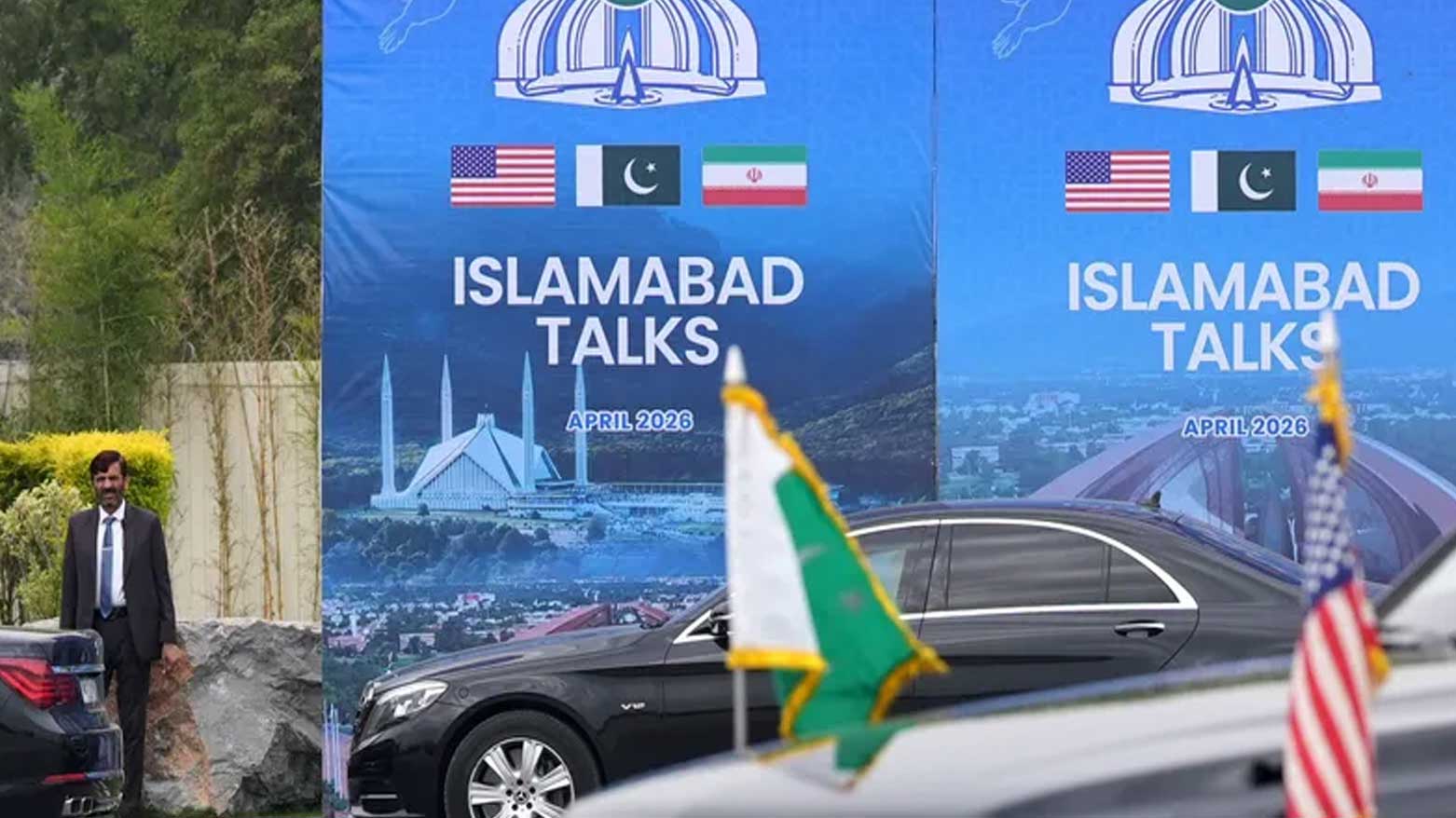
ERBIL (Kurdistan 24) — Pakistani mediators confirmed that U.S. Vice President JD Vance and Iran’s Parliament Speaker Mohammad Bagher Ghalibaf are expected to arrive in Islamabad on Tuesday for a new round of negotiations, as diplomatic efforts intensify ahead of a looming ceasefire deadline.
The Associated Press reported the planned visit, signaling a renewed attempt to advance talks between Washington and Tehran after earlier negotiations failed to produce a breakthrough.
The upcoming meeting follows a previous round of talks held in Islamabad that lasted more than 20 hours but ended without agreement, with key disputes remaining unresolved, particularly over Iran’s nuclear program and conditions surrounding maritime access in the Strait of Hormuz.
Iranian officials have since indicated that no new date had been finalized for negotiations, stressing that a framework of understanding must first be agreed before entering another round of talks.
At the same time, U.S. officials have maintained that discussions remain ongoing, with expectations that negotiations could resume as both sides attempt to prevent further escalation.
The diplomatic push comes as a two-week ceasefire, brokered through mediation by Pakistan on April 8, approaches its expiration, increasing urgency for progress.
The broader conflict began on Feb. 28, 2026, following large-scale airstrikes by the United States and Israel on Iranian military and political targets. In response, Iran launched missile and drone attacks against U.S. and Israeli interests across the region and moved to restrict maritime traffic through the Strait of Hormuz.
The waterway has since become a central point of dispute, with the United States enforcing a blockade on Iranian ports while Iran has imposed its own restrictions, leading to repeated cycles of closure and reopening.
These tensions have been further complicated by incidents at sea, including reports of vessel seizures and confrontations, as well as continued military warnings from both sides.
Parallel to direct negotiations, the conflict has expanded through the involvement of regional actors and Iran-aligned groups, adding complexity to efforts aimed at reaching a comprehensive agreement.
The anticipated arrival of senior officials in Islamabad reflects ongoing attempts to bridge these gaps, though uncertainty remains over whether the talks will lead to a concrete outcome.
With the ceasefire deadline approaching, the negotiations are seen as a critical juncture in determining whether the conflict moves toward de-escalation or returns to open confrontation.