UN Reports 7,900 Migration Deaths in 2025 Amid Policy Shifts
The United Nations reported that 7,900 people died or disappeared on migration routes in 2025, contributing to a total of more than 80,000 documented cases over the past twelve years.
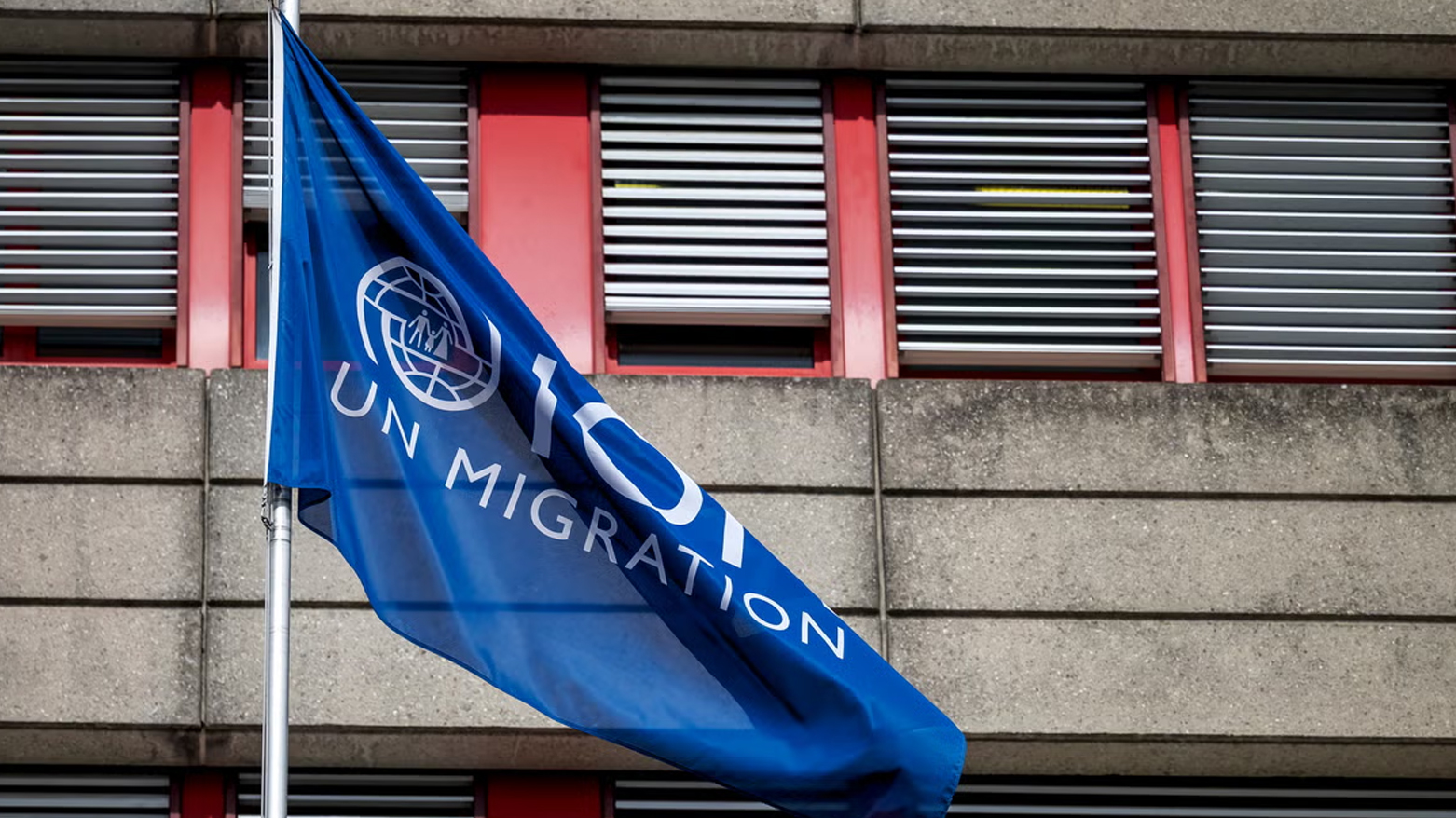
ERBIL (Kurdistan24) - The United Nations’ migration agency reported on Tuesday that approximately 7,900 individuals died or disappeared on global migration routes throughout 2025, a development that brings the total number of documented dead and missing since 2014 to more than 80,000.
According to the International Organization for Migration (IOM), these figures represent a conservative estimate of the true casualty count, as Safe pathways remain inaccessible and irregular journeys continue to be driven by escalating hostilities and shifting geopolitical policies.
The IOM stated on Tuesday that the documented death and disappearance of around 7,900 people in 2025 reflects a slight decrease from the 9,200 fatalities recorded in 2024, which remains the highest annual total on record.
Despite this marginal decline in documented cases, the agency indicated that the data marks a continuation of a global failure to prevent such deaths.
Officials noted that 2025 was characterized by significant aid cuts and the restriction of information regarding dangerous irregular routes, a combination that has rendered a growing number of missing migrants effectively invisible to international monitors.
This data follows a specialized situation report released by the IOM on April 17, 2026, which detailed an escalation of hostilities across the Middle East that has significantly impacted population mobility and infrastructure.
According to that report, extensive insecurity and the destruction of more than 125,000 civilian infrastructures in the Islamic Republic of Iran, including hospitals, schools, and emergency facilities, have severely degraded basic living conditions.
As of April 10, 2026, an estimated 300,000 people have had their homes directly affected by the conflict. Internal mobility within the country remains volatile, shaped by ongoing displacement and service disruptions.
IOM Director General Amy Pope said in a statement that routes are shifting in response to conflict, climate pressures, and policy changes, but emphasized that the risks remain very real. She noted that behind the reported figures are families waiting for news that may never come.
The agency emphasized that data remains critical to understanding these routes and designing interventions intended to reduce risks and promote safer migration pathways.
The primary report noted that in the Americas, northbound movements along the Central American route fell sharply compared to the previous year.
Maria Moita, the IOM’s humanitarian response and recovery director, attributed this shift to the significant change in migration policies by the United States administration and the closure of the southern border. However, the agency also cited a dearth of data from both the United States and Mexico, as well as a lack of organizational capacity in the region due to funding cuts.
In Europe, while overall arrivals declined, the demographic profile of movements shifted.
The IOM reported that Bangladeshi nationals became the largest group of arrivals, while Syrian arrivals decreased following political and policy changes. Some 3,400 deaths and disappearances were documented on sea routes leading to Europe.
Of those, 1,330 occurred on the central Mediterranean Sea route, and more than 1,200 were recorded on the Western Africa-Atlantic route to Spain's Canary Islands.
Additionally, the Bay of Bengal and the Andaman Sea saw nearly 900 documented deaths and disappearances during sea crossings in 2025, marking the deadliest year on record for a route used almost exclusively by Rohingya refugees.
The April 17 situation report further detailed the humanitarian strain in Lebanon and Syria.
According to the document, more than one million people are internally displaced in Lebanon, with the vast majority relying on informal hosting arrangements.
Since early March 2026, more than 400,000 cross-border movements into Syria have been recorded, compounding pressures on a system described as already fragile. Funding gaps have resulted in the suspension of certain emergency transportation services, including those required for displaced persons to access healthcare.
Operational data from the IOM for the period of April 8 to April 14, 2026, showed that the agency assisted 754 individuals in the Islamic Republic of Iran with cash-based initiatives, including multipurpose assistance and cash for protection and health.
During the same period, 3,439 returnees arriving in Afghanistan from the Islamic Republic of Iran received assistance at transit centers in Herat and Nimroz.
The agency also donated two hemodialysis machines to hospitals in Sistan and Baluchestan to maintain life-saving services amid increased pressure on the health infrastructure.
The IOM has identified several priority gaps requiring additional investment to sustain its response.
These include the scaling up of assistance for displaced populations in Lebanon for shelter and mental health support, as well as the strengthening of mobility data and early warning systems across Iran, Afghanistan, Lebanon, Syria, and Iraq.
The agency also noted the need for targeted investment to support the evacuation and return of third-country nationals (TCNs) from the Islamic Republic of Iran and Lebanon. In Lebanon, the IOM has received nearly 600 requests for evacuation assistance since March.
Since 2014, the missing migrant crisis has directly affected an estimated 340,000 family members, according to the migration agency. These families face significant psychological, legal, and economic impacts due to unresolved disappearances.
The IOM concluded its assessment by stating that sustained political will is required to save lives on migration routes and to provide visibility to the families impacted by these losses.