Iran-backed Militias Increased Attacks Across Gulf During Regional Conflict
Iran-backed militias launched nearly 1,000 drone attacks over five weeks, with many originating from Iraq, expanding the Gulf conflict across multiple fronts
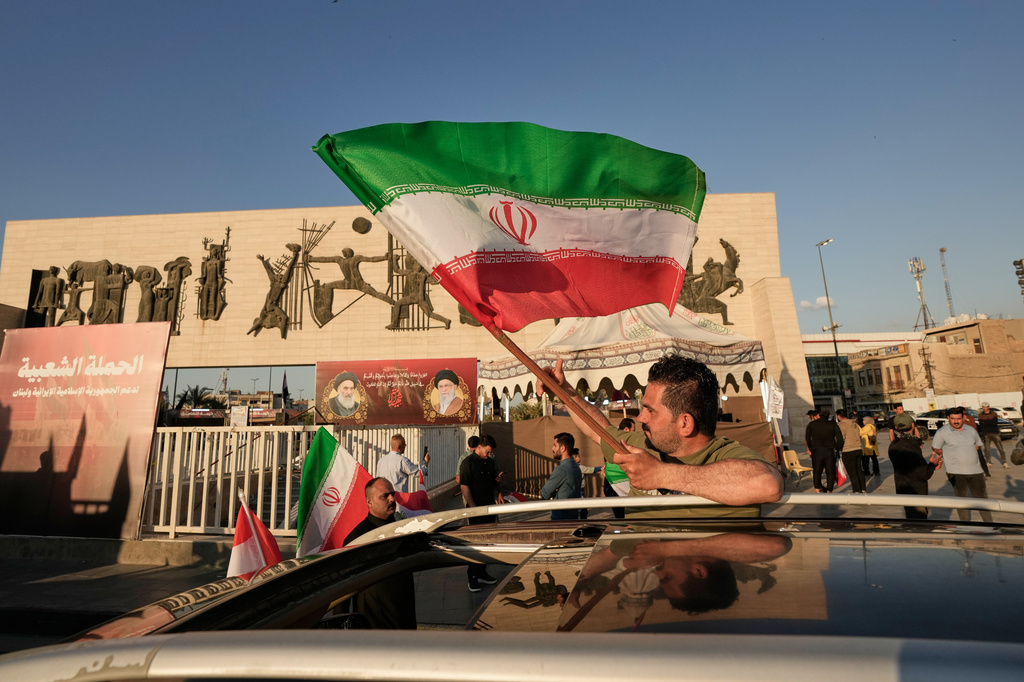
ERBIL (Kurdistan 24) — Iran-backed militias in Iraq intensified what The Wall Street Journal described on Tuesday as a “shadow war within a war,” launching waves of explosive drone attacks across the Gulf and drawing some of the region’s largest oil producers closer to direct confrontation.
The report details how, over more than five weeks of fighting following the outbreak of the US-Israel war with Iran on Feb. 28, 2026, militia groups carried out dozens of drone strikes targeting Saudi Arabia, Kuwait, Bahrain, and strategic sites inside Iraq itself.
According to assessments cited in the report, up to half of nearly 1,000 drone attacks on Saudi Arabia originated from Iraqi territory, underscoring the scale of militia involvement and the geographic expansion of the conflict.
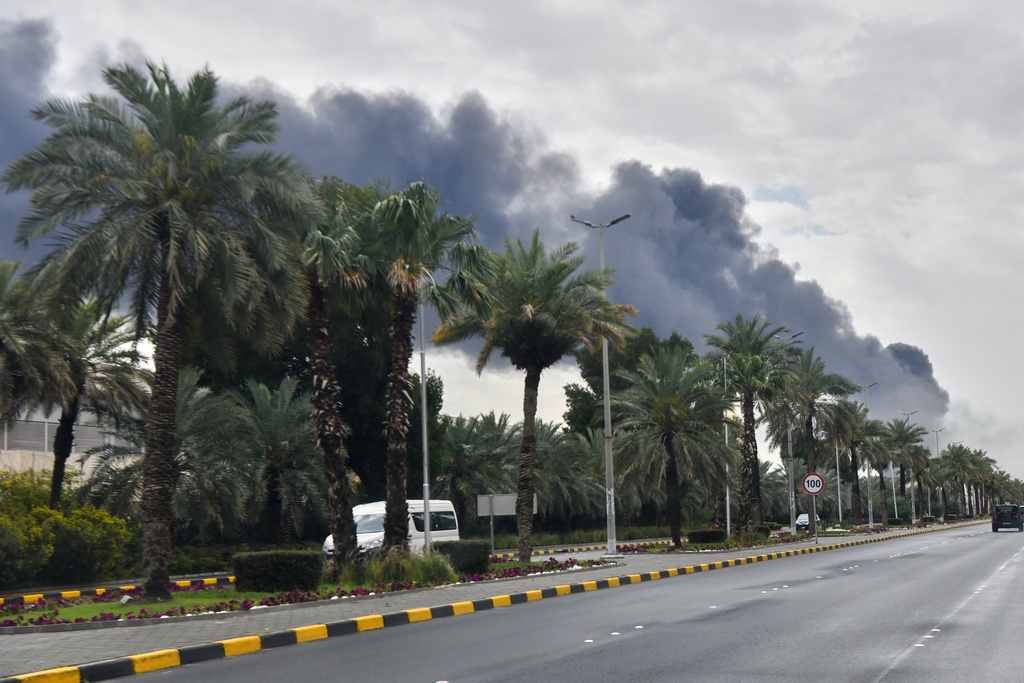
The attacks struck key energy infrastructure, including a refinery in the sensitive Yanbu oil hub on the Red Sea and oil fields in Saudi Arabia’s Eastern Province. These strikes highlight the strategic targeting of critical economic assets, amplifying the broader impact of the conflict on global energy markets.
The reach of the attacks extended beyond Saudi Arabia. Drones launched from Iraq targeted Kuwait’s only civilian airport, while Bahrain was also struck even after a ceasefire was announced earlier in the conflict, signaling that militia operations continued despite diplomatic efforts to reduce tensions.
Inside Iraq, the conflict has taken on an additional dimension. Militia groups targeted Gulf-linked assets within the country, including the Kuwaiti consulate in Basra and the United Arab Emirates’ consulate in the Kurdistan Region, further demonstrating how the confrontation is unfolding across multiple fronts simultaneously.
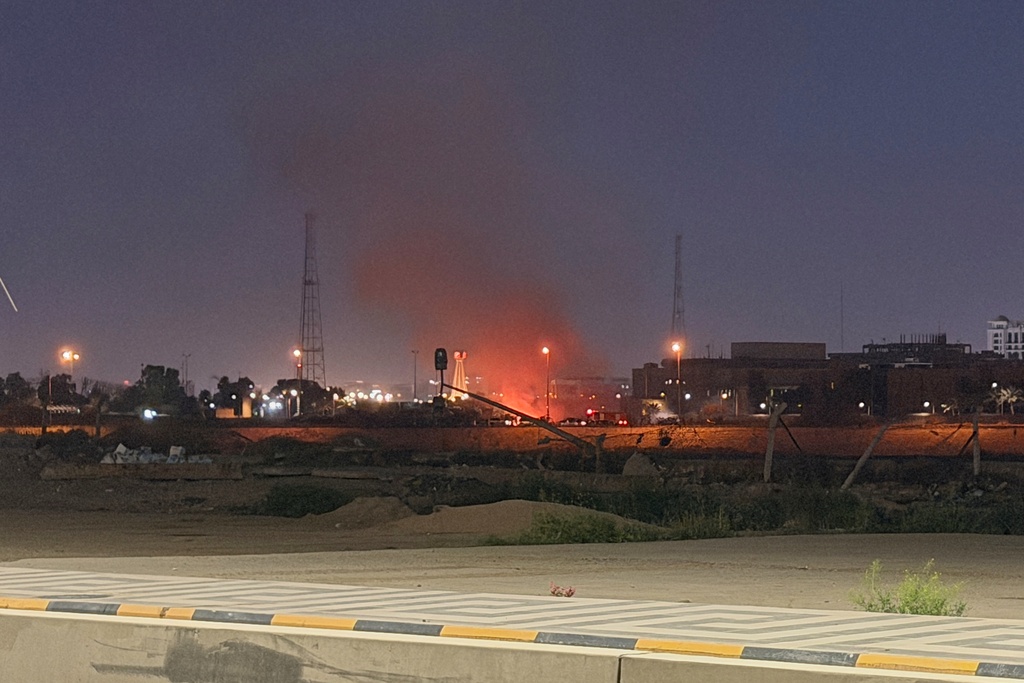
The report places these developments within the broader regional war involving the United States, Israel, and Iran. In parallel with militia activity, Iran itself has carried out extensive strikes, firing thousands of drones and missiles at regional targets, including US bases and allied infrastructure.
This layered approach — combining direct Iranian attacks with militia operations — has significantly expanded Tehran’s operational reach, allowing pressure to be applied across a wide geographic area while complicating response strategies for its adversaries.
Militia groups in Iraq, according to the report, now number in the dozens, with an estimated 250,000 members, access to billions of dollars in funding, and arsenals that include long-range missiles. Their growing capabilities have enabled sustained and coordinated attacks over the five-week period, marking a notable escalation compared to previous years.
Historically, these groups have targeted Gulf states over their ties to the United States and their opposition to Iran. However, the current intensity, frequency, and scale of attacks indicate a shift toward a more active and integrated role in the conflict.
The intensification of militia operations has also strained relations between Iraq and its Gulf neighbors. Concerns have emerged that these groups may be operating beyond the full control of the Iraqi central government, raising questions about authority and stability within the country.
The situation now reflects a broader transformation of the conflict, where proxy forces are no longer peripheral actors but central players shaping the trajectory of regional security dynamics.
Despite ceasefire announcements earlier in April, the report indicates that attacks did not fully halt, with drone strikes continuing in some cases even after the truce was declared. This has highlighted the limited immediate impact of ceasefire efforts on militia activity, suggesting that while diplomatic agreements may reduce large-scale state confrontation, they do not necessarily translate into an immediate cessation of proxy operations on the ground.
As the war continues, the “shadow war” described in the report illustrates how the battlefield has expanded far beyond direct state confrontation, embedding itself across borders and infrastructure in a way that increases both the complexity and the risks of further escalation.