An Act of Kindness Repaid with Occupation: An Afrin Family Fights to Reclaim Its Home
After offering their home rent-free during Syria’s war, a Kurdish family now faces years of legal and administrative hurdles to reclaim it, as similar property disputes persist across Afrin.
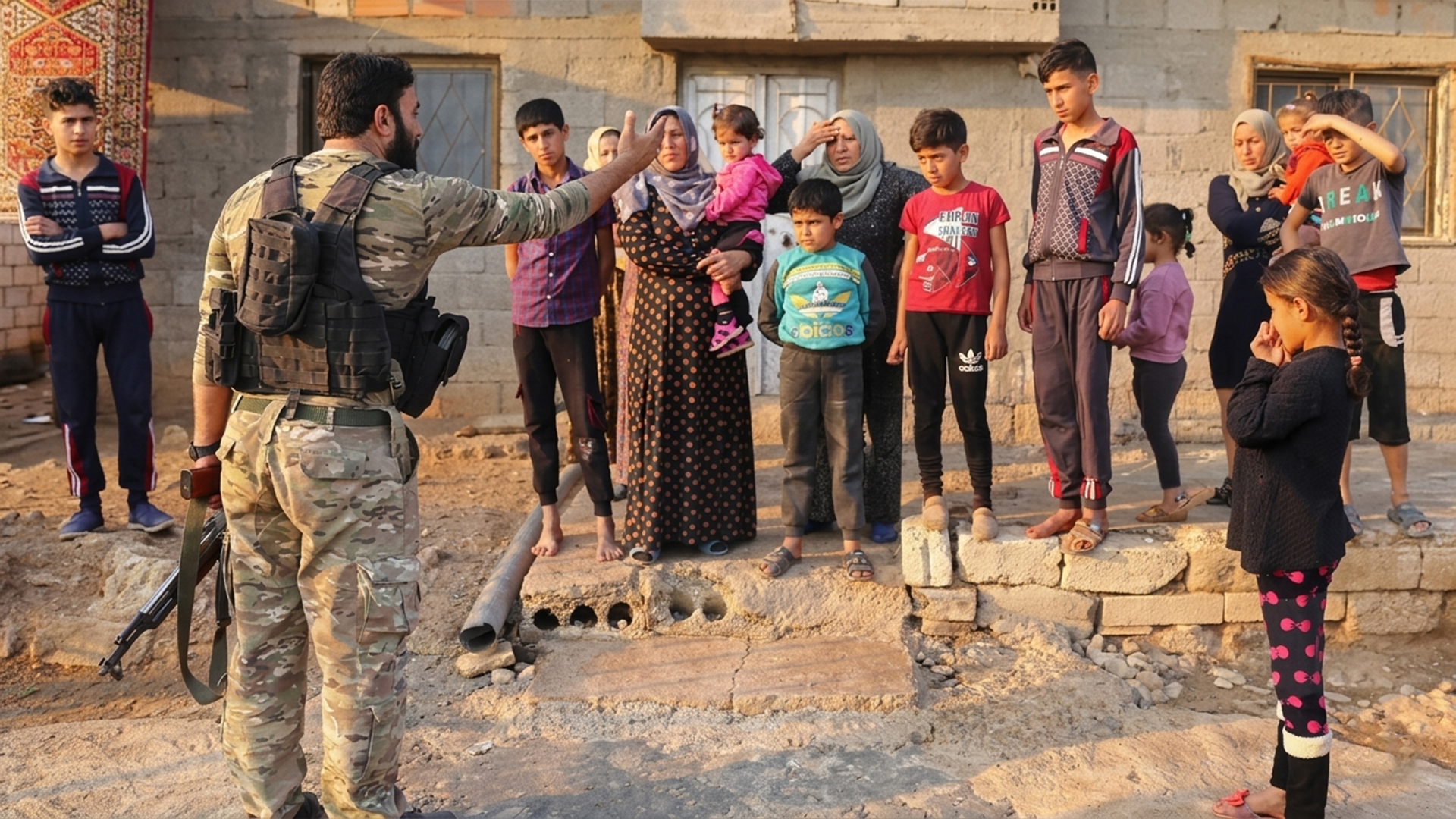
ERBIL (Kurdistan24) - What began as an act of compassion in the early years of Syria’s conflict has turned into a prolonged struggle for justice, as one Kurdish family remains unable to return to their own home in Afrin, a region in northwest Syria (Western Kurdistan), that has seen significant displacement and demographic change over the past decade.
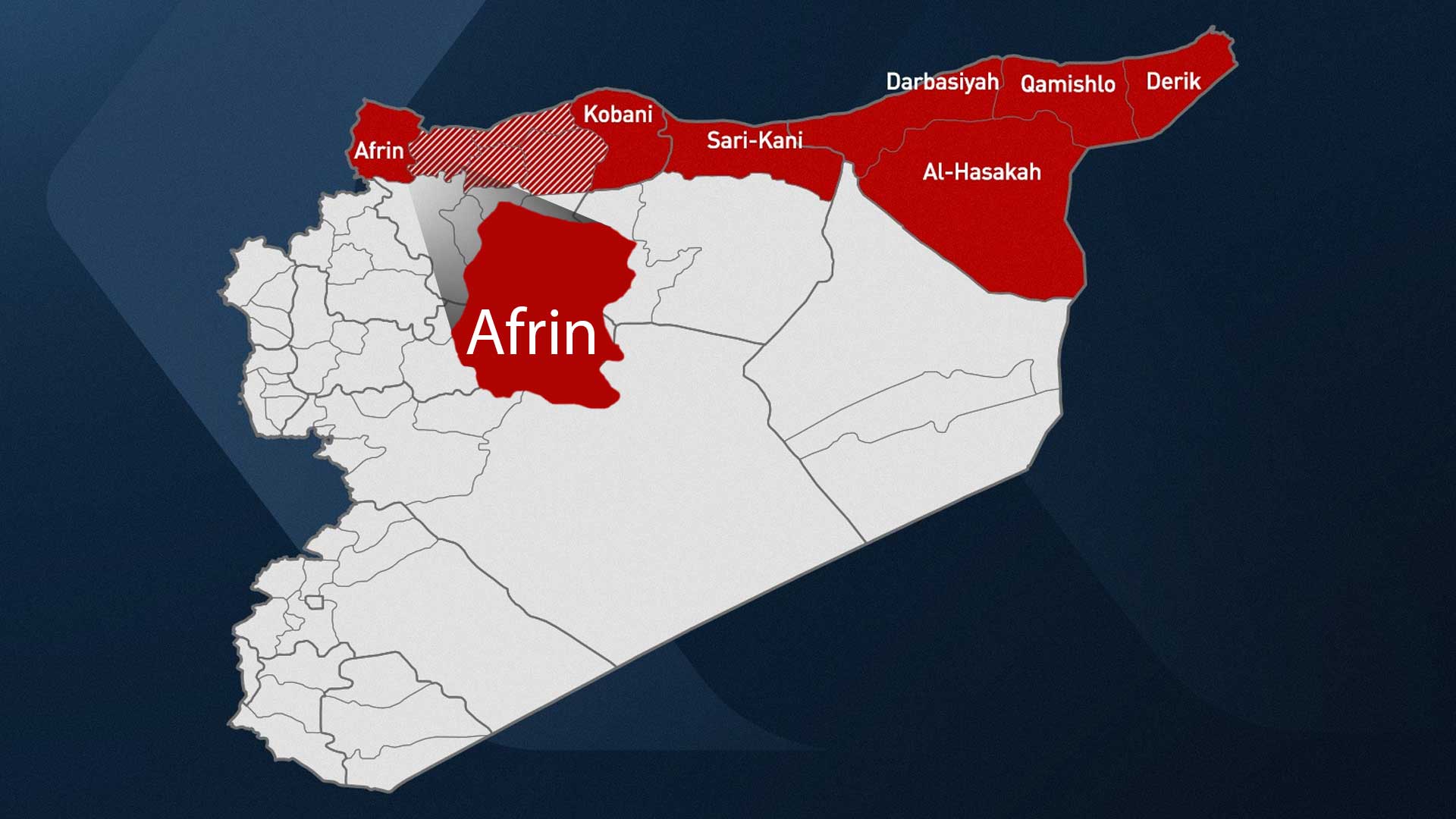
In an interview with Kurdistan24, Kemal Resûlo, an Afrin native, recounted his family’s seven-year effort to reclaim their house—now occupied by a family that is not from the region—despite repeated promises that it would be vacated.
Resûlo explained that his family left Afrin in 2011 due to a lack of stable income and housing, relocating to Türkiye in search of work.
After several years of labor, they saved enough money to purchase a home in Afrin, intending it to serve as the foundation for their eventual return.
However, as the conflict in Syria intensified, Afrin became a destination for displaced civilians. During that period, Resûlo’s grandfather informed the family that people in need were seeking shelter in their vacant home.
According to Resûlo, his father declined to charge rent, choosing instead to offer the house freely as a humanitarian gesture.
“He said he would not take rent. He said let it be vacant, the people are in a war, let them stay there,” Resûlo recalled.
The occupants—an Arab family displaced from a village near Aleppo—have now lived in the property for nearly seven years.
Years later, when Resûlo’s father returned from the Kurdistan Region to reclaim the house for his children, he was met with repeated requests for delays.
The occupants initially asked for time to secure alternative housing, later suggesting they would need one to two years before leaving.
Resûlo emphasized that the family currently living in the house does not appear to face financial hardship.

“Their work is good in Afrin; they have shops, they have everything,” he said. “If they were poor, it would be understandable. But they can rent another house. We do not know why they are not leaving.”
Efforts to resolve the dispute through official channels have so far yielded no results. Resûlo said his father filed multiple complaints with local authorities, but no action was taken.
In response, he turned to social media to draw attention to the case. After his first public appeal, authorities reportedly promised the house would be returned within one to two weeks—yet no action followed.
A second appeal led to a meeting with the Afrin governor, who pledged the house would be vacated 20 days after the Eid holiday. That deadline also passed without implementation.
Resûlo has since issued further appeals, but the situation remains unresolved.
A Wider Pattern
While Resûlo’s case is personal, activists and local residents say it reflects a broader issue affecting property rights in Afrin.
In February 2026, activists from Afrin issued a formal warning to local authorities, including the district administration and security officials, calling for immediate action to evacuate homes occupied without the consent of their original owners and to restore property rights.
In a public statement, the activists said their demands had been repeatedly ignored despite being raised over a prolonged period. They warned that continued inaction could lead to public protests.
They also pointed to inconsistencies in how such cases are handled. According to local accounts, some occupants have refused to leave homes unless compensated financially, while others have agreed to vacate only after receiving payments for renovations or improvements made during their stay.
In some instances, homeowners have been able to reclaim their properties after paying such costs. In many other cases, however, disputes remain unresolved, contributing to growing frustration among residents.
Activists stressed that restoring property rights remains a fundamental demand and warned against what they described as ongoing violations and marginalization.
Between Hope and Uncertainty
Despite the ongoing dispute, Resûlo expressed cautious optimism about conditions in Afrin more broadly. He noted that humanitarian organizations like continue to operate in the region, providing support to local communities.
He specifically highlighted the role of the Barzani Charity Foundation (BCF), which has delivered aid to areas such as Jindires following the devastating earthquake in February 2023.
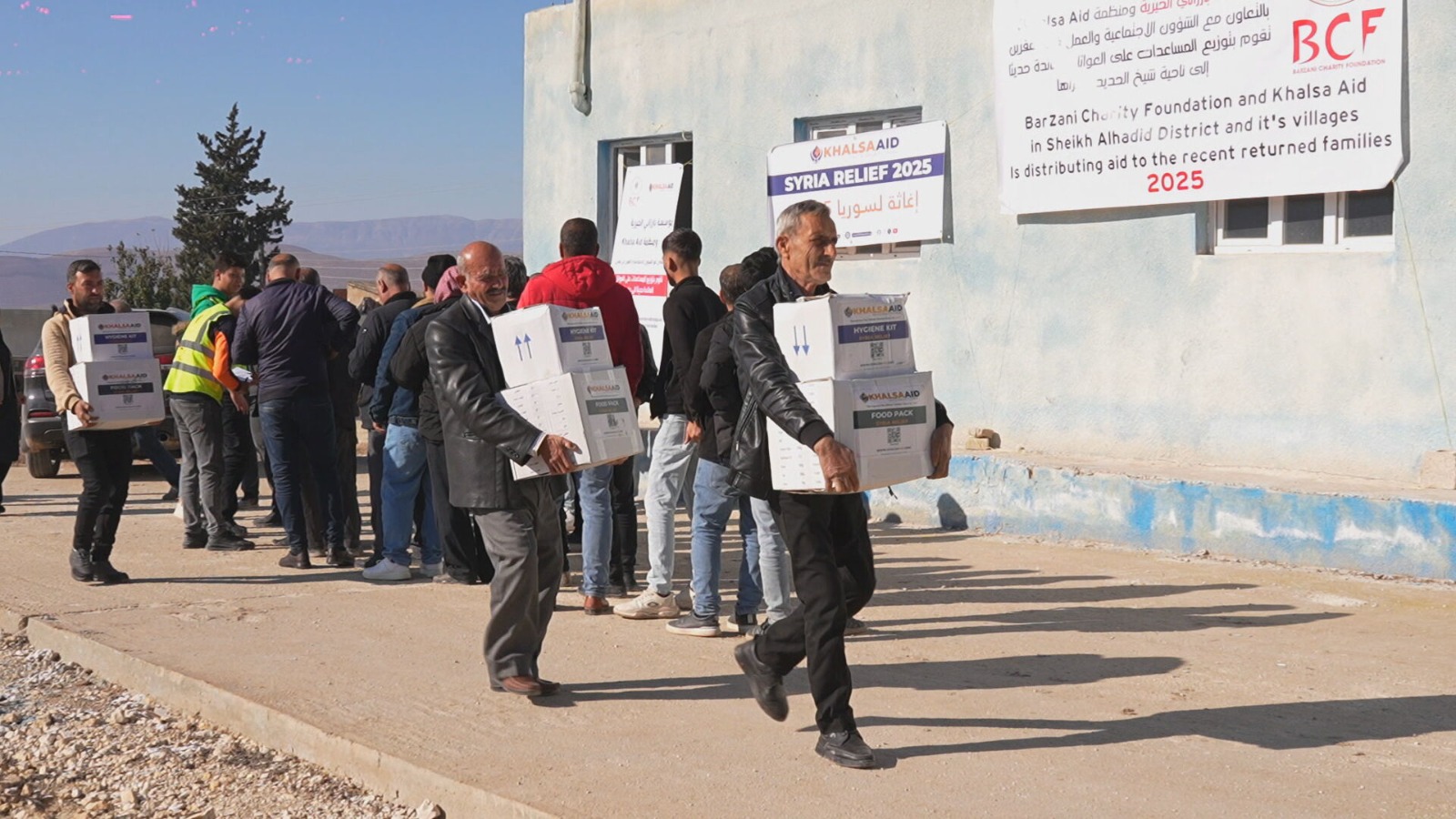
Resûlo also called on other displaced Afrin natives—many of whom remain in difficult conditions in Lebanon, Qamişlo, and Tabqa—to consider returning, citing the presence of assistance networks across the region’s villages.
“My request is simple,” he said. “I want my house back so I and my family—my mother, my sister, and my brother—can return to Afrin and live among our people.”
As his case continues without resolution, it highlights the complex realities of post-conflict recovery in northern Syria—where displacement, legal ambiguity, and governance challenges continue to shape daily life.
For families like Resûlo’s, the path home remains uncertain, even when the house itself is still standing.