Digital Governance at Scale: Kurdistan Region Expands E-Psûle Billing to Strategic Districts
A KRG digital platform has quietly crossed a major threshold, bringing hundreds of thousands more users into a cashless system and offering a glimpse of how public services in the Kurdistan Region may soon operate very differently.
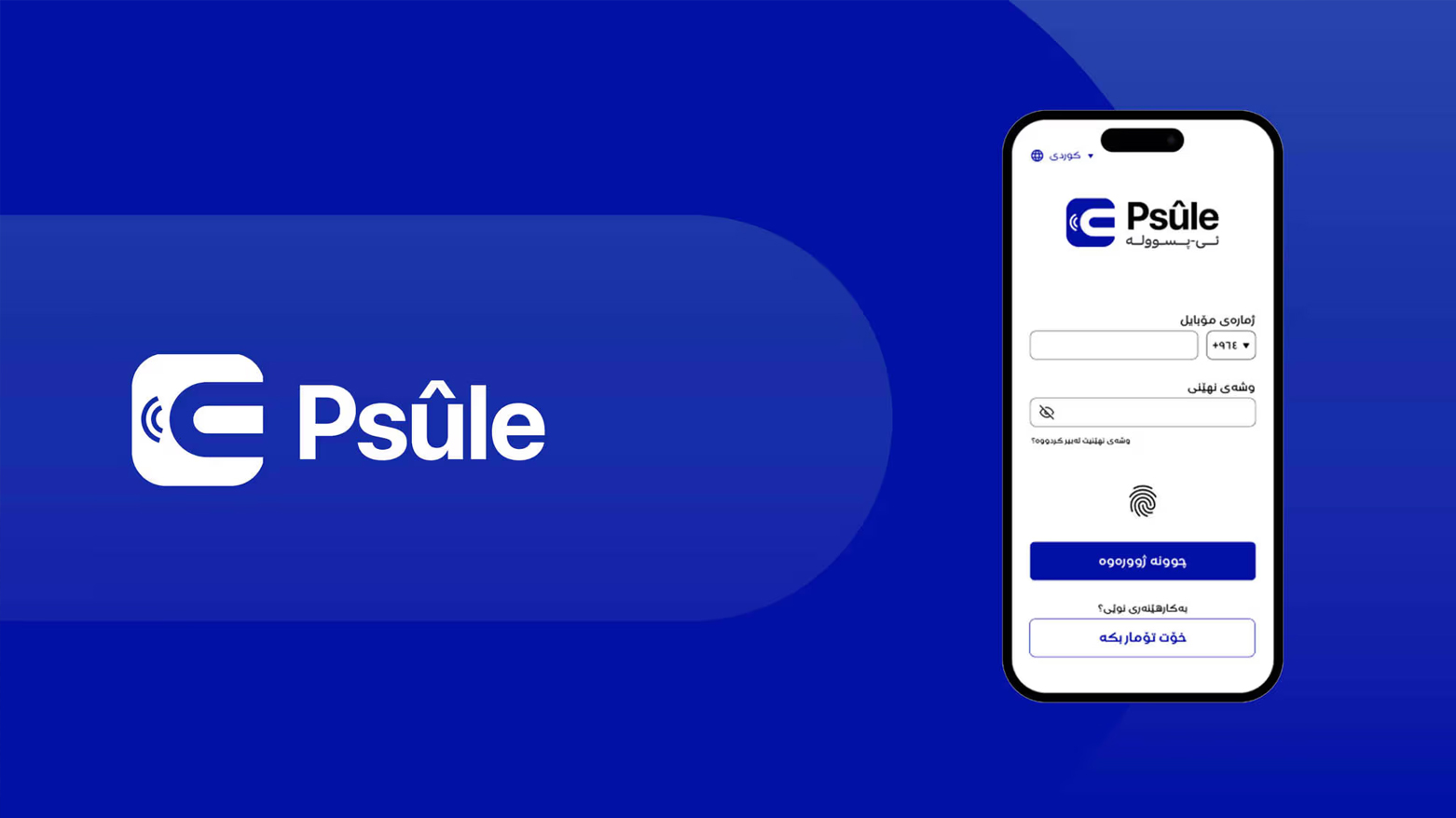
ERBIL (Kurdistan24) - The Kurdistan Regional Government's ambitious march toward a fully digitized bureaucracy reached a significant milestone this week as the Ministry of Electricity announced the activation of its unified digital billing system, e-Psûle, across five additional districts. The expansion into Garmian, Darbandikhan, Dukan, Chamchamal, and Said Sadiq signals a decisive scaling of the region's digital infrastructure, bringing approximately 280,000 new subscribers into a streamlined, cashless ecosystem.
This latest rollout is more than a technical update; it is a structural pillar of the broader "Runaki" (Light) project.
Launched in late 2024 by Prime Minister Masrour Barzani, Runaki aims to provide 24-hour electricity across the Kurdistan Region by the end of 2026. However, as the government stabilized power provision, a secondary challenge emerged: a legacy billing system that remained tethered to the inefficiencies of the past.
By integrating e-Psûle into these new districts, the KRG is attempting to resolve the friction between modern utility delivery and antiquated payment collection.
For decades, the experience of paying a utility bill in the Kurdistan Region was defined by physical queues and limited accessibility.
As noted by analyst Dilek Doski in a recent examination of the transition, the region's reliance on cash-based, in-person collections created high operational costs and a significant burden on the citizenry.
Read More: Cash Queues to Quick Clicks: How e-Psûle Is Transforming Bill Payments in the KRI
Payment services were restricted to a handful of locations with rigid office hours, a model Doski compares to the pre-ATM era of banking.
This centralized approach not only inconvenienced residents but also exposed them to the risks of carrying cash and hindered the government's ability to track revenue in real-time.
The shift from "cash queues to quick clicks" represents a fundamental reordering of the relationship between the state and the citizen.
The e-Psûle platform, fully owned by the KRG and licensed by the Central Bank of Iraq, allows users to view and settle their accounts instantly via mobile applications and digital wallets.
The rapid adoption of the system, surpassing 100,000 users within a short window, reflects a high degree of public readiness for digital solutions.
Read More: E-Psûle Users Surpass 100,000 as Iraqi Islamic Bank Joins Platform
According to data released by the KRG, the platform processed more than 25,000 bills in the days immediately following its initial launch, a figure that continues to climb as more districts are integrated.
Read More: Kurdistan Region's Electronic Payment Platform Handles 25,000 Bills Since Launch
Central to this success is the strategic integration of the region's banking sector.
The Iraqi Islamic Bank recently became the seventh major partner to join the platform, joining a roster that includes AsiaPay, FastPay, FIB, NassWallet, ZainCash, and Cihan Bank. This expansion of digital financial options is critical for fostering the "cashless" culture the administration envisions.
Read More: KRG Adds Iraqi Islamic Bank to e-Psûle Platform, Expands Digital Payment Options for Citizens
By allowing customers to use their existing banking apps to settle government dues, the KRG is effectively using e-Psûle as a catalyst for broader banking reform.
The institutional legitimacy of the project has been bolstered by a rare alignment between Erbil and Baghdad. During the platform's unveiling, Ali al-Alaq, Governor of the Central Bank of Iraq, lauded the Prime Minister's "hands-on" leadership in advancing digital reforms.
Read More: PM Masrour Barzani, Central Bank Governor Review Banking Reforms Following e-Psûle Launch
Al-Alaq emphasized that a secure, transparent electronic financial system is essential to restoring public trust in the banking sector, arguing that reliance on cash is no longer compatible with modern economic demands.
This sentiment was echoed by Prime Minister Barzani, who framed the digital journey as a means to make life easier for all citizens, regardless of their location.
Read More: Kurdistan PM Barzani Launches e-Psûle to Modernize and Simplify Public Services
To further accelerate this transition, the KRG has utilized aggressive economic incentives. A 30-day promotional period offered subscribers a 20 percent discount on electricity bills or outstanding loans paid through the e-Psûle gateway.
Read More: KRG Offers 20% Electricity Bill Discount for e-Psûle Users
This move served a dual purpose: providing immediate financial relief to households and acting as a powerful "nudge" to drive users toward the new digital channel.
Aziz Ahmad, Deputy Head of the Prime Minister's Office, highlighted on social media that such incentives are designed to strengthen financial awareness while rewarding those who embrace the state's modernization efforts.
The technological architecture of e-Psûle was designed with transparency as a priority. Unlike legacy systems where charges could be opaque, the digital platform provides itemized billing using standardized terminology.
Transactions are initiated solely by the user, ensuring that no automatic deductions occur without explicit consent. This design choice addresses long-standing public concerns regarding data privacy and financial control, fostering an environment of trust that is often missing in government-led digital initiatives.
Read More: Central Bank of Iraq Highlights PM Barzani's Leadership in Digital Transformation at e-Psûle Launch
Moreover, the platform supports a form of intergenerational inclusion.
By enabling younger, tech-savvy family members to assist elders with digital payments, the system bridges the gap between traditional practices and modern financial services. This social dimension is a vital component of the KRG's vision for a "citizen-centric" governance model that leverages technology to solve everyday problems.
As the e-Psûle system moves toward its goal of reaching one million customers by mid-2026, the current expansion into Garmian and the surrounding districts serves as a proof of concept for the regional government's capabilities.
Read More: Kurdistan Region Launches e-Psûle Digital Payment Platform
The successful synchronization of utility reform, banking integration, and digital billing suggests that the Kurdistan Region is moving past the pilot phase of its digital transformation.
For a region once defined by bureaucratic bottlenecks and cash dependency, the clicks are now replacing the queues, signaling a new era of efficiency and transparency in public service delivery.
|
Summary The Kurdistan Regional Government has expanded its e-Psûle digital billing system to five new districts, marking a major leap in its digital transformation strategy. With over 100,000 users and strong Central Bank support, the platform is modernizing public services and financial transparency. |