Iran President Says US Naval Blockade ‘Doomed To Fail’
Tehran warns of escalation as military officials signal possible response to ongoing US pressure in Gulf waters
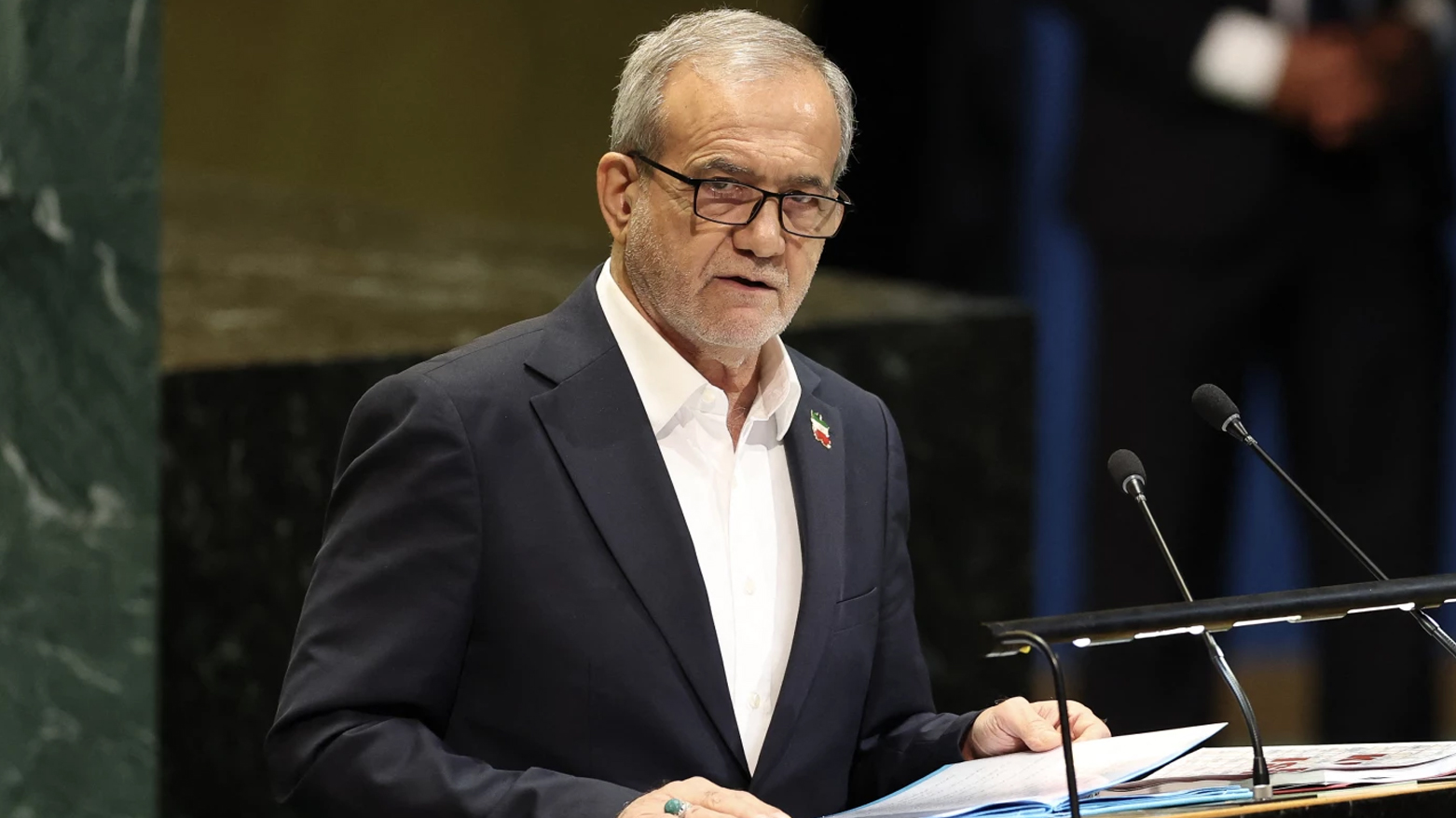
ERBIL (Kurdistan24) - Iranian President, Masoud Pezeshkian said on Thursday, that a US naval blockade of Iranian ports would fail and further destabilize the Gulf, warning it would only deepen regional tensions.
In a statement, Pezeshkian said any attempt to impose maritime restrictions violates international law and is “doomed to fail.”
“Such measures will not only fail to enhance regional security, but are in fact a source of tension and a disruption to lasting stability in the Persian Gulf,” he added.
The United States imposed the naval blockade on April 13, days after a ceasefire paused its war with Iran.
Amid the standoff, Iran has kept the strategic Strait of Hormuz closed, a critical route for global oil and gas shipments, while warning of potential retaliation if the blockade continues.
Mohsen Rezaei, a military adviser to Iran’s supreme leader, reiterated the warning, stating: “We will not tolerate the naval blockade. If it continues, Iran will respond.”
He cautioned that a new round of conflict could result in US ships being sunk and soldiers killed, adding that Iran could capture a large number of US personnel if war resumes.
Mohsen Paknejad downplayed concerns over the blockade’s impact on energy supplies, saying the US “will not gain any results.”
“Oil industry employees are working around the clock to ensure that there is no problem in providing services,” he said.
Separately, Shahram Irani indicated that Iran would soon deploy newly developed naval weaponry, signaling further military preparedness amid the ongoing tensions.
As rhetoric intensifies on both sides, the standoff over maritime control and energy routes continues to raise the risk of broader confrontation in one of the world’s most strategically vital regions.