Iran’s Supreme Leader Declares ‘US Defeat’ as Gulf Tensions Enter New Phase
Tehran signals assertive post-war stance amid stalled diplomacy, Hormuz crisis, and ongoing regional fallout
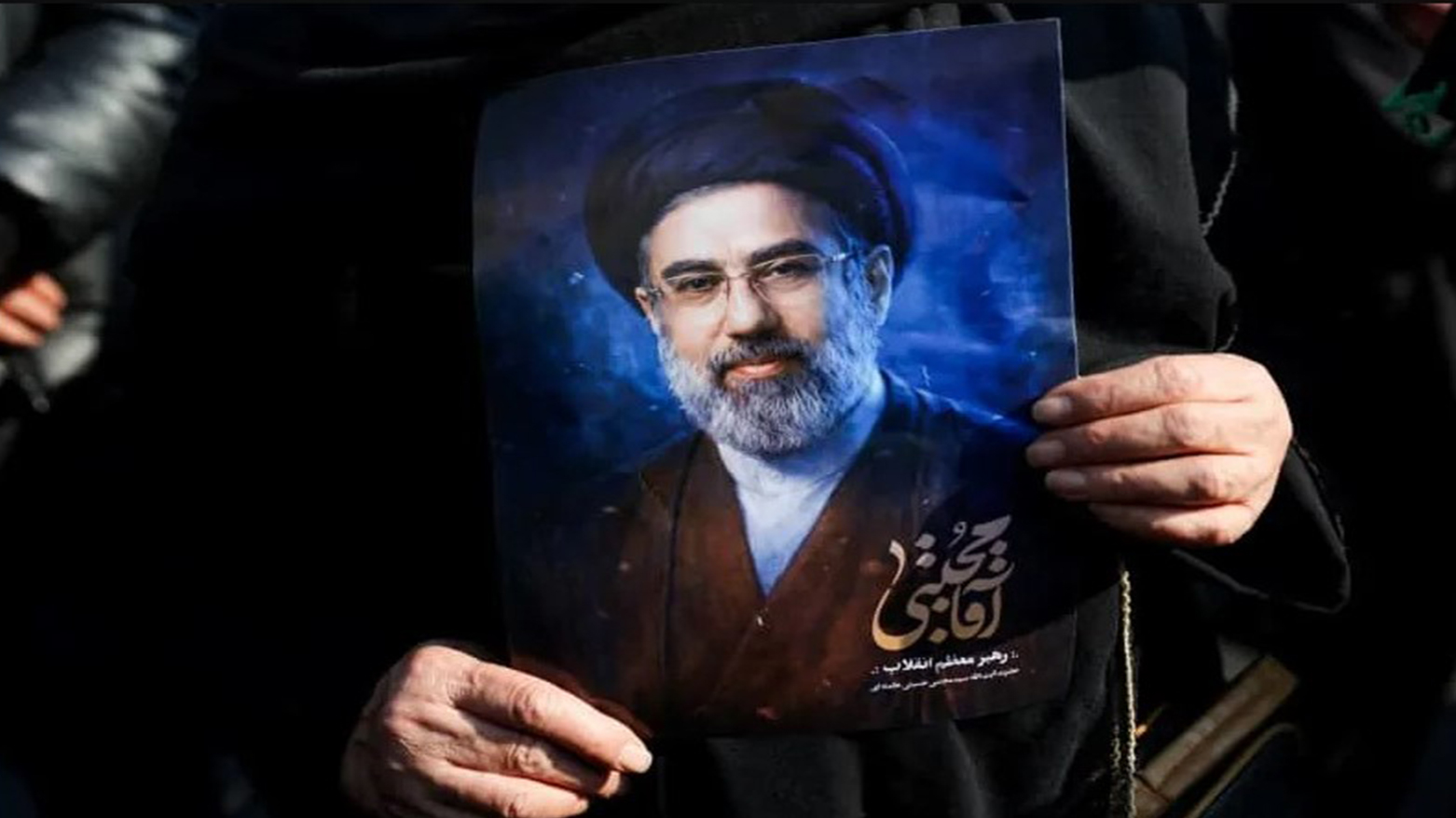
ERBIL (Kurdistan24) — Iran’s Supreme Leader Mojtaba Khamenei declared that the United States had suffered a “disgraceful defeat” in its war against Iran, in a strongly worded message broadcast Thursday on Iranian state television, signaling Tehran’s defiant posture as the conflict enters a new and uncertain phase.
“Today, two months after the largest military deployment and aggression by the world's bullies in the region, and the United States' disgraceful defeat in its plans, a new chapter is unfolding for the Persian Gulf and the Strait of Hormuz,” Khamenei said in the written statement.
The remarks come amid a fragile and unresolved situation following nearly two months of war between the United States, Israel, and Iran, which erupted in late February after large-scale US-Israeli strikes on Iranian military and leadership targets.
The conflict triggered a cycle of escalation, including Iranian missile and drone attacks on US assets and regional allies, as well as Tehran’s move to restrict access through the Strait of Hormuz—through which roughly one-fifth of global oil supply typically flows.
Despite intermittent ceasefire efforts mediated by regional actors, negotiations remain stalled, with both sides holding firm to maximalist demands. Washington has maintained military pressure and a naval blockade, while Iran has leveraged its geographic position to disrupt global energy flows and extract concessions.
Khamenei’s statement reflects a broader narrative emerging from Tehran, portraying the outcome of the war as a strategic victory despite heavy losses and sustained military pressure.
Iranian leadership has emphasized sovereignty over the Gulf and rejected calls to scale back its nuclear and missile programs, framing the conflict as resistance against Western intervention.
Khamenei’s reference to a “new chapter” in the Gulf suggests that Iran may seek to consolidate its influence over regional waterways and reshape security dynamics in the post-conflict environment.
In his latest remarks, U.S. President Donald Trump has maintained a hardline stance toward Iran, rejecting Tehran’s recent proposal to ease tensions and reopen the Strait of Hormuz, arguing that it fails to address Iran’s nuclear program.
U.S. officials indicated the proposal was unlikely to be accepted in its current form, with Trump expressing clear dissatisfaction and insisting on more comprehensive concessions.
At the same time, he has intensified pressure through continued naval blockades and rhetoric, claiming Iran is “choking” under sanctions and warning that the United States will not lift restrictions without significant strategic gains, underscoring the deepening impasse between the two sides.
Analysts note that control over the Strait of Hormuz remains central to Tehran’s strategy, both as a deterrent and as leverage in any future negotiations.
As diplomatic channels remain gridlocked and military tensions persist, the competing narratives from Washington and Tehran underscore the absence of a clear resolution—raising the prospect of prolonged instability in one of the world’s most strategically vital regions.