From Informal Labor to Digital Records: Kurdistan Advances Social Security Overhaul
Kurdistan Region marks World Workers’ Day with labor unions and officials reviewing wages, social security expansion, and reforms amid economic pressure and calls for stronger protections.

ERBIL (Kurdistan24) - Marking the occasion of World Workers' Day, representatives from the Kurdistan Region's labor unions and government oversight bodies convened to assess the current state of labor conditions, regulatory enforcement, and workers' rights.
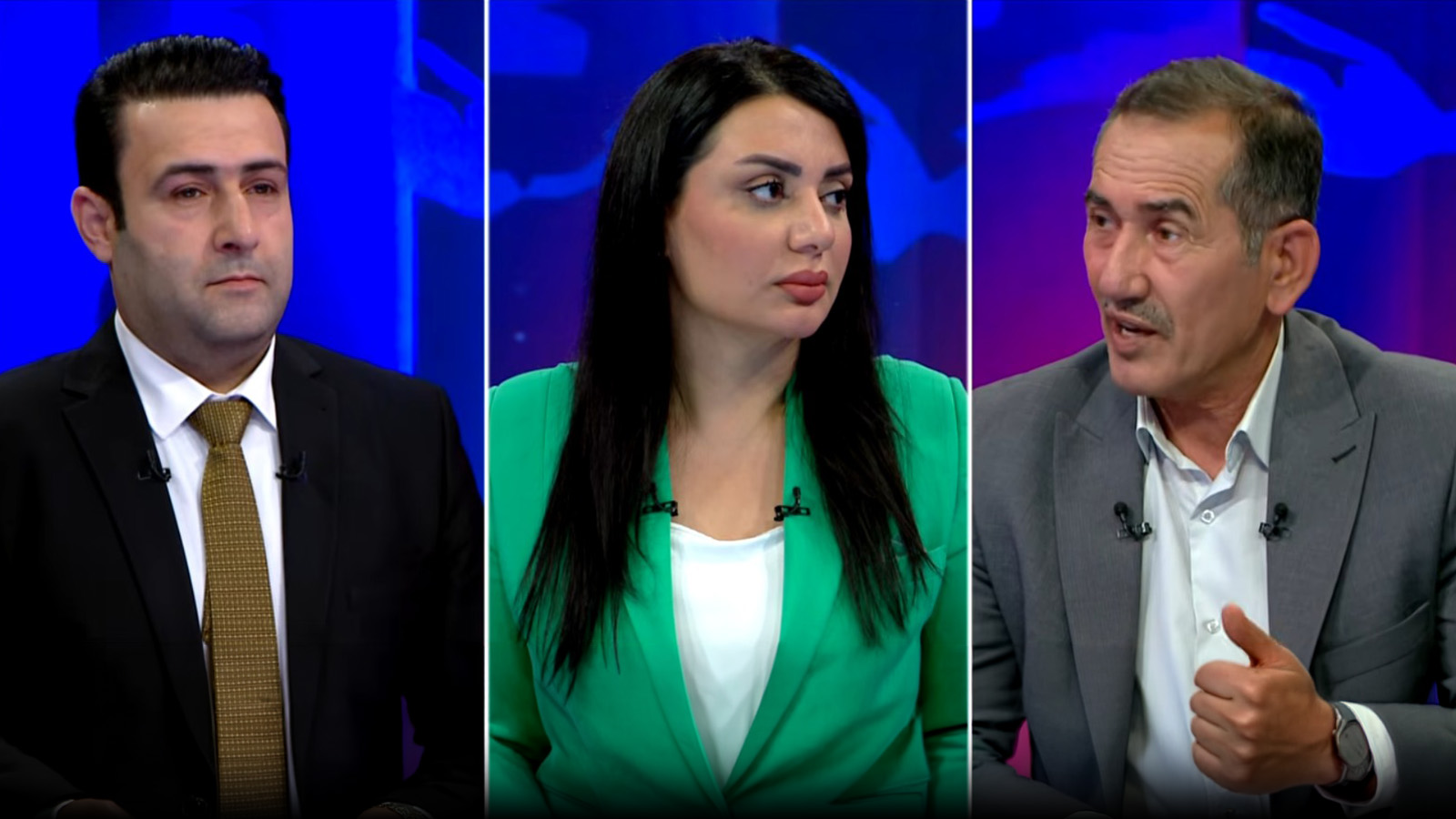
Speaking on Kurdistan24 during the program "Basi Roj," hosted by Zhino Mohammed on Thursday, Yusuf Karim, Head of the Erbil branch of labor unions, and Ardalan Gezneiy, Head of Labor Inspection at the General Directorate of Labor and Social Security, detailed the systemic challenges and institutional responses shaping the regional labor market.
The extensive dialogue underscored a critical transitional period for labor policy in the Kurdistan Region, reflecting broader efforts to formalize an unorganized workforce and digitize legacy bureaucratic systems.
Key themes of the discussion centered on the socioeconomic pressures impacting workers, including inflation and regional instability, alongside ongoing government initiatives to expand social security coverage and enforce compliance among employers.
While labor representatives highlighted the immediate financial vulnerabilities and legal hurdles faced by the working class, regulatory officials emphasized recent statistical milestones, pointing to significant increases in registered workers and systemic overhauls aimed at expediting dispute resolution.
Both perspectives converged on the necessity of increasing legal awareness among workers and employers to prevent exploitation and ensure access to statutory benefits.
The policy relevance for the Kurdistan Region is stark, as institutional frameworks established under older national statutes, such as Law No. 71 of 1987, are being tested against modern economic realities and local legislative amendments.
The resulting discourse revealed a complex environment where government modernization efforts run parallel to persistent demands for market stabilization, specialized labor courts, and structural alignment between educational institutions and labor market demands.
Labor Union Perspective on Worker Conditions and Priorities
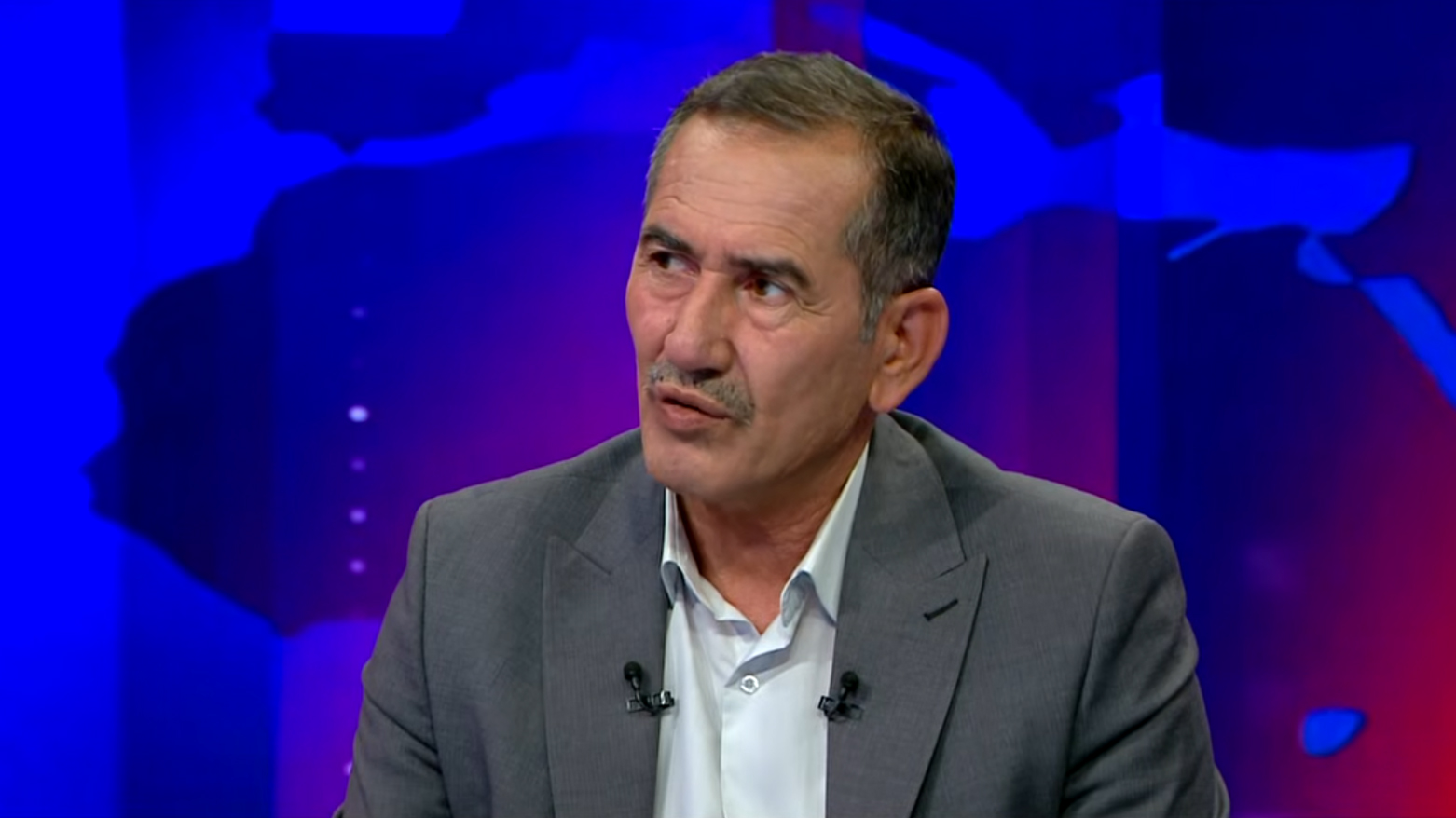
Representing the labor syndicates, Yusuf Karim offered a critical assessment of the immediate realities facing the regional workforce.
Providing a historical anchor, he noted that World Workers' Day marks 140 years since the foundational labor uprisings in Chicago, utilizing the anniversary to underscore the ongoing struggle for statutory protections in the local context.
Assessing the current economic environment, Karim explicitly stated that for workers in the Kurdistan Region, "the situation is not good."
Karim attributed this precarity to a confluence of macroeconomic and political factors, including regional conflict, persistent market inflation, and a contraction in available job opportunities.
He also pointed to intergovernmental fiscal disputes, noting that delays in financial entitlements from the federal government in Baghdad directly undermine the local labor market.
"Any political or economic event in the region affects the worker first," Karim stated, speaking on Kurdistan24.
Despite this challenging baseline, Karim acknowledged recent administrative interventions aimed at establishing an economic floor for the working class.
He cited a decree issued by the Prime Minister on August 3, 2025, which established a minimum wage of 450,000 Iraqi Dinars for unskilled workers, describing the regulatory intervention as a positive step.
However, Karim emphasized that systemic legislative progress remains stalled.
A comprehensive draft law addressing labor conditions has passed its first and second readings but remains unratified due to the current suspension of the regional parliament.
Furthermore, Karim argued that nominal wage increases are insufficient without broader macroeconomic oversight.
When discussing proposed increases to the minimum wage, he asserted that "controlling the market solves it," arguing that unchecked inflation rapidly eroding purchasing power renders wage hikes ineffective. Karim advocated for stringent market controls to ensure the baseline 450,000 Iraqi Dinar wage remains sufficient for basic living standards.
The labor union also outlined specific structural demands aimed at long-term worker security.
Karim proposed that the 1,007 workers currently receiving pensions after 20 years of social security contributions should receive land grants, mirroring benefits provided to public sector civil servants.
Additionally, to combat systemic lack of awareness, Karim suggested highly visible public policy shifts, such as renaming a government financial institution to the "Worker Pension Bank," to organically prompt inquiries and build institutional trust among the working class.
Government and Regulatory Enforcement of Labor Laws
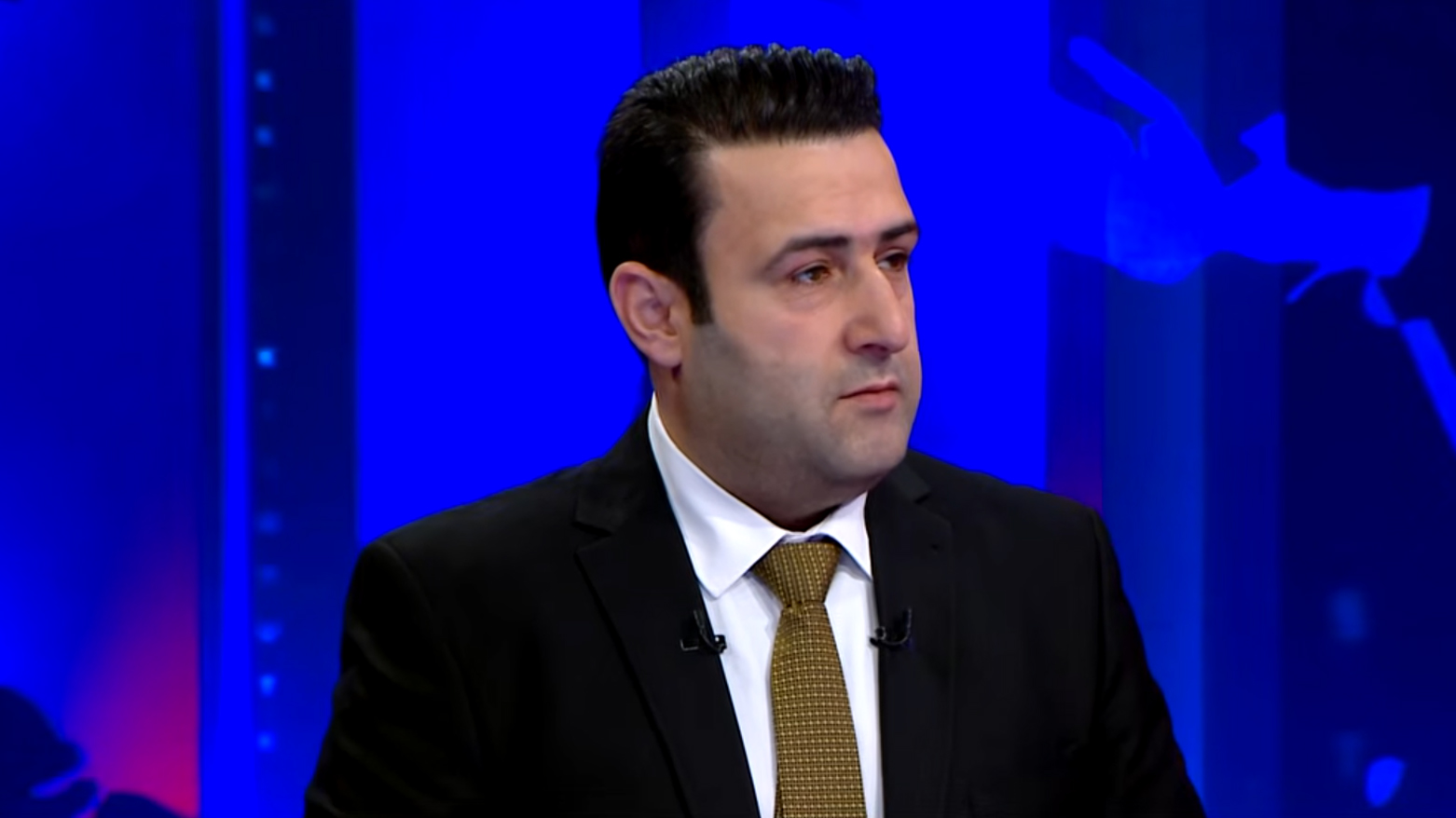
Detailing the governmental framework, Ardalan Gezneiy outlined the strict legal definitions and ongoing enforcement mechanisms overseen by the General Directorate of Labor and Social Security.
Gezneiy explained that under Law No. 71 of 1987 (Amended), a worker is legally defined as an individual performing specific tasks under an employer's supervision in exchange for a designated wage.
However, he acknowledged the persistent challenge of the "informal or unorganized sector," comprising daily wage earners and street-level laborers operating without official permits or fixed employers.
To address this regulatory gap, Gezneiy detailed institutional actions taken under Law No. 4 of 2012, which amended older social security statutes.
He confirmed that a specialized committee, headed by the Director General of Labor and Social Security, has been established under the mandate of the Council of Ministers to integrate informal workers into the formal social security apparatus.
"Like any other worker, they have the right to a pension," Gezneiy stated, enumerating additional rights to end-of-service bonuses and workplace injury compensation.
Gezneiy emphasized that the Ninth Cabinet has prioritized the labor sector, leading to the deployment of nearly 30 specialized inspectors. This institutional focus has yielded significant statistical growth in formal labor registration.
According to Gezneiy, prior to 2019, fewer than 80,000 workers were registered in the Kurdistan Region. Currently, the directorate oversees approximately 305,000 registered files, with 205,000 representing active, ongoing service.
Gezneiy asserted that "workers have now developed very good trust in our departments," attributing this to rigorous follow-ups on labor disputes.
A core component of the government's regulatory strategy is the digitalization of labor records.
Addressing the bureaucratic bottleneck of managing 67,000 registered projects and over 300,000 manual files, Gezneiy confirmed that approximately 100,000 worker profiles have been successfully migrated to an electronic system.
This digitalization introduces a Unique Personnel Number (UPN) for each worker, allowing individuals to independently verify their service history, registered salary, and accrued benefits.
To expedite dispute resolution, the directorate operates a dedicated hotline (5005). Gezneiy reported that in 2025, the hotline received 1,600 calls, resulting in the successful resolution of over 1,000 cases within a newly mandated 15-day maximum processing window.
He also highlighted the severe financial penalties for employer non-compliance, warning that under Article 96 of the Social Security Law, workers can retroactively claim up to a decade of unpaid benefits, with the owed amount multiplied by five, a penalty Gezneiy noted could induce corporate bankruptcy.
Points of Institutional Convergence and Divergence
Throughout the Kurdistan24 broadcast, the dialogue between the labor union and the government regulatory body revealed distinct areas of operational alignment, alongside differing institutional philosophies regarding the current status of the labor market.
Both Karim and Gezneiy demonstrated complete convergence on the critical necessity of expanding social security enrollment and enforcing employer compliance.
Both officials confirmed their active, joint participation in targeted inspection committees.
When workers file complaints through the union's nine sub-branches in Erbil, Karim noted that the union immediately coordinates with Gezneiy's directorate to verify the worker's registration status and inspect the workplace for safety violations.
Furthermore, both sides expressed mutual concern over the prevailing lack of legal awareness among the workforce.
Karim noted that workers with years of tenure frequently arrive at union offices entirely unaware of whether their employer has registered them. Gezneiy corroborated this operational hurdle, stating that a lack of legal awareness among both workers and project managers continues to hinder the total formalization of the sector.
However, perspectives diverged sharply regarding the fundamental assessment of the regional labor environment.
Karim maintained a focus on the vulnerability of the workforce, framing the current situation as detrimental due to external economic shocks and the high volume of tragic, unresolved disputes brought to union offices.
Conversely, Gezneiy adopted a highly institutional perspective, framing external shocks, such as wars impacting the regional tourism and trade sectors, as temporary disruptions rather than permanent systemic failures.
Gezneiy emphasized the government's successful intervention to block multiple corporate requests to implement mass layoffs during these downturns.
Another significant point of convergence centered on the structural limitations of the regional judiciary. Karim criticized the severe bottleneck in dispute resolution, pointing out that Erbil, a major metropolitan center, operates with only a single Labor Court and one judge.
Gezneiy explicitly agreed with this assessment, confirming the existence of the bottleneck and noting that executive branch officials had recently convened broad, unprecedented discussions with the Judicial Council of the Kurdistan Region to address procedural discrepancies and expand judicial capacity for labor disputes.
Broader Labor Context and Future Frameworks
The interview further delineated several long-term policy initiatives and institutional gaps within the broader labor framework of the Kurdistan Region. One major area of ongoing development is the management of occupational health and workplace injuries.
Gezneiy acknowledged that the specific branch of social security dedicated to "work injury" and occupational disease remains currently inactive.
To rectify this, he revealed that the government is exploring the deployment of capital from the Social Security Fund, which currently holds nearly 1.5 trillion Iraqi Dinars.
The proposed initiative involves either coordinating with private healthcare providers for subsidized care or directly funding the construction of a specialized hospital explicitly for the working class.
The discussion also highlighted the necessity of aligning labor regulations with educational institutions. Karim raised the issue of young university graduates entering the workforce without applicable vocational skills, advocating for legal frameworks that permit flexible working hours to allow students to gain concurrent professional experience.
Gezneiy confirmed that institutional coordination is underway via Career Development Centers (CDC) at regional universities, notably Salahaddin University, which has recently integrated labor awareness directly into its academic curriculum.
Looking toward future regulatory architecture, Gezneiy disclosed that the General Directorate of Labor and Social Security has finalized a comprehensive, five-year strategic plan.
Drafted over a rigorous 48-hour session, this framework encompasses dozens of operational proposals, mandatory awareness campaigns, and the establishment of an annual conference dedicated exclusively to social security enforcement.
Finally, while both representatives recognized the necessity of continued modernization, Karim strongly advocated for the regional implementation of the federal Pension and Social Security Law (Law No. 18 of 2023) recently passed in Baghdad, arguing that its adoption in the Kurdistan Region would significantly advance the statutory interests of the local workforce.
The Basi Roj broadcast concluded with commitments from both union and government officials to continue expanding worker protections and statutory awareness across the Kurdistan Region.