Strict Iranian Internet Blackout Inflicts Heavy Damage on the Digital Economy
The scope of the disruption is vast, impacting tens of millions of Iranians.

ERBIL (Kurdistan24) - Iran has enforced one of the longest and most rigid internet blackouts globally, disrupting the nation's digital economy and severely impacting local businesses.
According to reporting by The Associated Press (AP) on Friday, the prolonged nationwide shutdown, which has lasted for several months, is inflicting substantial economic damage on an economy already strained by sanctions and previous crises.
The scope of the disruption is vast, impacting tens of millions of Iranians.
As detailed by Associated Press journalists Nasser Karimi, Mehdi Fattahi, and Amir-Hussein Radjy, the government cut off access to the global internet following mass protests in January and imposed a complete blackout in late February.
While the authorities have characterized the measure as a wartime necessity, the blackout has dismantled the online platforms that small businesses, retailers, and independent workers relied upon for survival.
The economic consequences are profound.
AP reporting shows that the shutdown is estimated to cost the Iranian economy between $30 million and $40 million per day in direct losses, with indirect damages potentially doubling that figure.
With an estimated 10 million jobs tied to internet connectivity, the blackout is driving widespread income loss, layoffs, and a noticeable increase in informal street vending as formal digital commerce collapses.
The Scale of the Digital Disruption
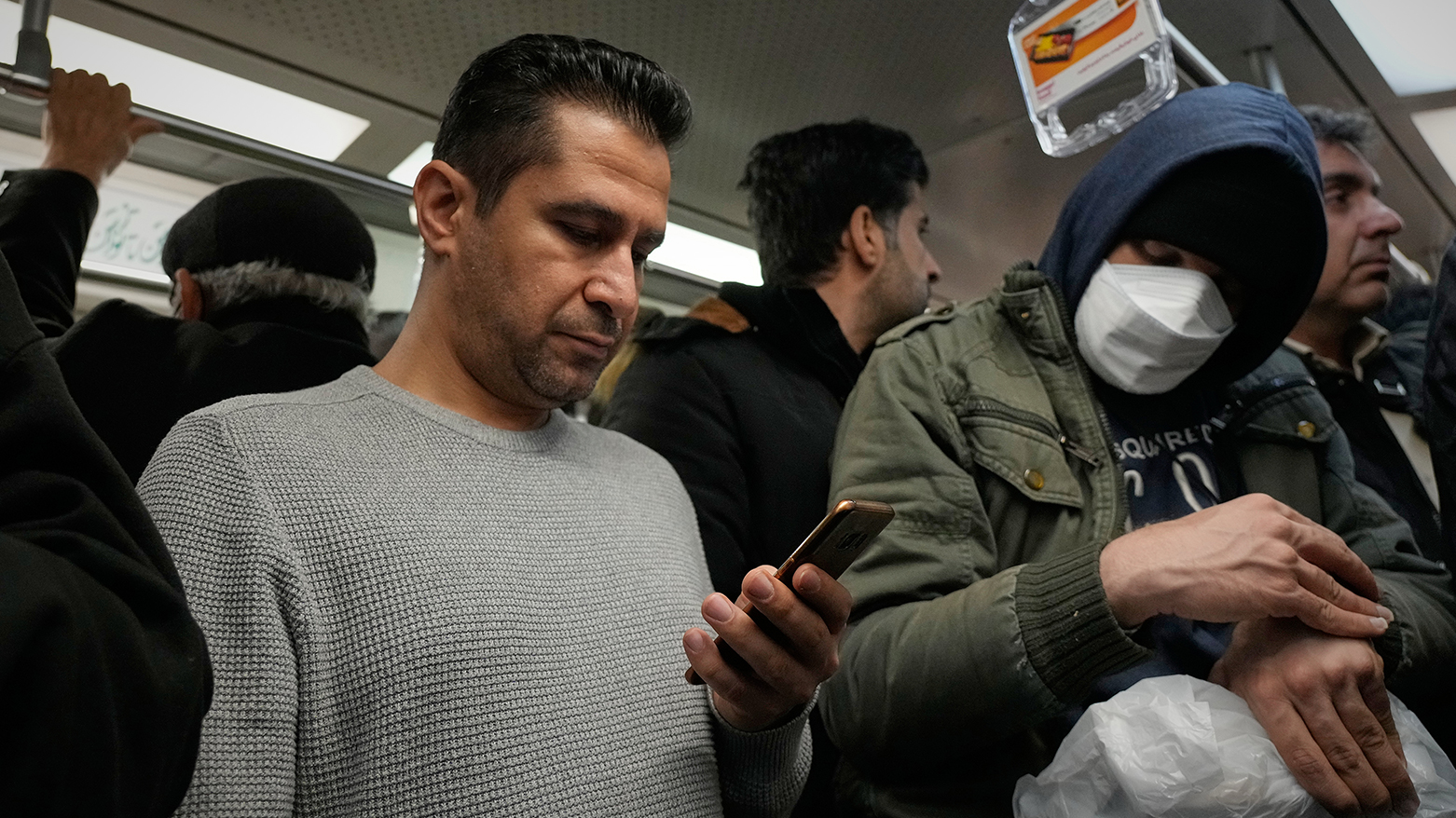
The internet blackout in Iran represents an unprecedented move in terms of both its scale and severity.
While internet restrictions have long existed in the country, the current situation goes far beyond previous filtering efforts.
According to the AP, the entire nation of 90 million people has been forced onto a heavily controlled national intranet, effectively severing their connection to the global web.
Prior to the blackout, Iranians frequently utilized platforms like Instagram and WhatsApp to reach customers and supplement their incomes amidst rising costs for basic goods.
While authorities heavily policed content, citizens regularly bypassed these restrictions using virtual private networks (VPNs).
However, as noted in reporting by the AP, the current shutdown has rendered traditional workarounds either ineffective or prohibitively expensive for the average citizen.
The government has reportedly issued less-restricted "white" SIM cards to senior officials and a select group of businesses and media organizations.
This tiered access system has drawn sharp criticism from local trade groups, who, according to the AP, argue that the outage threatens to destroy the nation's infrastructure from within.

Devastation Across Business Sectors
The impact on Iran's digital economy has been swift and severe.
The AP highlights the struggles of various sectors, from e-commerce giants to independent creatives.
DigiKala, a leading online retailer in Iran, recently announced the termination of approximately 3% of its workforce, highlighting the broad corporate impact.
Smaller enterprises have been hit even harder.
The AP detailed the experience of Amen Khademi, a Tehran-based fashion designer whose business relied almost entirely on an Instagram storefront with tens of thousands of followers.
With her primary link to customers severed, her sales have evaporated.
The shutdown has forced business owners like Khademi into a state of limbo, relying on offline preparations while searching for viable alternatives.
The disruption extends to independent contractors and influencers.
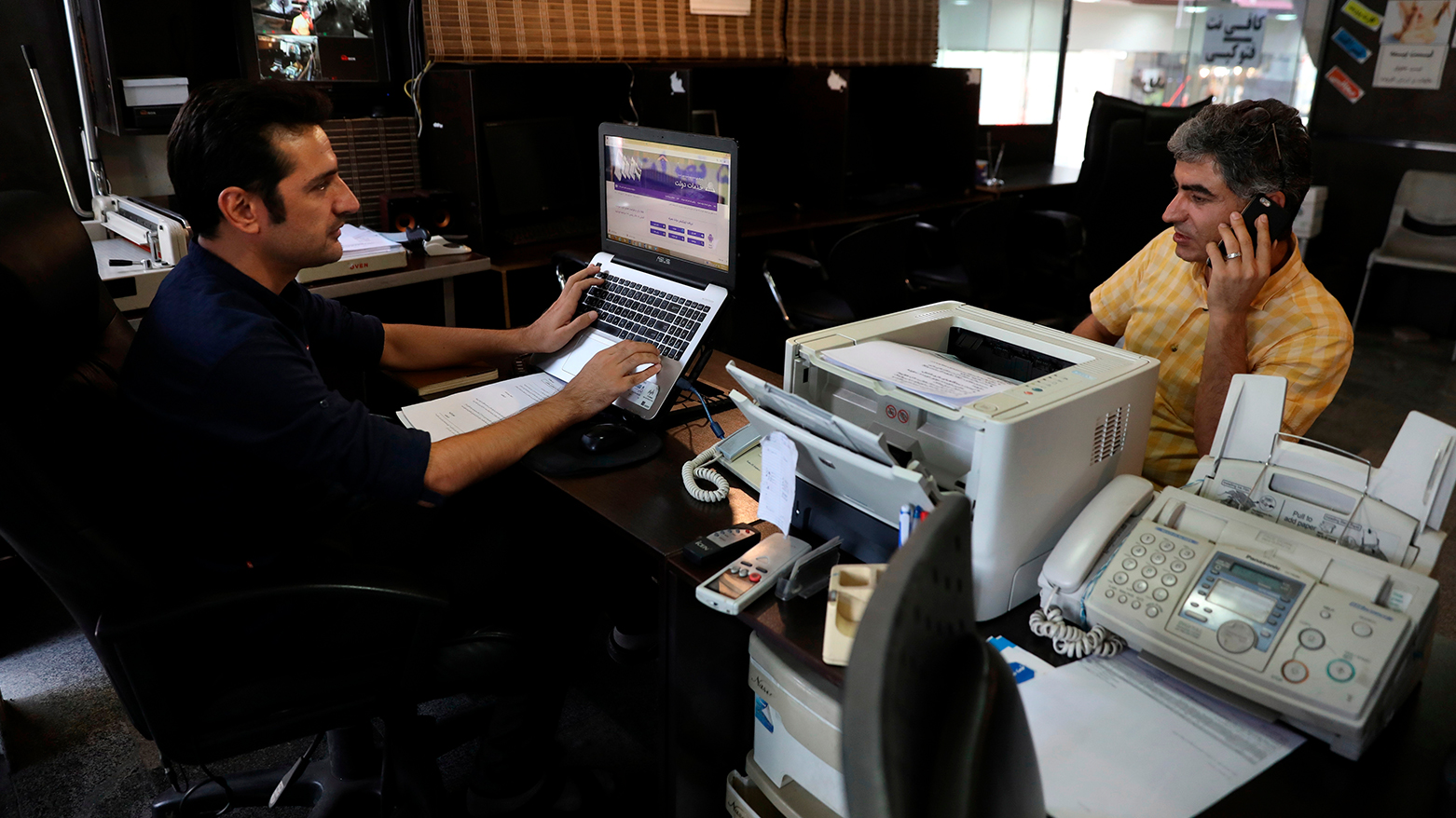
According to the AP, fitness coaches, advertising professionals, and content creators have seen their incomes plummet as sponsors withdraw funding for content that cannot be distributed on major international platforms.
A Shift to Domestic Alternatives
Faced with a complete global blackout, many Iranians have been forced to navigate the government's domestic digital infrastructure.
However, these alternatives have proven inadequate for sustaining a modern digital economy.
The AP reporting indicates that Iran's state-backed social media platforms, designed as alternatives to services like YouTube and WhatsApp, are heavily monitored and censored.
Users report that these domestic networks suffer from poor security, slow speeds, and frequent technical issues.
A gamer interviewed by the AP described the domestic network as "terrible," noting that users only engage with these platforms because no other options exist.
The lack of reliable infrastructure has effectively wiped out the remote work sector, prompting tech professionals to consider emigration as local tech firms execute mass layoffs.

Structural Economic Consequences
The collapse of the digital economy is visibly altering the economic landscape of Iranian cities.
As formal employment opportunities vanish, the AP reports a significant rise in the number of street vendors operating in Tehran.
The blackout has compounded the financial pressure on Iran's middle class, which was already struggling with a severe currency devaluation prior to the recent conflict.
Individuals who previously held jobs in the technology sector or ran successful online businesses are now turning to informal street peddling to survive.
The AP shared the account of Monireh Pishgahi, a former tailoring business owner who previously supplied multiple online shops.
The loss of internet connectivity forced her to close her business and lay off her staff; she now sells accessories on a major street in the capital.
Similarly, former tech sector employees have resorted to selling basic goods near metro stations after losing their salaries and positions.
The proliferation of street vendors has become so pronounced that local shopkeepers report they can no longer contest the crowded sidewalks.
The situation underscores the deep structural damage inflicted by the internet blackout, as the destruction of digital commerce pushes a growing segment of the population into precarious, informal labor.